The post Maximizing Online Revenue: Digital Marketing for E-Commerce first appeared on ELMNTL.
]]>Search Engine Optimization (SEO) stands as a pillar in the digital marketing strategy for e-commerce businesses. By optimizing website content for search engines, e-commerce companies can increase organic traffic, which is often comprised of high-intent users ready to make a purchase. Implementing keyword research to understand consumer search behavior, optimizing product descriptions, and ensuring a mobile-friendly, fast-loading website are all crucial steps in maximizing visibility and climbing the search engine results pages (SERPs).
Moreover, SEO is a cost-effective strategy that contributes to long-term growth. Unlike paid advertising, the benefits of SEO compound over time, leading to sustainable visibility in organic search results. Consistently creating high-quality content that addresses consumers’ needs can result in increased trust and authority in your niche — driving more traffic, enhancing user engagement, and ultimately boosting sales.
Crafting High-Converting PPC Campaigns
Pay-Per-Click (PPC) advertising is an integral component of digital marketing for e-commerce, offering the ability to target potential customers with precision and immediacy. By creating compelling ad copy and utilizing advanced targeting options, e-commerce companies can place their products in front of consumers who are most likely to convert. Google Shopping ads, in particular, can be a boon for e-commerce businesses, showcasing product images and prices directly in the search results.
Effective PPC campaigns also involve continuous optimization based on performance data. Monitoring click-through rates (CTRs), conversion rates, and cost-per-acquisition (CPA) allows marketers to make informed adjustments to bids, ad copy, and targeting strategies. This iterative process helps to maximize return on ad spend (ROAS) and ensures that e-commerce businesses are investing wisely in their digital advertising efforts.
Utilizing Social Media to Boost Brand Awareness
Social media platforms are powerful tools for e-commerce brands looking to enhance their presence and connect with their audience. Through engaging content, interactive stories, and targeted ads, businesses can foster a community around their brand and products. Platforms such as Instagram, Facebook, and Pinterest offer unique opportunities for visual storytelling and product discovery, often leading to direct sales via integrated shopping features.
In addition to organic content, paid social media campaigns can be used to increase reach and drive targeted traffic to e-commerce sites. By leveraging user data, brands can create personalized advertising experiences that resonate with their audience. Influencer partnerships can also amplify a brand’s message, leveraging the trust and engagement that influencers have built with their followers to promote products in an authentic and relatable way.
Enhancing Customer Experience with Email Marketing
Email marketing remains one of the most effective channels for engaging with customers and driving e-commerce sales. By building a list of subscribers, businesses can deliver personalized content, exclusive offers, and timely updates directly to their customers’ inboxes. Segmentation and automation tools enable e-commerce marketers to tailor their messages based on customer behavior, preferences, and purchase history, increasing the relevance and effectiveness of their campaigns.
From welcome emails that introduce new subscribers to your brand, to abandoned cart reminders that encourage customers to complete their purchases, email marketing can guide customers through each stage of the buyer’s journey. Regular newsletters can keep your brand top-of-mind, while post-purchase follow-ups can encourage repeat business and foster brand loyalty. With the right strategy, email marketing can significantly enhance the customer experience and contribute to a strong, sustained revenue stream.
Analyzing and Adapting with Analytics and Reporting
Data analytics and reporting are vital for understanding the performance of digital marketing efforts and making informed decisions. E-commerce businesses can utilize analytics tools to track website traffic, conversion rates, customer behavior, and campaign performance. By analyzing this data, marketers can identify trends, pinpoint areas for improvement, and optimize their strategies for better results.
Regular reporting allows e-commerce companies to remain agile and adapt to changes in market conditions or consumer behavior. A/B testing different elements of a marketing campaign, from email subject lines to landing page designs, can reveal insights into what resonates with customers. By continually refining their tactics based on concrete data, e-commerce businesses can ensure that their digital marketing strategies remain effective and aligned with their goals.
Next Steps
If all of this sounds a little overwhelming to you, don’t worry. We are here to help guide you and your brand into marketing success. Start your digital marketing journey with confidence with our team of experts. Get in touch with our New Business team below:
The post Maximizing Online Revenue: Digital Marketing for E-Commerce first appeared on ELMNTL.
]]>The post The Ultimate SEO Website Redesign Checklist first appeared on ELMNTL.
]]>
Before embarking on a website redesign, it’s crucial to assess your current SEO standings. Gather the following information and analyze your website’s current scenario:
- website’s traffic
- keyword rankings
- backlink profile
- Content quality
- User engagement (bounce rate, page views per sessions, average session duration)
- Website load speed
- Mobile responsiveness
Use tools like Google Analytics and Search Console to identify what’s working and pinpoint areas that need improvement. If you don’t know how to find this information, no worries. Our team is here to help. You can request a free SEO Audit here!
Understanding your website’s SEO performance sets a benchmark for comparison after the redesign.
Planning for SEO from the Ground Up
A successful SEO strategy always begins with planning. Here are a few bullet points to help you get started:
- Ensure your website’s structure is intuitive and reflects the user’s search intent.
- Create an SEO roadmap
- Do a keyword research
- Create a site hierarchy and metadata strategy.
Align these elements with your business goals and user needs to ensure that the new design is not only visually appealing but also optimized for search engines.
On the technical side, it is important to check on schema markup, canonical tags, and XML sitemaps. These elements help search engines understand and index your website more effectively. Additionally, plan for mobile-first design since Google predominantly uses the mobile version of the content for indexing and ranking.
Ensuring Seamless URL Migrations
During a redesign, URL structure often changes, which can significantly affect SEO if not handled correctly. Develop a URL migration plan to ensure that all old URLs are properly redirected to the new ones using 301 redirects. This preserves link equity and prevents 404 errors, which can harm your SEO performance.
Map out all existing URLs and determine the corresponding new URLs. Use a redirection plugin or modify your .htaccess file if you’re comfortable with code. Remember to update your internal links to point to the new URLs to maintain a good site structure. Post-launch, regularly check for crawl errors in Google Search Console to fix any broken links promptly.
Optimizing Content and Structure for SEO
Content is the cornerstone of SEO. As part of your redesign, review your website’s content and identify opportunities to optimize your content for relevance, quality, and keyword optimization. Here are a few areas to get you started:
- Ensure your headings, titles, and meta descriptions incorporate targeted keywords and accurately reflect the page content.
- Use breadcrumb navigation and logical URL hierarchy. Structurally, your website should facilitate easy navigation for both users and search engine crawlers.
- Optimize images with descriptive ALT tags and compress them for faster loading times.
- Ensure that your website is ADA-compliant to enhance usability for all visitors.
Testing and Monitoring Post-Launch SEO Impact
After launching your redesigned website, it’s imperative to monitor its SEO performance closely. Track the same metrics you assessed before the redesign and compare them to understand the impact of the changes. Look for improvements in rankings, organic traffic, and user engagement.
Utilize A/B testing for different elements such as page layouts, call-to-action buttons, and meta tags to find what works best for your audience. Continuously analyze and refine your SEO strategy based on data-driven insights. Regularly update your content and stay informed about the latest SEO trends and algorithm updates to maintain and improve your search engine rankings over time.
Looking for SEO Experts?
At ELMNTL, we specialize in transforming your website to achieve optimal SEO, Paid Ads, and technical performance. Ready to elevate your online presence with a redesign? Start with a FREE SEO Audit from our expert team. Our SEO specialists are eager to connect with you and strategize the perfect roadmap to your digital success.
The post The Ultimate SEO Website Redesign Checklist first appeared on ELMNTL.
]]>The post The Ultimate Guide to Building a Strong Brand Identity first appeared on ELMNTL.
]]>
In this blog post, we’ll explore the crucial steps and strategies involved in creating a unique brand identity that resonates with your audience, drives engagement, and fosters loyalty. From understanding your target audience to ensuring consistency across all platforms, we’ll guide you through the process of building a brand that leaves a lasting impression.
Understanding Your Target Audience
Who Are They?
The foundation of any successful brand identity lies in a deep understanding of your target audience. Start by researching and analyzing their demographics, preferences, and behaviors. Are they young professionals, busy parents, or tech-savvy teenagers? Knowing who your audience is will help you tailor your brand to meet their specific needs and desires.
What Are Their Interests?
Delve into the interests and hobbies of your target audience. What do they enjoy doing in their free time? What kind of content do they consume? By aligning your brand with their interests, you can create a more relatable and engaging identity that captures their attention.
What Problems Do They Face?
Identifying the challenges and pain points your audience faces is key to positioning your brand as a solution provider. Whether it’s a lack of convenient meal options or the need for eco-friendly products, understanding these problems allows you to address them directly through your brand messaging and offerings.
How Can Your Brand Address Their Needs?
Once you have a clear picture of who your audience is and what they need, think about how your brand can fulfill those needs. Develop a value proposition that highlights the benefits and solutions your brand offers, ensuring it aligns with the desires and expectations of your audience.
Defining Your Brand Values and Personality
Establishing Brand Values
Your brand values represent the core principles and beliefs that guide your business decisions and actions. Consider what matters most to your brand. Do you prioritize innovation, sustainability, or exceptional customer service? Clearly defined values will help you create a brand identity that is authentic and meaningful.
Crafting a Brand Personality
Your brand personality humanizes your business, making it more relatable and approachable to your audience. Is your brand playful and fun, professional and authoritative, or warm and friendly? Choose a personality that reflects your values and resonates with your target audience, creating an emotional connection that fosters loyalty.
Designing Your Visual Brand Identity
Logo Design
A memorable logo is a cornerstone of your visual brand identity. It should be simple, versatile, and representative of your brand’s essence. Think about iconic logos like Apple’s apple or Nike’s swoosh—these designs are instantly recognizable and convey the brand’s identity in a powerful way.
Color Palette
Colors evoke emotions and can significantly influence how your brand is perceived. Choose a color palette that aligns with your brand values and personality. For example, McDonald’s uses red and yellow to evoke feelings of excitement and warmth, while also stimulating appetite.
Typography
Fonts play a crucial role in conveying your brand’s personality. Whether you opt for a sleek, modern typeface or a more traditional serif font, ensure it is readable and consistent across all platforms. Your typography should complement your overall visual identity and enhance brand recognition.
Imagery
The images you use in your branding should reflect your brand values and resonate with your audience. Whether it’s high-quality product photos, lifestyle imagery, or illustrative graphics, choose visuals that tell your brand’s story and create a cohesive look and feel.
Example:
A well-known example is McDonald’s. As a fast food restaurant, McDonald’s purposely chose red and yellow to lead their brand identity.

Not only are they warm colors that evoke “passion” and “warmth”, but the colors are also psychologically known to stimulate the appetite and increase blood circulation/heart rate. All of these characteristics were chosen to evoke the desired emotions on the fast food consumer.
Creating Consistency Across All Platforms
Visual Consistency
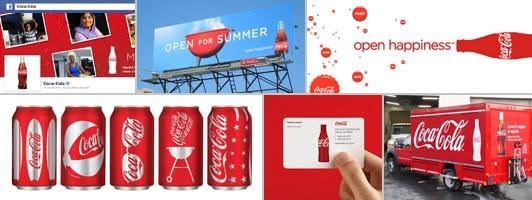
Ensure that your brand’s visual elements are consistent across all touch points, from your website and social media profiles to your marketing materials and packaging. This consistency helps build trust and familiarity with your audience.
Messaging Consistency
Your brand’s voice and tone should remain consistent in all communications. Whether you’re crafting a social media post, writing a blog, or responding to customer inquiries, your messaging should reflect your brand personality and values.
Customer Experience
Consistency also extends to the customer experience. Ensure that your customers receive the same level of service and quality every time they interact with your brand. A positive, consistent experience fosters trust and loyalty.
Brand Consistency Example: Coca-Cola
Evaluating and Evolving Your Brand Identity
Regular Assessment
Brand identity is not static; it should evolve with your business and market trends. Regularly evaluate your brand’s performance by measuring key metrics such as brand awareness, customer perception, and market share. Use surveys, focus groups, and social listening to gather feedback from your audience.
Adapting to Change
Based on the insights you gather, be prepared to adapt your brand identity to stay relevant. This might involve updating your visual identity, refining your messaging, or repositioning your brand to better meet the needs of your target audience.
Conclusion
Creating a unique brand identity is a multifaceted process that requires a deep understanding of your audience, a clear definition of your brand values and personality, a cohesive visual identity, and consistent implementation across all platforms.
By regularly evaluating and evolving your brand, you can ensure it remains relevant and continues to resonate with your audience. Start your branding journey with confidence, and let ELMNTL help you in crafting your brand’s identity.
As a trusted Full-Service Branding Agency, we are here to guide you through the next steps, ensuring you build a brand that stands out and makes a lasting impact.
So why wait? Contact us today and take the first step towards a remarkable brand identity.
The post The Ultimate Guide to Building a Strong Brand Identity first appeared on ELMNTL.
]]>The post Boosting Conversion Rates with SEO Strategies first appeared on ELMNTL.
]]>Understanding the Impact of SEO on Conversion Rates
SEO plays a crucial role in boosting conversion rates for businesses. By implementing effective SEO strategies, businesses can improve their visibility on search engine result pages (SERPs), which in turn increases the chances of attracting potential customers. When a website appears on the top positions of SERPs, it establishes credibility and trustworthiness, leading to higher conversion rates.
Moreover, SEO helps businesses understand the preferences and behavior of their target audience. By analyzing search trends and keyword data, businesses can optimize their content to align with the interests of their potential customers. This targeted approach increases the likelihood of conversions and drives qualified traffic to the website, making a SEO an essential online marketing tool for every business.
Optimizing Keywords for Targeted Traffic
One of the key aspects of SEO as a marketing strategy is optimizing keywords to attract targeted traffic. By conducting thorough keyword research, businesses can identify the specific terms and phrases that their target audience is using to search for products or services. By incorporating these keywords strategically into their content, businesses can increase their visibility in relevant search results.
Additionally, optimizing keywords helps businesses attract high-intent traffic. When users search for specific keywords related to a business’s offerings, it indicates their interest and readiness to make a purchase. By targeting these keywords, businesses can drive qualified traffic to their website and boost conversion rates.
Improving User Experience with SEO Techniques
SEO techniques not only improve a website’s visibility but also enhance the user experience. Whether you have a customer website design or are using a template, a website that is optimized for SEO loads faster, has intuitive navigation, and provides relevant and valuable content to users. These factors contribute to a positive user experience, which in turn increases the chances of conversions.
Furthermore, SEO techniques such as mobile optimization ensure that a website is easily accessible and usable on different devices. With the increasing use of smartphones and tablets, businesses need to ensure that their website is mobile-friendly to cater to the preferences of their target audience. By providing a seamless user experience across devices, businesses can drive conversions and improve their bottom line.
Leveraging Local SEO for Increased Conversions
For businesses targeting local customers, leveraging local SEO strategies is crucial. Local SEO helps businesses optimize their online presence to attract customers in their specific geographic area. By optimizing their website and online listings with location-specific keywords and information, businesses can increase their visibility in local search results.
Moreover, local SEO helps businesses build trust and credibility within their local community. When users search for products or services in their area and find a local business that appears prominently in the search results, they are more likely to trust and choose that business. This trust translates into higher conversion rates and increased revenue for businesses.
Measuring Success Through Analytics and Monitoring
To truly understand the impact of SEO on conversion rates, start measuring the success of your company’s website through analytics and monitoring. By using tools like Google Analytics, you can easily track important metrics such as website traffic, bounce rate, and conversion rate. These insights will provide valuable information on the effectiveness of your current SEO strategies and help identify areas for improvement.
Not sure how to start monitoring your website performance?
Get in touch with our team to get a FREE SEO AND WEBSITE AUDIT to start optimizing your business’s SEO efforts and continuously improve your website’s conversion rates.
The post Boosting Conversion Rates with SEO Strategies first appeared on ELMNTL.
]]>The post Building a Strong Business Identity: Going Beyond the Logo first appeared on ELMNTL.
]]>The Foundation: Defining Your Brand’s Essence
At the heart of every successful brand lies a clear understanding of its core values and mission. This is the foundation upon which all branding efforts rest. Before designing a logo or crafting marketing campaigns, take the time to define what your brand stands for.
Consider the emotions and perceptions you wish to evoke in your audience. Are you a brand known for reliability and trustworthiness? Or perhaps innovation and cutting-edge solutions are your hallmark. Whatever it may be, this essence should permeate every aspect of your brand—from the products or services you offer to the way you communicate with customers.
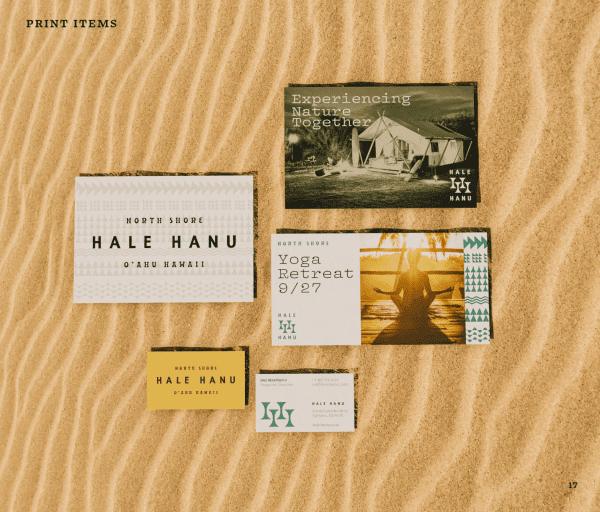
We designed a logo for Hale Hanu, a Turtle Bay Resorts brand where we were able to bring out the brand’s essence with the logo design and collaterals. In order for us to design this logo, their identity had to be established.


The Logo: A Symbol of Identity
While the logo is undeniably important, it is just a single piece of the larger branding puzzle. Think of it as the visual representation of your brand’s identity—a symbol that should instantly evoke recognition and association.
When designing your logo, ensure it aligns with your brand’s values and appeals to your target audience. From the choice of colors to the typography, each element should convey the essence of your brand. Remember, a well-designed logo can communicate volumes about your business before a single word is spoken.
Take the Apple logo for example – it is a globally recognizable logo, whether someone uses Apple products or not. It has a clean, simple design, and its uniqueness lies in the fact that the image isn’t directly related to technology.

Crafting a Compelling Brand Story
Behind every successful brand lies a compelling story- one that resonates with its audience and establishes an emotional connection. Your brand story should articulate the journey, values, and aspirations that set your business apart.
Share anecdotes of inspiration, the challenges overcome, and the driving force behind your brand’s existence. This narrative humanizes your brand, making it relatable and memorable. A well-crafted brand story not only engages customers but also creates brand advocates who are eager to share your tale.
Canva.com is one of our favorite examples.
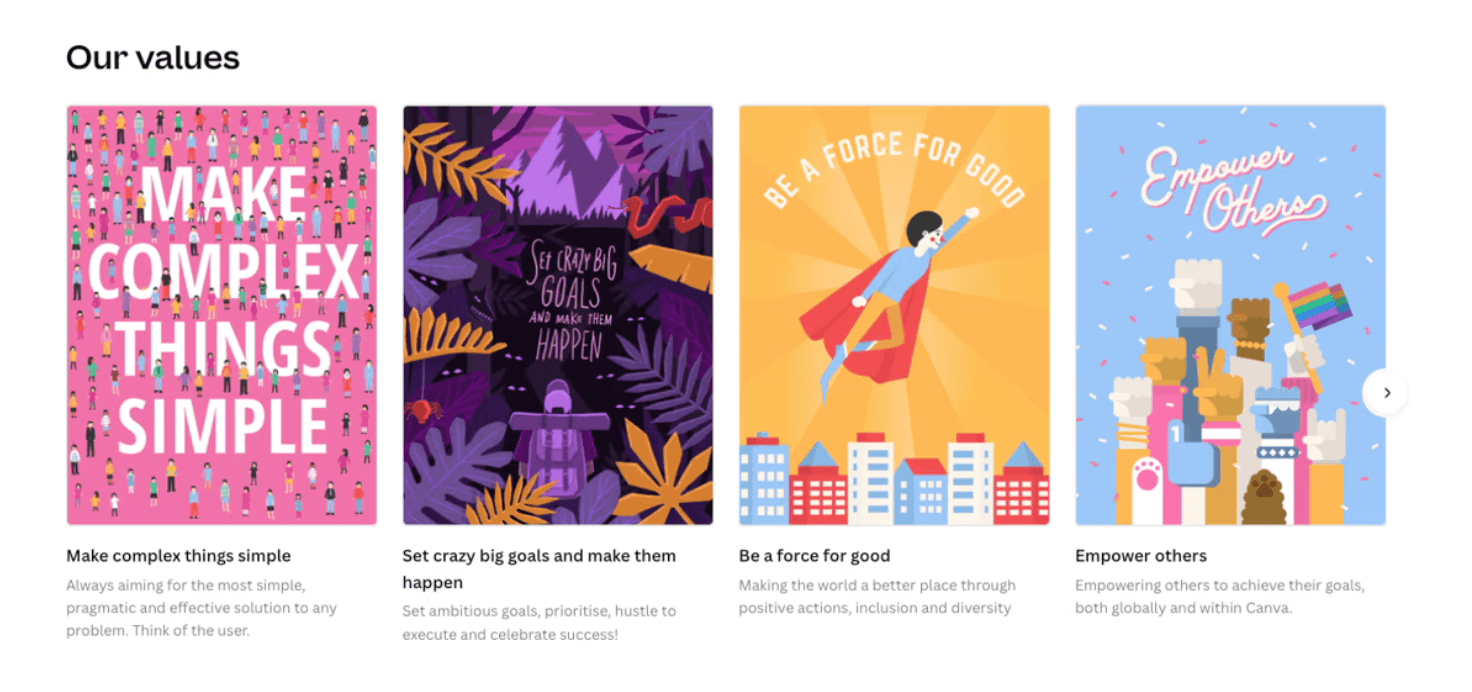
Their product goal is to make graphic design accessible to everyone- not just graphic design professionals. They dumb down the design complexity (“Make Complex Things Simple”) and tell a “You can do it!” narrative that empowers people to achieve both their design and personal goals.
Differentiation in a Crowded Market
In a world brimming with competitors vying for attention, differentiation is key to standing out. Identify what sets your brand apart from the rest and leverage it as a unique selling proposition.
Whether it’s superior quality, unrivaled customer service, or a niche market focus, highlight your strengths. Emphasize what makes your brand special, and communicate this distinctiveness consistently across all channels. In a sea of options, be the beacon that guides customers to choose you.
The Role of a Marketing Agency
Crafting a cohesive and impactful brand identity requires expertise and a keen understanding of marketing. This is where a reputable marketing agency can be an invaluable partner for your business. Agencies specializing in branding bring a wealth of knowledge in consumer behavior, market trends, and creative strategy.
By collaborating with a marketing agency, businesses can benefit from tailored brand strategies, expertly crafted messaging, and innovative design solutions. From conducting market research to developing comprehensive branding campaigns, an agency can guide businesses on the path to establishing a strong and enduring brand identity.
Why Hire an Agency?
The decision to hire a marketing agency boils down to one simple truth: expertise. While business owners may possess a deep understanding of their products or services, navigating the complexities of branding requires a specialized skill set. A marketing agency brings a fresh perspective, industry insights, and the creative firepower needed to elevate your brand above the competition.
Furthermore, outsourcing branding efforts to an agency allows businesses to focus on their core operations. With professionals at the helm of your branding initiatives, you can rest assured that every aspect—from logo design to brand messaging—is expertly handled. In a fast-paced and competitive business landscape, investing in a marketing agency can be the difference between blending in and standing out.
Conclusion: The Power of Brand Identity
In conclusion, building a strong business identity extends far beyond the creation of a logo. It is a strategic endeavor that encompasses the essence of your brand, the consistency of your messaging, and the emotional connection with your audience.
By defining your brand’s values, crafting a compelling story, and delivering exceptional customer experiences, you lay the groundwork for enduring success. Remember, your brand is not merely what you say it is—it is what your customers perceive and believe.
As you navigate the ever-changing landscape of business, let ELMNTL assist you in finding your brand’s voice, and crafting your brand’s identity. With clarity of purpose and consistency of expression, your brand will form a unique identity that is instantly recognizable to your customers.
Contact us today for a branding quote or a quick chat on your branding needs!
The post Building a Strong Business Identity: Going Beyond the Logo first appeared on ELMNTL.
]]>The post Maximizing Your Google Ad Conversions with a Well-Designed Website first appeared on ELMNTL.
]]>Enhances the User Experience
When visitors land on your website, they should find it easy to navigate and visually appealing. A well-organized layout, clear call-to-action buttons, and engaging content can significantly improve user engagement and encourage visitors to explore more pages on your site.
When it comes to Google Ad conversions, user experience is a critical factor. A well-designed website that provides a seamless browsing experience is more likely to convert visitors into customers. Google Ad campaigns that direct traffic to a well-designed landing page are more likely to see higher conversion rates compared to those that lead to poorly designed or confusing websites.
Curious about what makes a website visually engaging and simple to navigate? Take a look at our client’s upgraded site: https://www.thecinziaspa.com/. We overhauled their website and launched it in January 2024. Since then, we have seen the following increases in paid traffic from their Google Ads:
- Conversions: +122.58%
- Engaged sessions: +46.64%
- Events per session: +35.3%
- Engagement rate: +18.08%.
Data as of 03.20.24 Google Analytics 4.
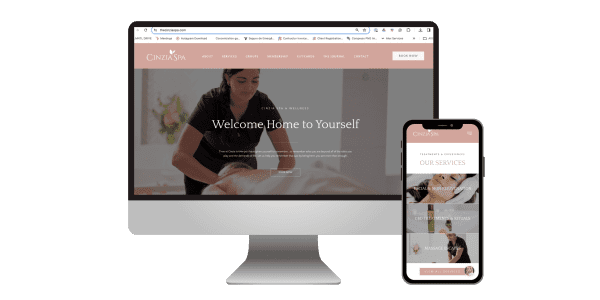
ELMNTL client Cinza Spa https://www.thecinziaspa.com/
Maximizes ROI in Ad spend
A well-designed website seamlessly integrates with your Google Ads campaigns, ensuring a cohesive user experience from ad clicks all the way to your most important conversions. Landing pages optimized for specific ad campaigns, with relevant content and a clear call-to-action, can significantly increase conversion rates and maximize the return on your advertising investment.
Increases Trust and Builds Credibility with Your Audience
A professionally designed website conveys the message that you are a reputable business that cares about its online presence. This can lead to higher conversion rates as visitors are more likely to trust and purchase from a business that presents itself professionally online.
In addition to improving your Google ad conversions, a custom website design with regular and fresh content updates can also maximize your SEO. Providing visitors with valuable and relevant content keeps them engaged with your business and encourages them to return to your site for future purchases.
Helps you Stand Out from the Cluster of Competitors
Investing in custom website design helps you stand out from the competition. A unique and visually appealing website can capture the attention of your target audience and differentiate your brand from others in the market. This can result in higher click-through rates on your Google Ad campaigns, ultimately leading to more conversions.
Thoughts for success:
- When was the last time your website had a major overhaul and redesign? If it’s about 3 – 5 years old, it might need some design and development optimizations.
- Are you wondering why the conversions from your Google Ads are not performing? Check where your users are landing and how they reach your major conversion buttons.
- Don’t leave your website’s performance to chance- navigate the digital realm with unwavering confidence. Request a free website audit from us today.
The post Maximizing Your Google Ad Conversions with a Well-Designed Website first appeared on ELMNTL.
]]>The post Building Audiences for Destination Marketing first appeared on ELMNTL.
]]>Destination marketing lets travelers know what they can expect when they visit your location, but for it to work, you need an audience. So, how do you build an audience for your destination that will translate to an increase in visitors? Here are a few ways that you can attract new audiences and generate a genuine interest in your location.
Define Your Target Audience
The first step to building an audience for your destination is to understand who your ideal visitor is. Whether it’s a specific age group like Gen Z, people with a specific income level, or even a specific type of sports enthusiast like surfers or hikers, you need to clearly define who your target audience is before you can attract them.
Create Compelling Content
Once you have defined your target audience, it’s time to woo them with high-quality content that showcases your location’s unique attributes. Do you have ski resorts? Museums? Historic landmarks? Be sure to feature these locations in your content.
Content can include everything from videos, photos, articles, and user-generated content (UGC).
ELMNTL client The Tourism Authority of Thailand (TAT) has something for everyone. With historic temples, stunning beaches, and lush rainforests, Thailand has no shortage of material for compelling content. Our strategy for TAT includes a mix of stunning photos, informative captions, blogs, influencer content, and even executing an epic annual festival!
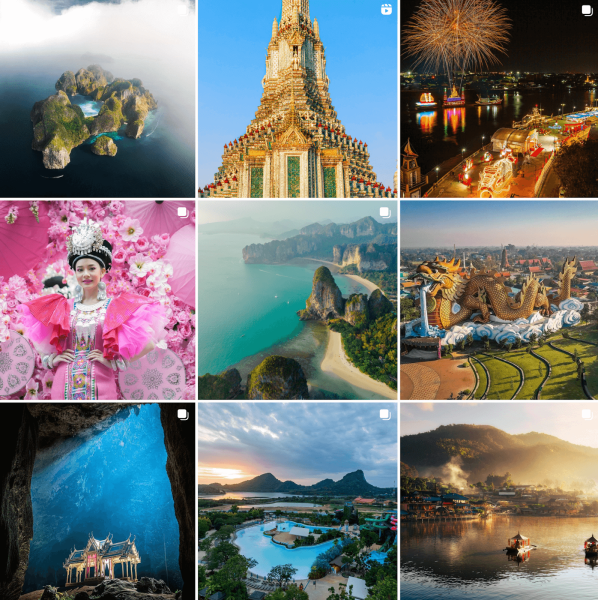
Optimize For Search Engines (SEO)
You want people to find your website, so be sure that both your website and its content are optimized for relevant keywords related to your destination. This will help you rank higher in search engine results and boost your visibility.
Utilize Social Media
With an estimated 4.9 billion people worldwide using social media in 2023, social media itself has become a keen marketing tool that every destination should have in their marketing toolbox.
Social media can be used to engage with travelers on sites like TikTok, Instagram, and Facebook. You can share photos, UGC, and useful captions that talk about the unique attributes of your location and educate would-be visitors about your location.
ELMNTL client the Association of Southeast Asian Nations (ASEAN) uses social media to showcase highlights of their ten member nations. Their strategy includes sharing UGC, social media posts, and interacting with followers through post comments and direct messages. They even host weekly “Trivia Tuesday” and “Would You Rather?” posts to have a little fun and interact with their Instagram followers.

Collaborate With Influencers
Partnering up with influencers or travel bloggers in the demographic of your target audience is another way to attract new followers. Invite influencers to experience your destination and share their experiences with their followers, and then share their content with yours!
Leverage Email Marketing
Develop a list of email subscribers interested in your destination. Send regular newsletters with updates, special offers, and insider tips to help encourage your readers to stay engaged and make return visits to your destination.
Host Events and Promotions
Organize special events, promotions, and contests to create a buzz and attract more visitors to your destination. These can include everything from festivals to giveaways to photo contests to exclusive discounts.
Each year, ELMNTL client TAT hosts the Amazing Thailand Festival, a weekend-long celebration of all things Thai Culture in the heart of NYC. In 2023, the Amazing Thai Festival was held at The Oculus in Manhattan. The festival featured Thai restaurants, traditional dance demonstrations, Muay Thai demonstrations, and a variety of vendors selling authentic Thai goods. The event was open to the public and shared a bit of Thai culture with patrons looking to learn more about the Land of Smiles.
Encourage User-Generated Content (UGC)
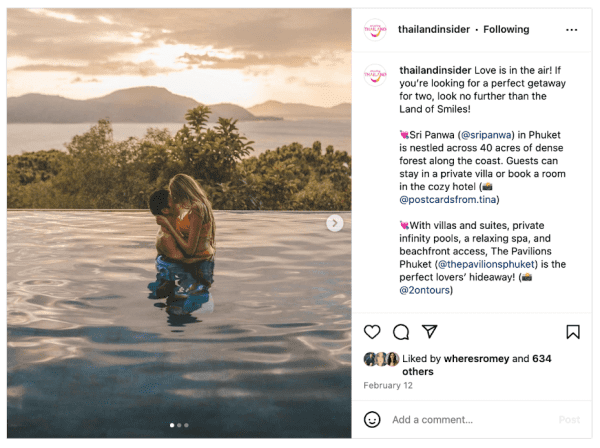
Encourage people who visit your destination to share their experiences on social media with branded hashtags. Repost their content on your own channels, and engage with the author and your followers to help foster a sense of community and authenticity surrounding your destination.
Run Targeted Advertising Campaigns
Paid advertising is an absolute must, but be sure to utilize advertising on a variety of platforms like Google Ads, Facebook Ads, and Instagram Ads. You can set targeting parameters like demographics, interests, and even online behaviors.
Partner With Local Businesses and Organizations
Collaborate with local hotels, restaurants, tour operators, and attractions to help cross-promote each other and entice would-be visitors to your destination. This will help expand your reach and provide added value to your visitors.
Engage With Travel Communities
To get some word-of-mouth exposure, participate in online travel forums, groups, or communities where travelers discuss destinations. Provide helpful information, answer user questions, and showcase what makes your destination special and unique.
Monitor and Analyze Your Performance
To be sure your destination marketing is effective, you’ll need to track the performance of your marketing. This includes monitoring your website traffic, your social media engagement, and other key metrics to better understand what strategies are working best for your marketing campaign. Then you can adjust your approach if and when needed so you’re always getting the most out of your campaign.
But don’t let the analysis of your campaign overwhelm you. At ELMNTL, our team of marketing experts can help you by not just running your destination marketing campaigns, but also by monitoring and analyzing the results of those campaigns and making necessary adjustments.
Remember, by implementing these strategies consistently and making adjustments as the market -and your audience- changes, you can effectively grow and engage a loyal audience for your destination marketing campaigns.
Ready to propel your destination forward? Contact us today! Let’s show travelers what they’re missing.
The post Building Audiences for Destination Marketing first appeared on ELMNTL.
]]>The post How Film and TV Productions Drive Tourism in Thailand first appeared on ELMNTL.
]]>This article delves into the captivating connection between the film industry’s love for Thailand and how they inspire travelers to visit the Land of Smiles. We’ll share our thoughts on how productions like “HBO’s The White Lotus,” “The Hangover 2,” and “Mortal Kombat” have not only caught the attention of millions of movie-goers but also act as compelling travel ambassadors, enticing adventurers to explore the real-world wonders depicted in these cinematic masterpieces.
The White Lotus Phenomenon

As news broke that HBO’s The White Lotus will be filming season 3 in Thailand, surprisingly, mostly everyone in the travel industry. As a long-time client of ours, finding out that Thailand would be front and center stage for one of our favorite shows, we couldn’t contain our own excitement since.
According to the NY Times, Season 3 of the hit HBO series is being shot in the lush Southeast Asian country, which is betting financial incentives given to the production will pay off in increased tourism numbers, and we couldn’t agree more.
The mesmerizing landscapes and luxurious resorts that will be showcased in the series have become an irresistible invitation for travelers. According to travel industry reports, there has been a substantial surge in interest and bookings for Thai destinations featured in the show.
The tourism board is already preparing for the influx of travelers visiting Thailand after season 3 premieres next year.
Revisiting The Hangover 2’s Legacy

Before “The White Lotus,” there was “The Hangover 2.” That movie made a lasting impact on Thailand’s tourism landscape, providing a comedic lens to the vibrant city of Bangkok. Despite its fictionalized chaos, the film inspired a wave of visitors eager to explore the lively streets and cultural gems depicted in the movie.
The Lebua Hotel in Bangkok, where the infamous rooftop scene was filmed, even had the “Hangover” suite for guests to book.
Mortal Kombat’s Fight for Thai Tourism

The realm of video game adaptations reached new heights with the original “Mortal Kombat” film, which brought iconic characters to life and showcased Thailand’s diverse landscapes. The movie’s fight scenes set against Thailand’s awe-inspiring backdrop spurred interest in the country’s rich cultural heritage and scenic locations. Reports from travel agencies revealed a surge of 30% in inquiries about filming locations and martial arts experiences in Thailand.
The Broader Impact on Thai Tourism
These examples highlight the profound impact of film and TV on travel decisions. Beyond individual productions, the overall contribution of the film industry to Thai tourism is evident. A comprehensive study by the Tourism Authority of Thailand revealed that destinations featured in movies and TV shows experience an average increase of 30% in tourist footfall within the first year of release. The unique blend of cinematic storytelling and real-world exploration continues to resonate with travelers seeking memorable experiences.
Challenges and Opportunities
While the benefits are clear, challenges such as over-tourism and environmental impact must be addressed. Sustainable tourism practices, community engagement, and responsible filming guidelines ensure a harmonious relationship between the film industry and the local environment.
The global audience’s fascination with Thai landscapes, culture, and experiences, as depicted in popular productions, has become a driving force for travel enthusiasts. As we navigate a new era of exploration, Thailand remains a leading player in the reel-to-real connection, inviting adventurers to step into the scenes they once watched unfold on screen.
If you’re interested in planning your own trip, visit ThailandInsider.com.
Curious as to how you can redefine your travel and tourism marketing strategy? Contact us today! Let’s show travelers what they’re missing.
The post How Film and TV Productions Drive Tourism in Thailand first appeared on ELMNTL.
]]>The post Why We Chose to Rebrand: A Letter From Our CEO first appeared on ELMNTL.
]]>As the markets we serve evolve, our mission is to make sure our brand allows us to effectively communicate an image that signals to customers that we are attuned to current trends, committed to innovation and obsessed with performance.
Introducing the ELMNTL “Explorer”.
Our new theme involves a strategic and creative transformation that reflects our agency’s commitment to adventure, curiosity and the pursuit of uncharted territories within the marketing landscape. It’s about signifying our approach to explore new ideas, strategies, and methods to deliver greater performance for our clients. It reflects ELMNTL’s heritage as a trailblazer, guiding our clients through the complex marketing terrain with a spirit of adventure and expertise.
Visually, our rebrand incorporates elements that evoke a sense of exploration, such as attributes of the compass and topographic maps, highlighted with images of iconic landscapes. The color palette draws inspiration from earthy tones, reminiscent of undiscovered lands and the natural world. The logo has been redesigned to symbolize a journey or discovery, integrating an icon that conveys forward movement and momentum.
But our branding initiative isn’t just for the market. Equally as important is what it inspires internally for our agency. The “Explorer” exemplifies our emphasis on fostering a culture of continuous learning and experimentation. This rebranding empowers our employees to embrace a mindset of exploration, encouraging them to think outside the box and push the boundaries of conventional marketing practices.
Because at our core, we are more than just marketers…
We are storytellers.
We are explorers.
Let us tell your story.

Ron Vernon
CEO and Managing Partner
The post Why We Chose to Rebrand: A Letter From Our CEO first appeared on ELMNTL.
]]>The post Spreading Cheer: User-Generated Content for Holiday Campaigns first appeared on ELMNTL.
]]>You might think you need a big budget with professional photography and models to run a successful holiday campaign. However, running a powerful holiday campaign doesn’t have to be costly or complicated. In fact, with some planning and a little help from your friends (your customers!), you can launch an effective holiday campaign on social media without breaking the bank.
The key is using user-generated content- UGC. User-generated content is photos and videos of your product or service shared by influencers or real-life users. UGC is a handy marketing tool, with 85 percent of consumers saying that UCG is more effective than brand-generated content!
So, why is user-generated content such a potent tool for holiday marketing campaigns? Here are just a few reasons:
Authenticity
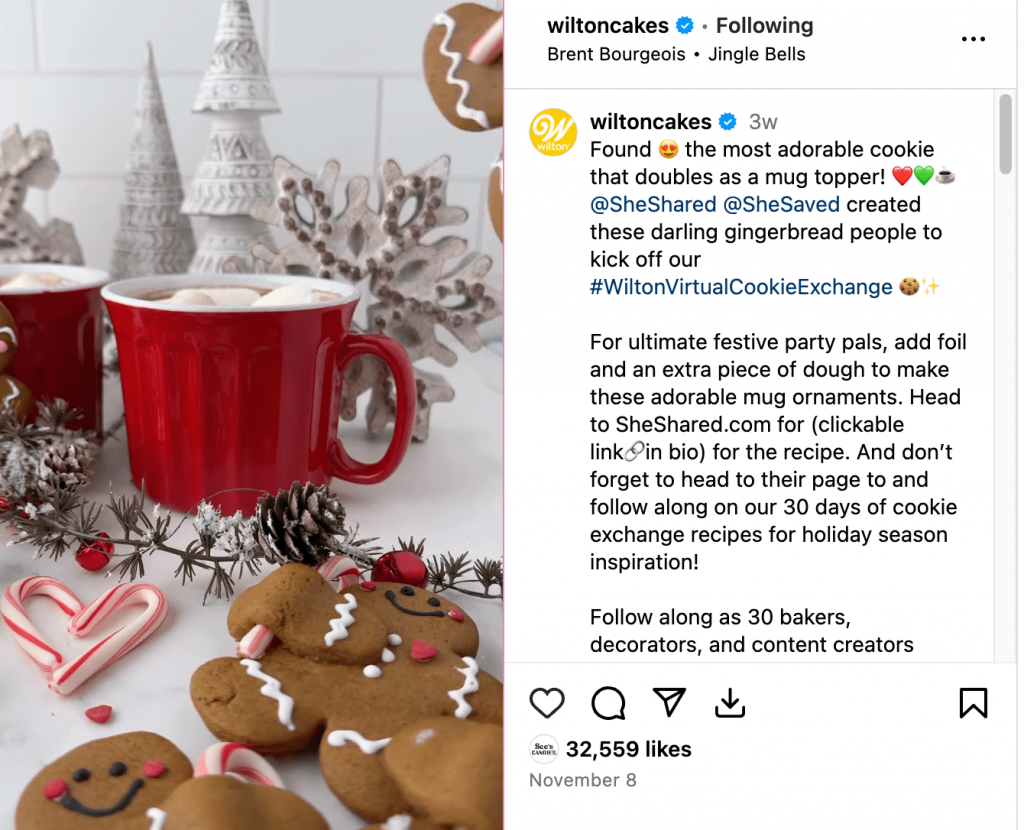
Because it comes from their peers, consumers find UGC more authentic and trustworthy than they might find a more polished professional marketing campaign. Even 64 percent of marketers agree that word-of-mouth marketing is more effective than regular marketing!
Engagement
When you use UGC, you encourage your followers to engage with your post. When consumers see their content being shared or featured by your brand, they are more likely to become engaged and involved with your brand, fostering a sense of community and acceptance.
Diverse Perspectives
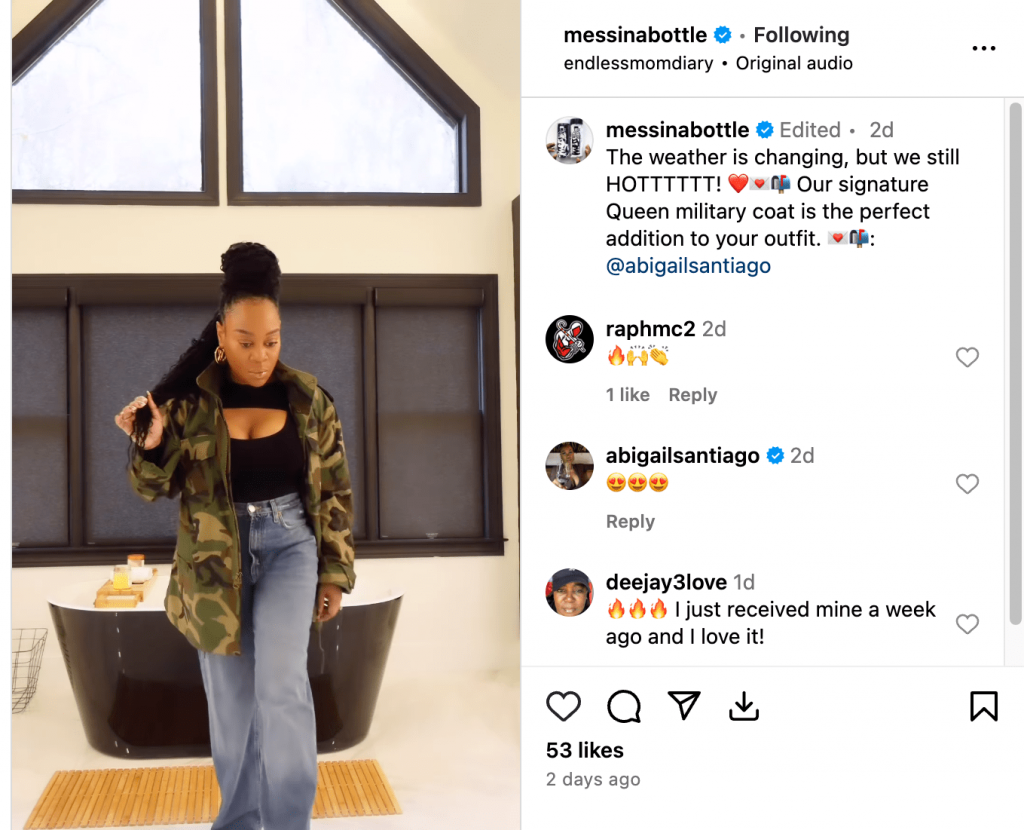
UGC can bring diverse perspectives and experiences to the forefront of your marketing campaign. The more diverse your marketing, the broader the audience appeal, ensuring a rich tapestry of perspectives where more voices feel heard and valued. By showcasing how people celebrate and interact with your brand during the holidays, you can encourage potential customers to incorporate their meaningful experiences into your brand.
Cost Effective
Using UGC in your campaign can often be more cost-effective than creating professional content while delivering high-quality, effective, and relatable content. Content can be generated by creating contests, asking consumers to share their product photos, or working with influencers to showcase your product or service to their followers.
Storytelling
UGC is an excellent vehicle for storytelling. It allows your brand to tap into your users’ real-life stories, emotions, and experiences. These stories can be more compelling than a carefully crafted marketing message.
Boosts Reach
Using UGC can amplify your brand’s reach, especially if your followers share your content with their followers. This will expose your brand to their social network, potentially helping you to reach a larger audience.

In Conclusion
In Summary, using UGC for your holiday marketing campaign on social media helps create a sense of community, authenticity, engagement, and diversity. A user-generated content campaign is often more effective, has a broader reach, and provides ample opportunities for storytelling about your brand and its real-world applications. These are all valuable qualities to have in a successful holiday marketing campaign.
If you’re ready to start creating your holiday marketing campaign using UGC, please contact the social media marketing team at ELMNTL today!
The post Spreading Cheer: User-Generated Content for Holiday Campaigns first appeared on ELMNTL.
]]>