The post The Role of Storytelling in Website Design first appeared on ELMNTL.
]]>Storytelling plays a vital role in your website design. Storytelling helps you create engaging user experiences and helps facilitate an emotional connection with your site visitors. Here are a few examples of how storytelling can enhance your website design and help keep your guests engaged.
Can I Have Your Attention, Please?
Everyone loves a great story, and a well-designed story can grab the attention of your visitors. Storytelling includes narratives, images, and interactive components, encouraging visitors to delve deeper into your site.
Emotional Connections
Fostering an emotional connection to your website’s content allows your guests to relate deeply to your product or service. This can increase your brand loyalty and engagement, boosting your conversion rates!
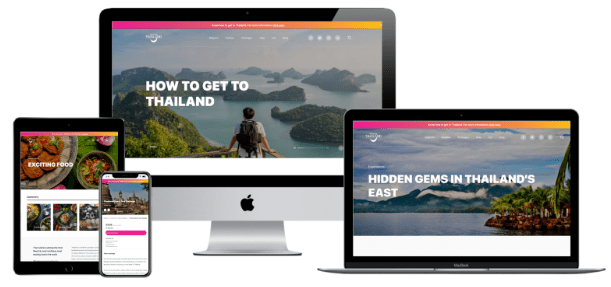
ELMNT client, Tourism Authority of Thailand, is not only informative, but it creates an emotional connection to its content by featuring striking photography and detailed descriptions of the many incredible destinations within Thailand. This content helps travelers form an emotional connection to Thailand, increasing their likelihood of visiting.
Communication is Key
Your brand likely already has a mission and values, but how you convey that message makes all the difference. By telling your story fun and inventively, you will capture your audience’s attention and keep them engaged with your brand.
Enhanced User Experience
The user experience of your website is another essential element to consider. By storytelling, you guide your user through the website in a much more logical and coherent manner.
Using a narrative format makes it easier for your website designer to make your site navigation easier for the user and make the experience of visiting your site more enjoyable.
Brand Personality
Your brand personality is essential to use across all communication platforms, including your website, emails, and social media. Storytelling can showcase your brand’s personality by sharing your business’s mission and values with your users, keeping their connection to your brand.
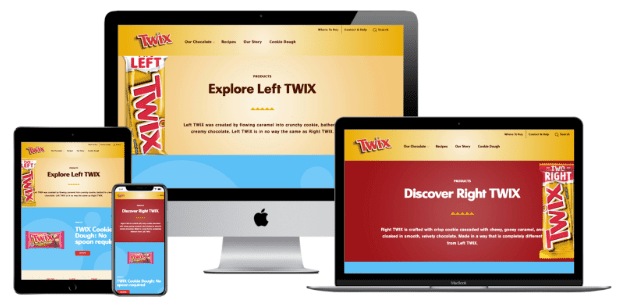
Twix’s clever “Left TWIX” vs. “Right TWIX” campaign showcases the brand’s cheeky personality while still sharing the brand’s story, as well as offering a seamless user experience including CTAs, a clutter-free page, and easy-to-navigate features.
Improved Information Retention
When it comes to information retention, it’s a numbers game. People are more likely to remember a good story than they are to remember facts or figures. Case in point, you can remember the story of Cinderella a lot easier than you can remember the data above about what percentage of consumers prefer visiting a website before making a purchasing decision.
Calls-To-Action (CTAs)
Your storytelling should have a goal in mind, and for most websites, that story should be a call to action, such as buying our product, using our service, or donating to our cause. Rather than just coming out and sharing your CTA, you can also help show customers why they should choose your business and call them to action with your storytelling.
Stand Out
Telling a compelling story helps your brand stand out in a competitive market. When you use a unique story, you show how your brand differs from your competition.
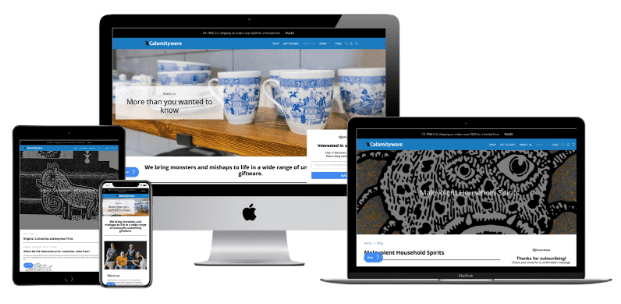
For example, if you were buying a set of dishes, would you be more likely to remember a random wholesaler’s website or a website like the campy Calamityware website that shares a well-crafted story about the artisans or the manufacturer’s story?
Continued Engagement
Storytelling can help create repeat consumers by keeping them loyal to your brand. When users engage with your site, they want to return for more content, information, and user experiences.
The End
Using storytelling in your website design requires a strong brand story that aligns with the goals of your brand and target audience. It’s up to you and your website design team to determine how to tell that story throughout your website in visuals, content, layout, and interactive portions. This will create an engaging experience for your users.
To learn more about how ELMNTL can help you design a website that puts your story front and center, don’t hesitate to contact the web design team at ELMNTL today.
The post The Role of Storytelling in Website Design first appeared on ELMNTL.
]]>The post How to Use A/B Testing to Improve Your Marketing Efforts first appeared on ELMNTL.
]]>However, simply implementing marketing campaigns is not enough; you must ensure that your efforts are effective and resonate with your target audience. This is where A/B testing comes into play.
A/B testing, also known as split testing, is a powerful tool that allows business owners to make data-driven decisions and optimize their marketing efforts. In this blog post, we will delve into the world of A/B testing and explore how business owners can utilize it to improve their online marketing endeavors.
Understanding A/B Testing:
A/B testing involves comparing two different versions of a marketing element or campaign to determine which one performs better. It allows you to identify the most impactful variations and optimize your marketing assets accordingly. The process is relatively straightforward: you create two variants (A and B) of the same marketing element, present them to a similar audience group, and analyze which version generates better results.
Identify Your Objectives:
Before diving into A/B testing, defining clear objectives for your online marketing efforts is crucial. Are you trying to increase website conversions, boost email open rates, or improve click-through rates on your ads? Clearly defining your goals will help you design A/B tests aligning with your objectives.
Selecting Elements for A/B Testing:
The next step is to identify the elements that you want to test. Common elements for A/B testing include:
- Call-to-Action (CTA) buttons: Test different colors, wording, and placements to see which one encourages more clicks and conversions.
- Email subject lines: Experiment with varying subject lines to determine which one leads to higher open rates.
- Landing page layouts: Test different layouts and content arrangements to see which one keeps visitors engaged and encourages action.
- Ad copy and imagery: Try different ad copy and images to find the best combination with your target audience.
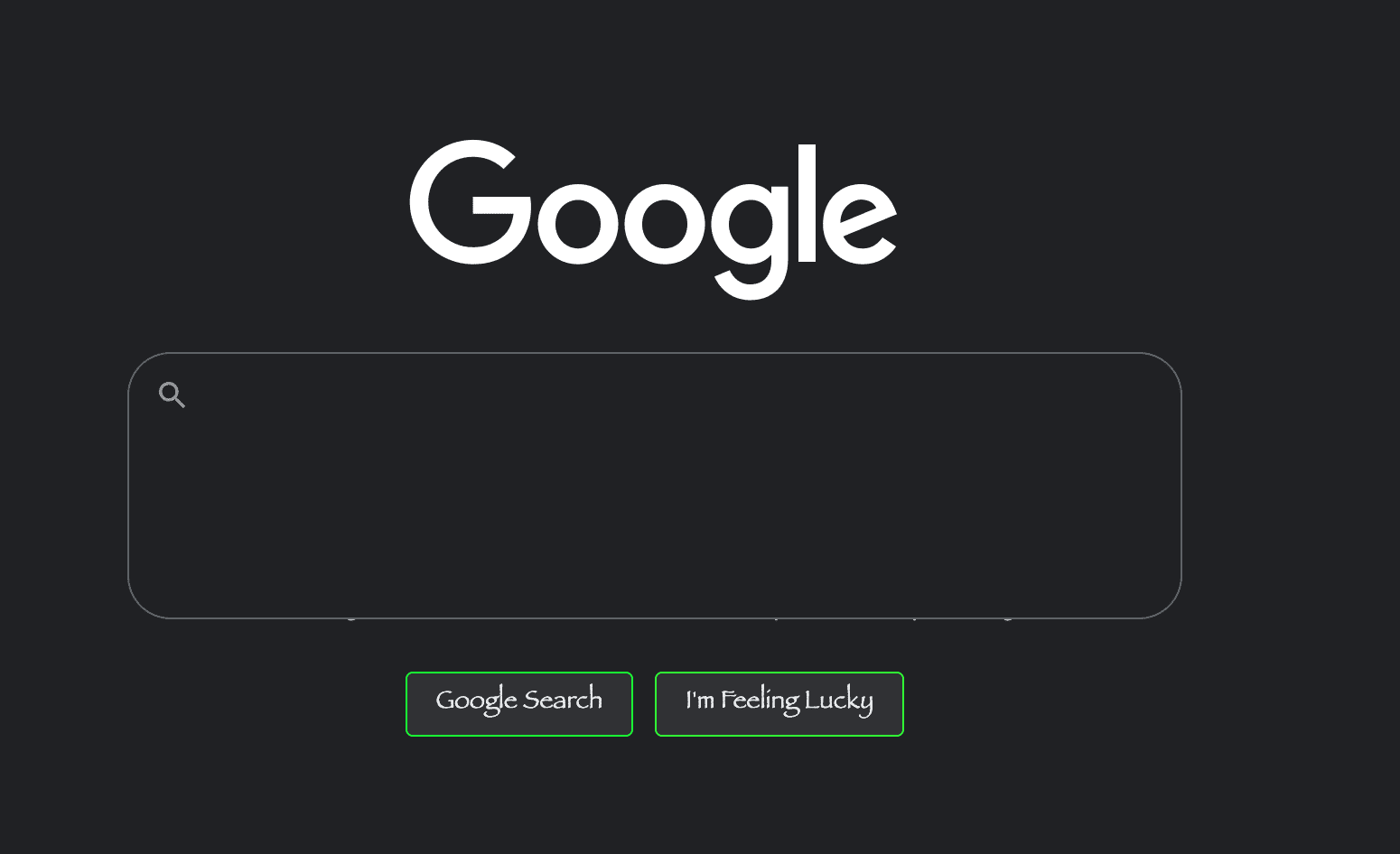
Example of how Google might A/B test its homepage with new CTA border color and font
Implementing A/B Tests:
Once you have defined your objectives and selected the elements for testing, it’s time to implement the A/B tests. Many online marketing platforms offer built-in A/B testing tools that streamline the process. Alternatively, you can use third-party A/B testing tools to conduct experiments and analyze results.
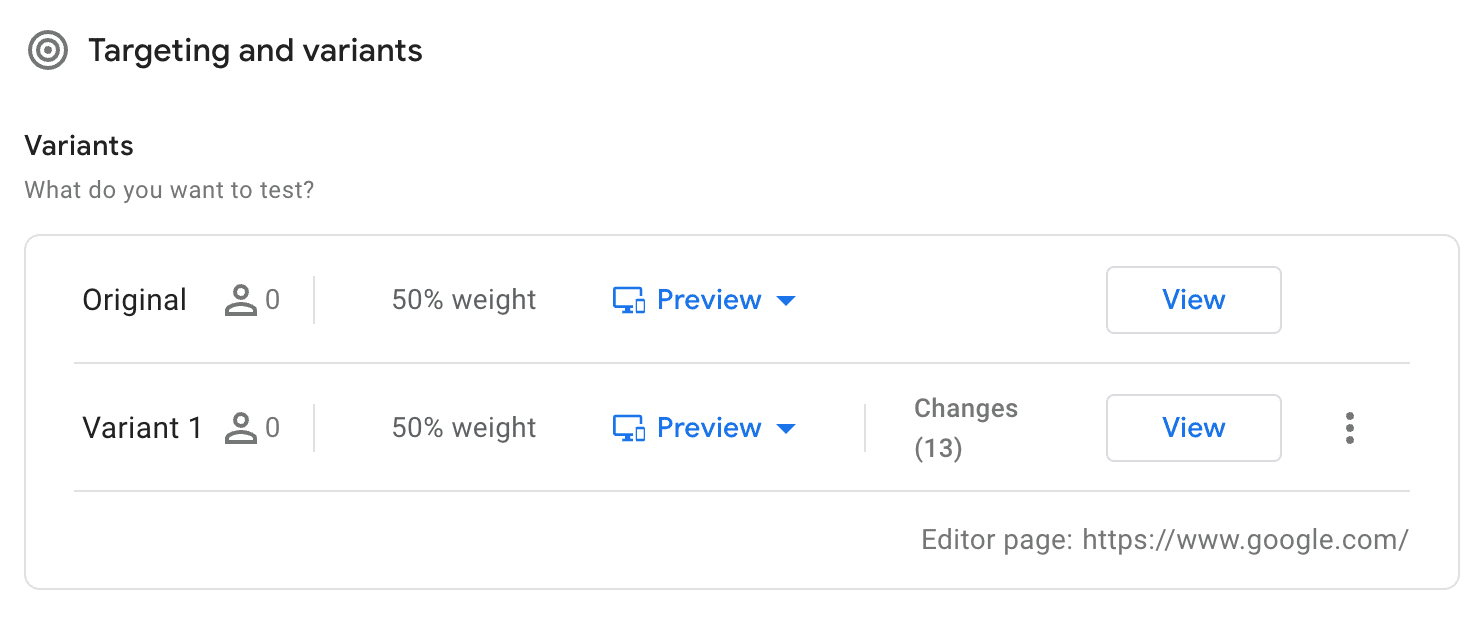
An A/B Test set up in Google’s Optimize tool
Keep It Controlled and Consistent:
For accurate results, it’s essential to conduct A/B tests in a controlled and consistent manner. Ensure that only one variable changes between the two versions (A and B) to attribute any performance differences to that element accurately. Also, test each variant on a similar audience segment to minimize external factors that could influence the results.
Analyze and Interpret Results:
Once your A/B tests have run their course and gathered sufficient data, it’s time to analyze and interpret the results. Focus on the key metrics that align with your objectives, such as conversion rates, click-through rates, or bounce rates. Analyzing the data will give you valuable insights into what works best for your audience.
Iterate and Optimize:
The beauty of A/B testing lies in its iterative nature. Apply the learnings from each A/B test to refine your marketing elements further. Continuously optimize your marketing assets to ensure ongoing performance improvement.
Conclusion
In conclusion, A/B testing is a game-changer for business owners looking to improve their online marketing efforts. By systematically testing and comparing different elements, you can make data-driven decisions that drive better results and higher returns on investment.
Remember to establish clear objectives, select the correct elements for testing, conduct controlled experiments, and analyze the results thoroughly. With A/B testing as your ally, you’ll be better equipped to navigate the dynamic digital landscape and ensure your online efforts perform optimally.
As you dive into the exciting world of A/B testing to supercharge your marketing game, remember that ELMNTL has your back! Do you want to take your marketing to the next level? Contact our digital marketing experts, and let’s cook up some marketing magic together!
The post How to Use A/B Testing to Improve Your Marketing Efforts first appeared on ELMNTL.
]]>The post The Ultimate Guide to Crafting an Intuitive and Engaging Website User Experience first appeared on ELMNTL.
]]>Discover User Experience
Imagine stepping into a store that feels like a maze, with no clear signs or pathways to guide you. Frustrating, right? The same applies to your website. A well-designed, intuitive user website experience is like a trail of breadcrumbs that leads your visitors effortlessly to their destination.
Creating an engaging website user experience is about more than aesthetics. It’s about crafting an emotional connection with your audience. A seamless and intuitive journey will keep them coming back for more and ultimately boost your brand’s reputation.
Know Your Audience: The Secret to User-Centric Design
Creating a captivating website starts with understanding your target audience. Who are they? What are their preferences, pain points, and expectations? With this data, you’ll uncover the key insights that will shape your website’s design and content.
Example: Airbnb nails user-centric design. Their website caters to various travelers, from adventurers to comfort-seekers. By allowing users to filter listings based on their preferences, they create a personalized experience that feels tailor-made for each individual.
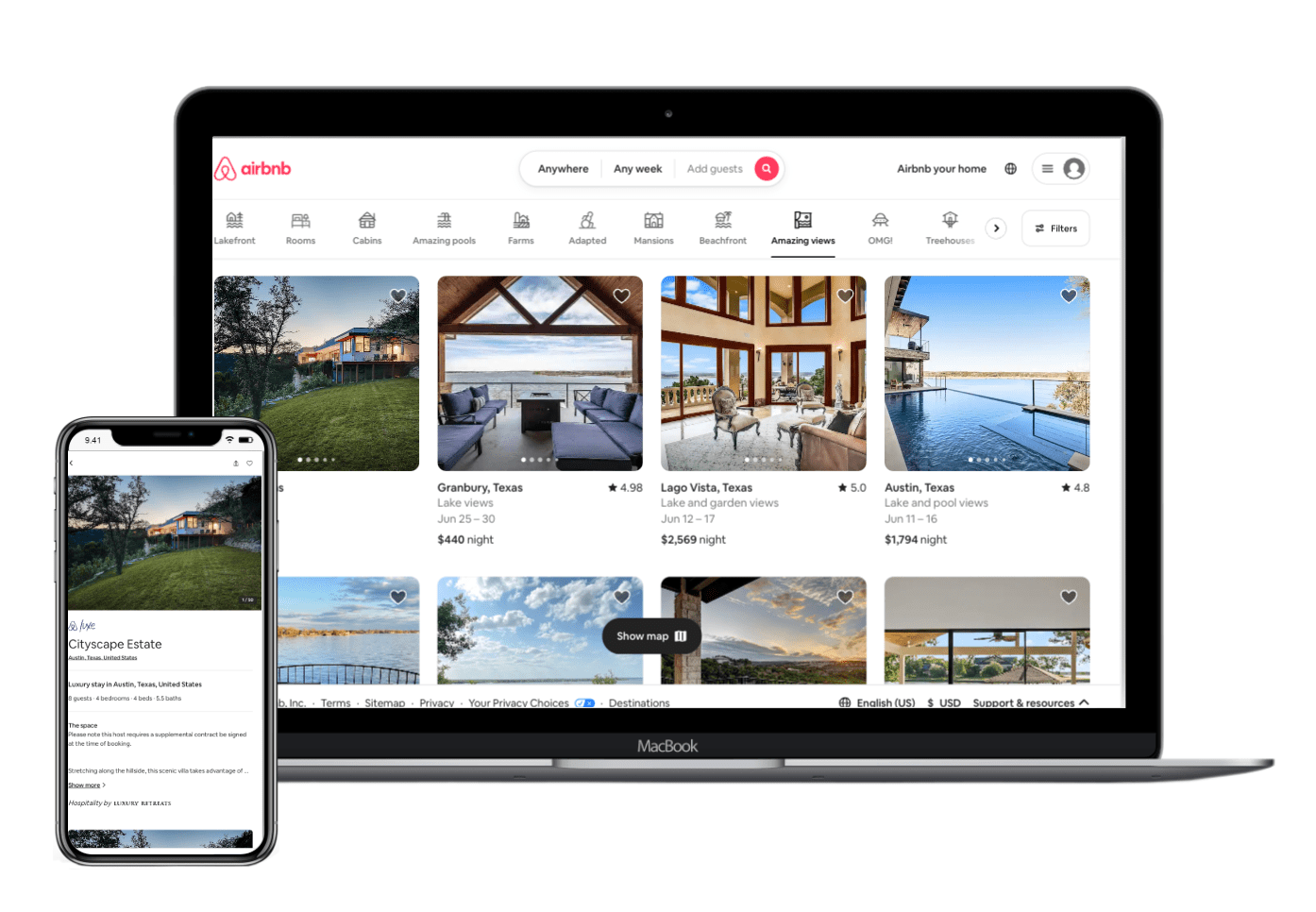
Airbnb’s website features user-centric design catering to travelers
Embrace Simplicity: The Art of Minimalism
Less is more when it comes to web design! Simplicity in design and content enhances visual appeal and reduces user cognitive load. Follow current web design trends, keep your website clutter-free, and focus on essential elements driving the user’s journey forward.
Example: Google’s homepage is the epitome of minimalism. With a simple logo, search bar, and a few buttons, it directs users straight to their search intent without overwhelming distractions.
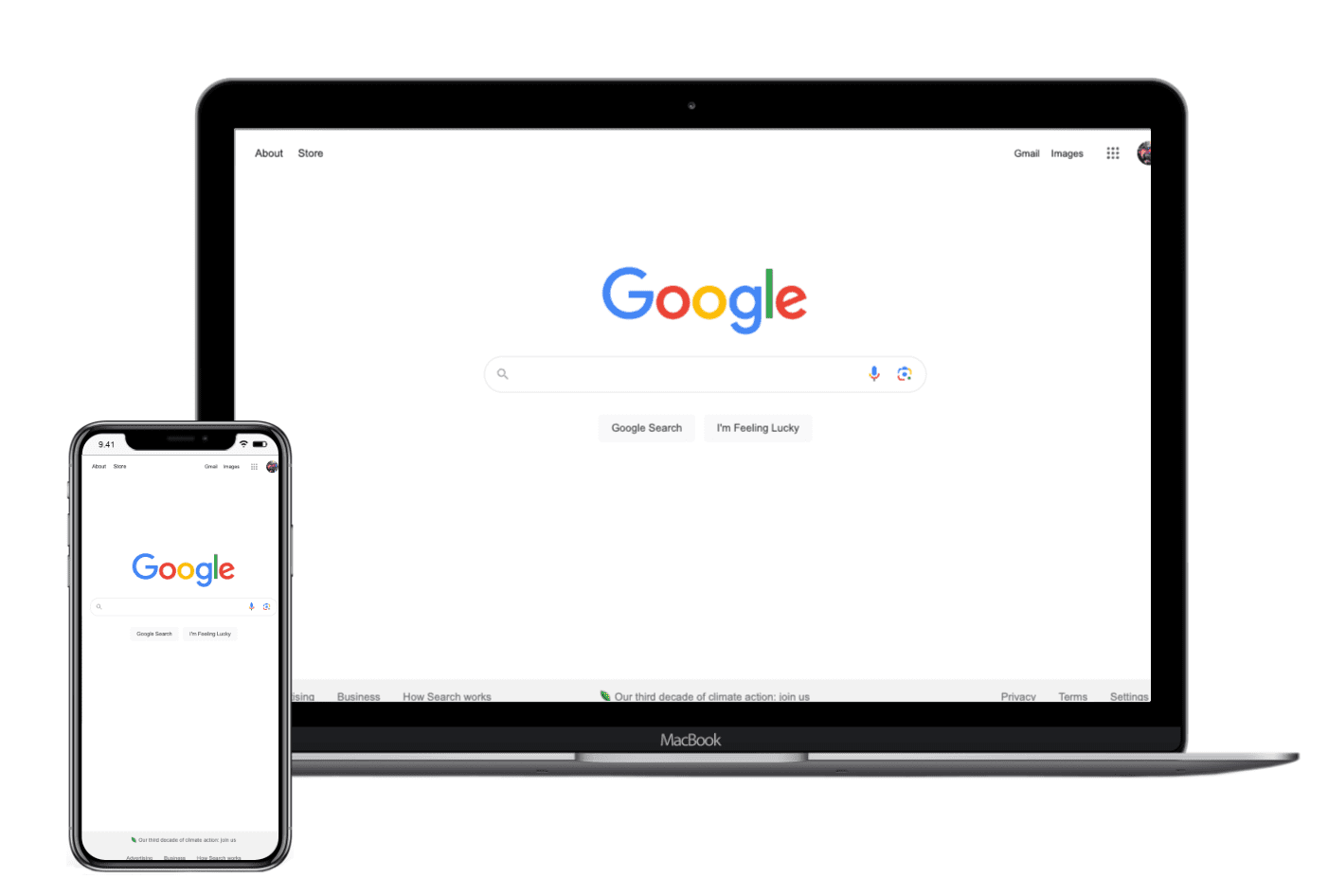
Google’s minimalistic homepage design allows users to search easily
Smooth Navigation: Your Digital Compass
Picture this: you’re on a road trip, and the GPS keeps leading you in circles. Annoying, right? The same goes for website navigation. Straightforward and intuitive navigation is the backbone of a seamless user experience.
Example: Take a cue from Apple’s website. Their straightforward navigation menu takes users to different product categories effortlessly. The menu is visible and accessible on all pages, ensuring users never feel lost.
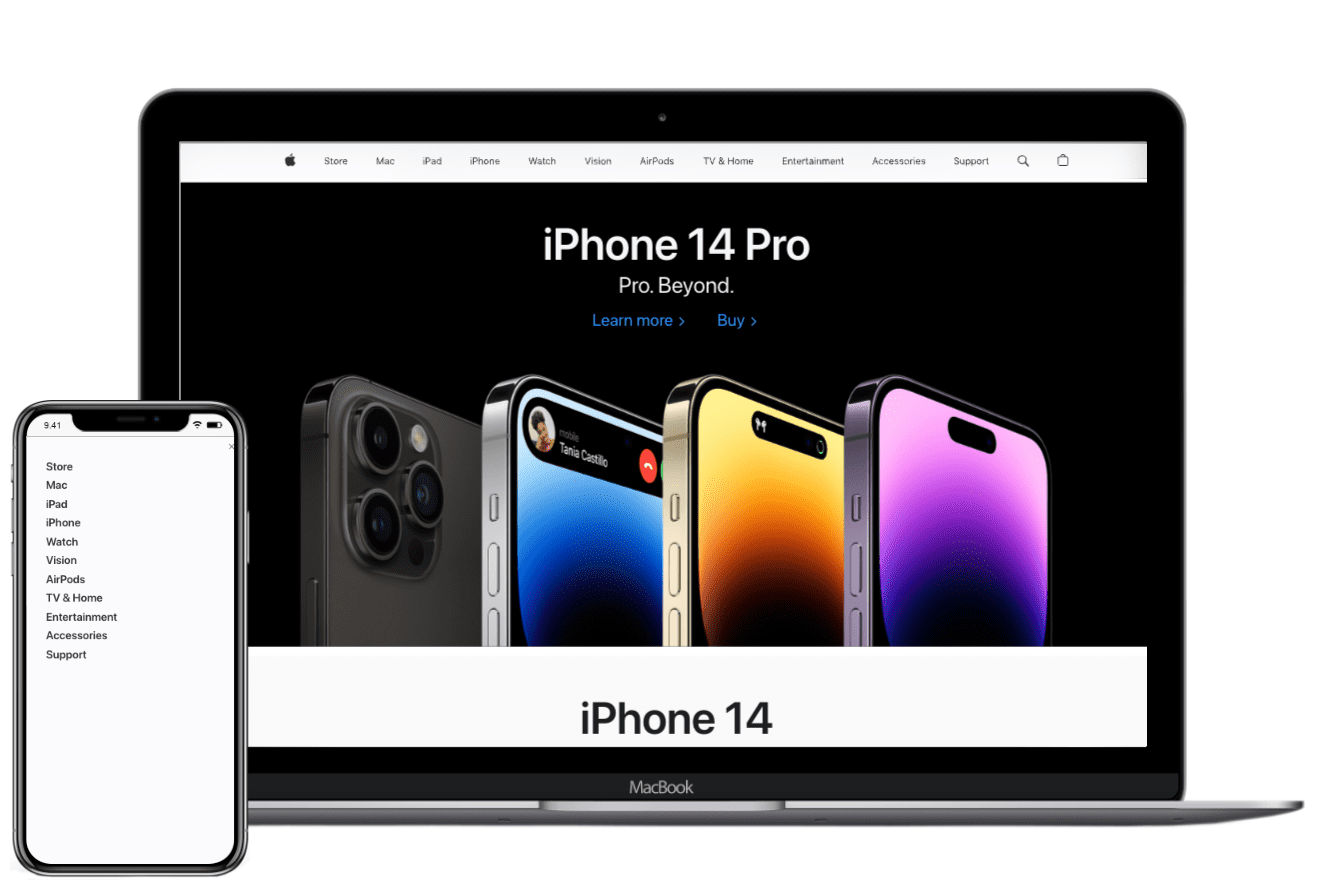
Simple navigation on Apple’s website allows users to find info on products quickly
Storytelling: Weaving Magic with Words
Humans are natural-born storytellers, and storytelling has the power to evoke emotions and create lasting memories. Use the storytelling technique on your website to connect with your audience on a deeper level.
Example: TOMS’ website weaves a compelling narrative about their “Wear TOMS. WEAR GOOD.” mission. By sharing stories of the impact they’ve made, they inspire visitors to become a part of something meaningful.
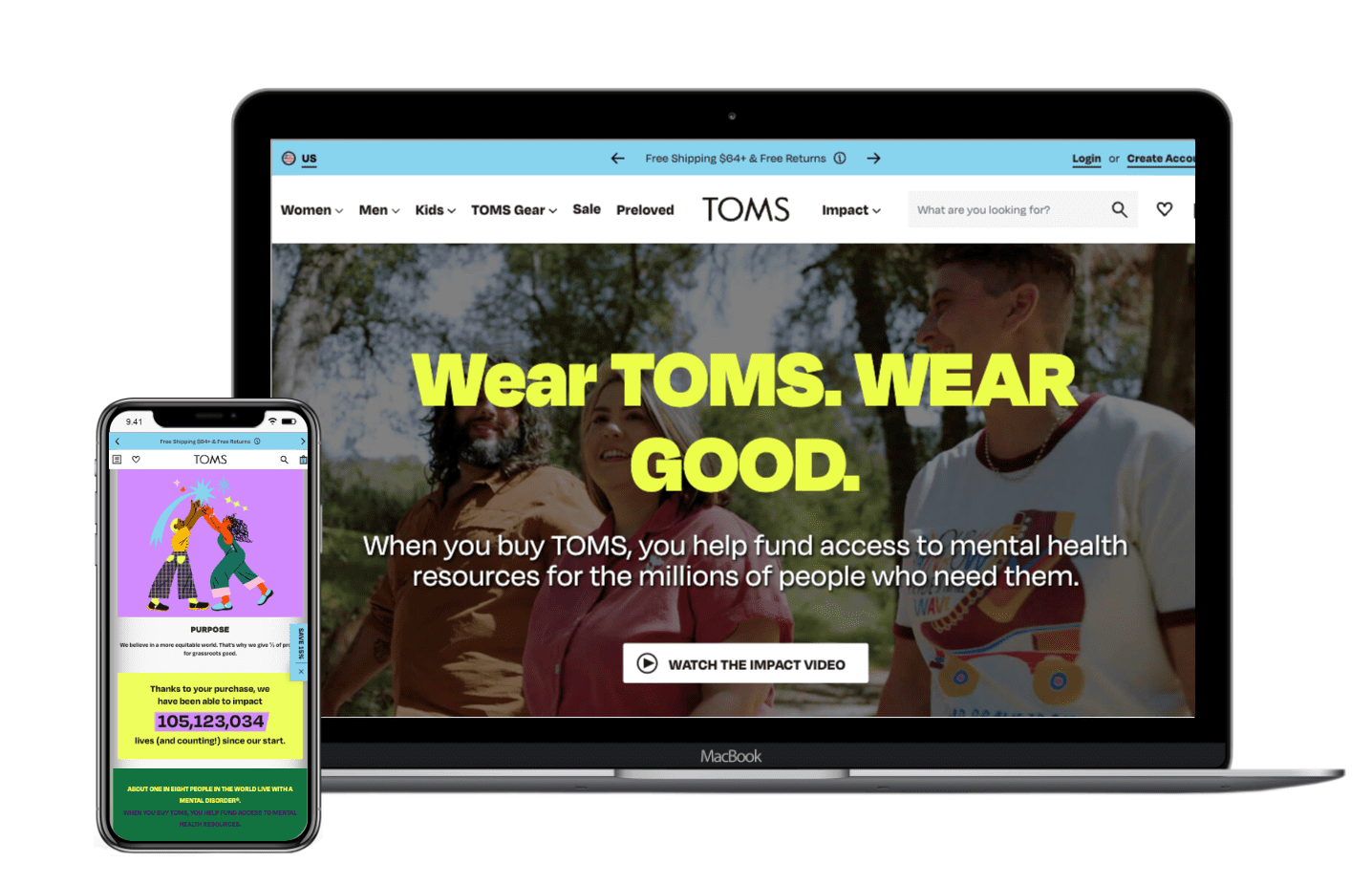
TOMS’ website uses storytelling to share its mission
Mobile Optimization: Users on the Move
In this mobile-centric world, your website must perform flawlessly on various devices. Mobile optimization is not an option but a necessity to ensure a delightful experience for all users, even those on the move.
Example: Starbucks does mobile optimization right. Their website and app adapt seamlessly to different screen sizes, making ordering their favorite beverage on the go easy.
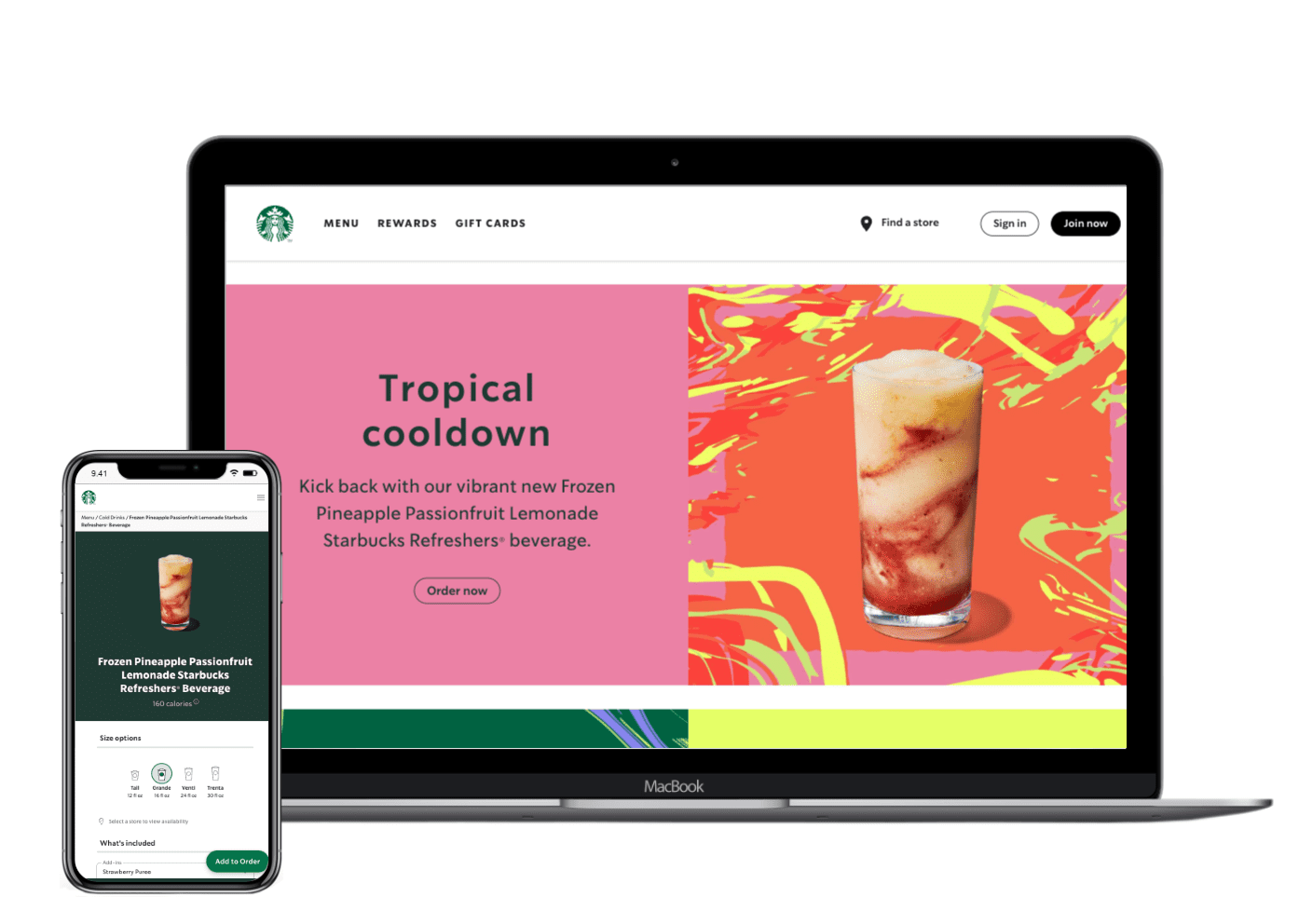
Starbucks’ website adapts seamlessly to different screen sizes
Loading Speed: Abracadabra, Instant Gratification!
Nobody likes to wait for magic to happen, and the same goes for your website. A slow-loading website can be a deal-breaker, pushing users away before they even experience your enchanting content. Did you know that retailers lose a staggering $2.6 billion in sales each year due to websites that load slowly?
Example: Amazon waves its magic wand to deliver quick-loading pages. With millions of products and images, they’ve optimized their website to load in a blink, ensuring a pleasant experience for customers.
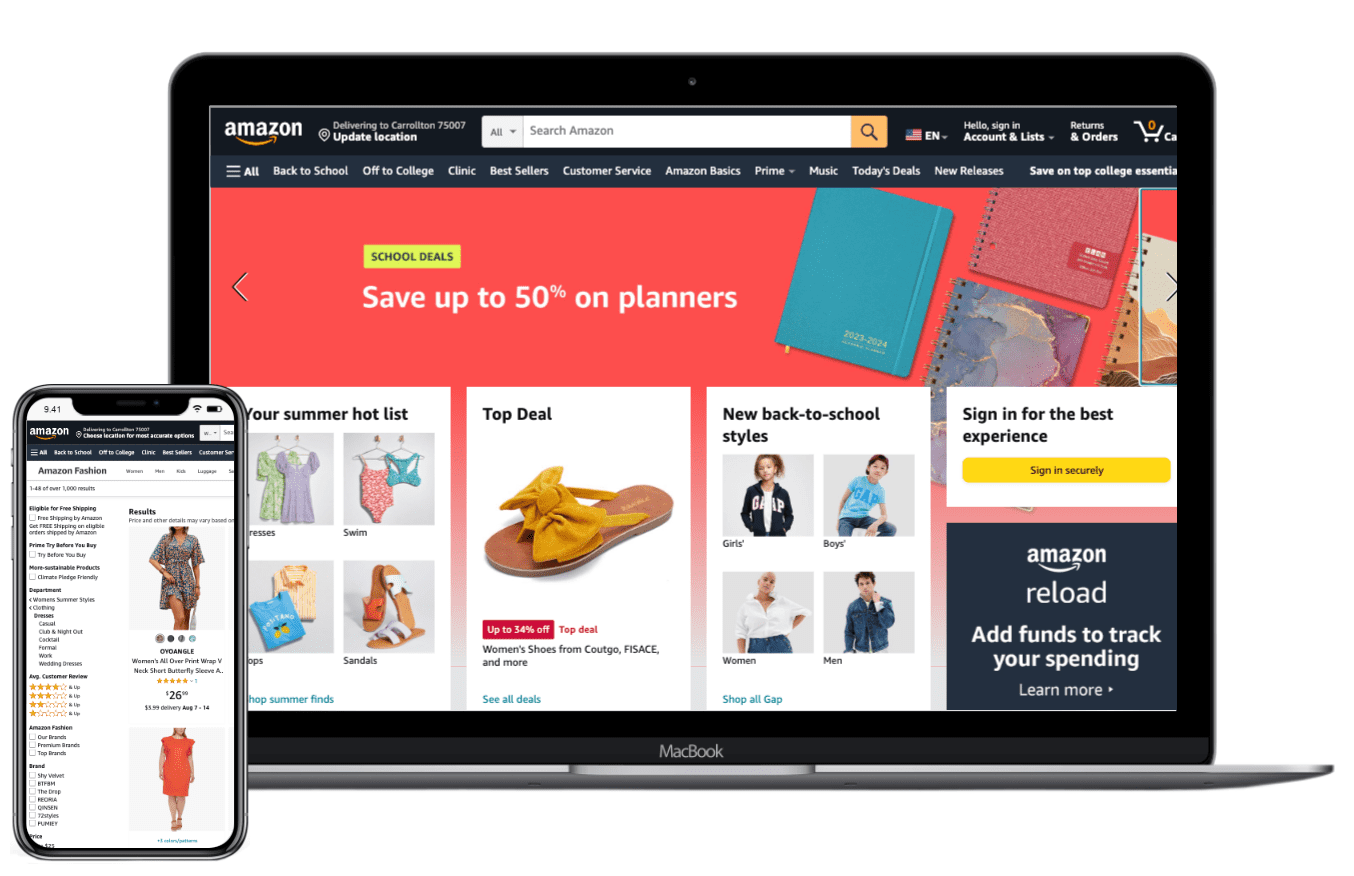
Amazon’s website features quick-loading pages
Interactive Elements: Creating Engagement
Break the fourth wall of the digital realm and engage users with interactive elements. From quizzes to gamified experiences, interactive features make the user experience more enjoyable and memorable.
Example: BuzzFeed masters interactive content with quizzes that captivate audiences and encourage social sharing. They make mundane topics magical with playful quizzes and personalized results.
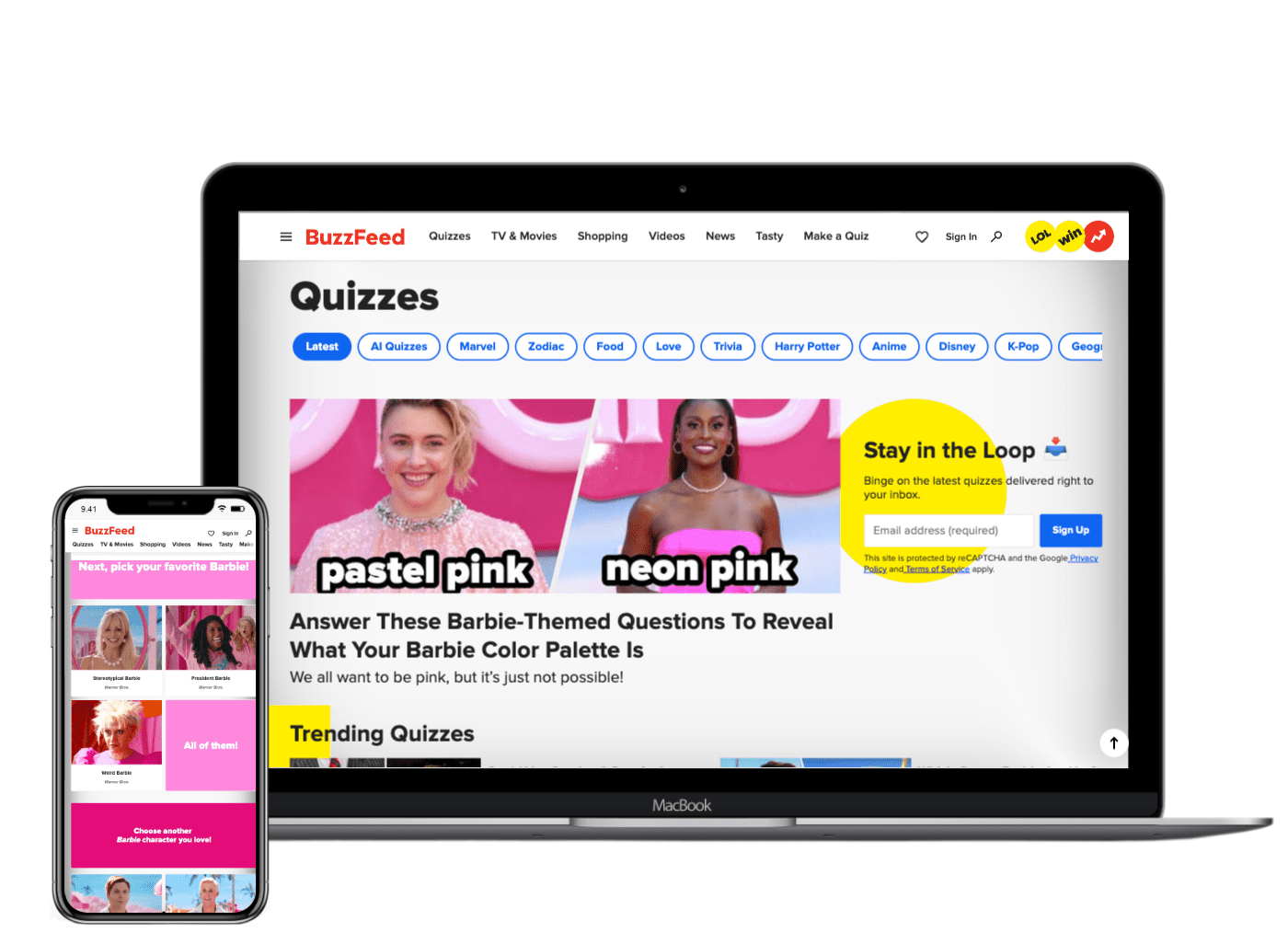
BuzzFeed’s website engages users with quizzes and interactive content
Accessibility: Welcoming All
Your website experience should be accessible to everyone. Ensure that people with disabilities can experience your website by following accessibility guidelines, making your site inclusive and diverse.
Example: Microsoft captivates users with an inclusive design approach. Their website offers accessibility options like alt text for images and screen reader support, enabling everyone to access their content.
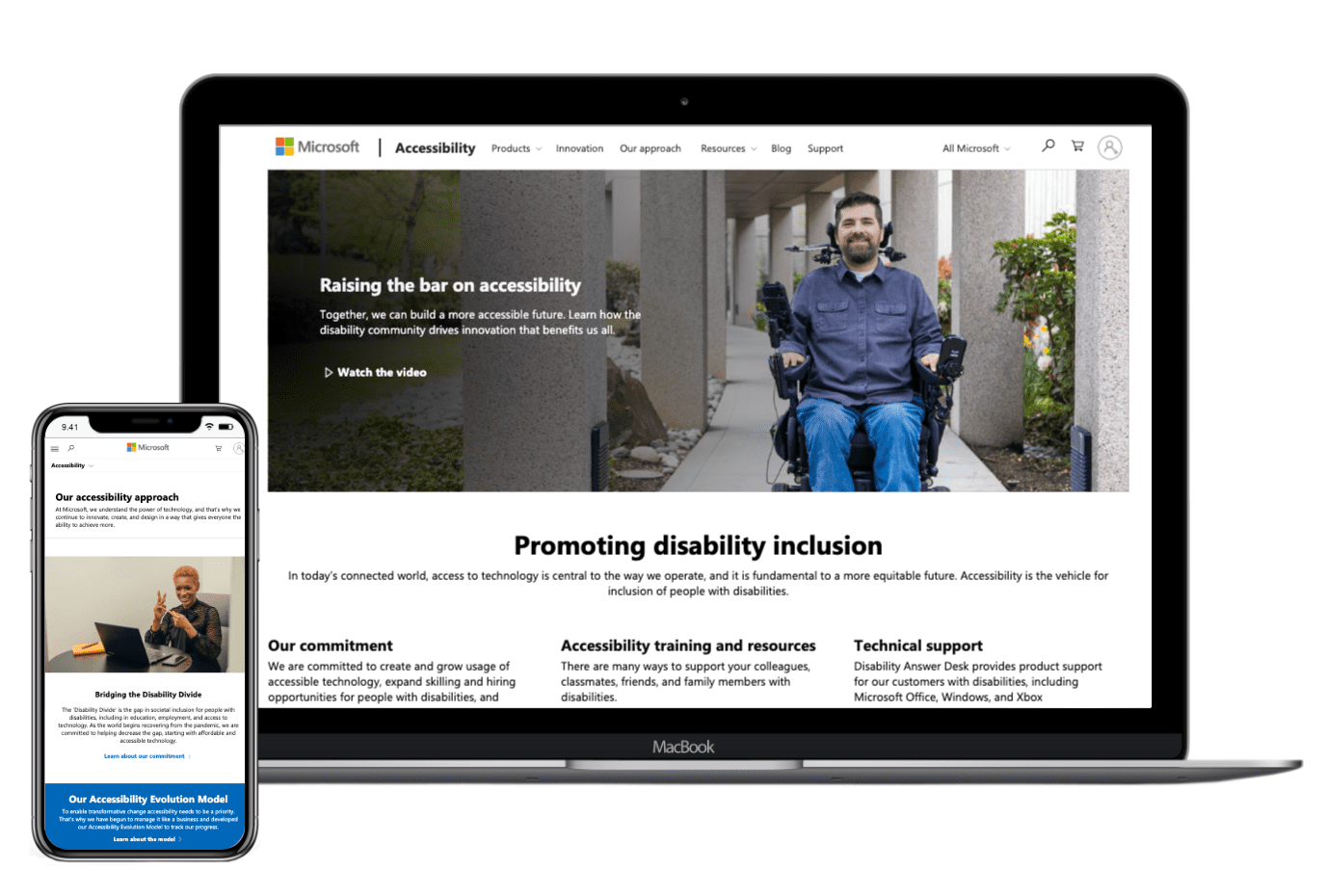
Microsoft’s website offers an inclusive design approach
Unleash an Engaging Website Experience!
As you set out to create an intuitive and captivating user experience, remember that understanding your audience and simplifying your approach are the keys to success. Embrace the power of storytelling, optimize for mobile devices, and ensure your website loads quickly. Incorporate interactive elements to make the experience more enjoyable, and prioritize accessibility to ensure everyone can experience everything your website offers.
Are you ready to breathe life into your website and offer visitors an experience they’ll love? Our team at ELMNTL is here to guide you through this process. Contact us today, and let’s work together to make your website an engaging and user-friendly destination for all!
The post The Ultimate Guide to Crafting an Intuitive and Engaging Website User Experience first appeared on ELMNTL.
]]>The post 20 Website Industry Statistics That You Should Know first appeared on ELMNTL.
]]>From the dominance of WordPress as the leading CMS to the impact of mobile optimization and the importance of high-quality web design, these statistics shed light on key aspects that can help businesses thrive online. So… let’s go!
Website Industry Stats
- Worldwide Website Landscape
Currently, there are approximately 1.11 billion websites worldwide, with 18% active and the remaining 82% inactive according to Netcraft’s June 2023 Web Server Survey.
- Dominance of WordPress
WordPress reigns supreme among all content management systems (CMS), hosting a staggering 42.4% of all websites on the internet. This popularity is attributed to its user-friendly interface and extensive plugin ecosystem, making it accessible even for individuals with limited technical knowledge. WordPress offers its vast library of themes and plugins to enhance your website’s functionality and design.
At ELMNTL, our development team is well-versed in all things WordPress and can tap into the platform’s extensive capabilities to make your business shine.
- Global Traffic from Google
An astonishing 93% of global web traffic originates from Google. To capitalize on this, it is essential to implement effective search engine optimization (SEO) strategies. This includes optimizing your website’s text content with relevant keywords, improving its loading speed, and employing the latest user-experience best practices. Additionally, consider utilizing Google Ads and other online advertising platforms to further boost your website’s visibility.
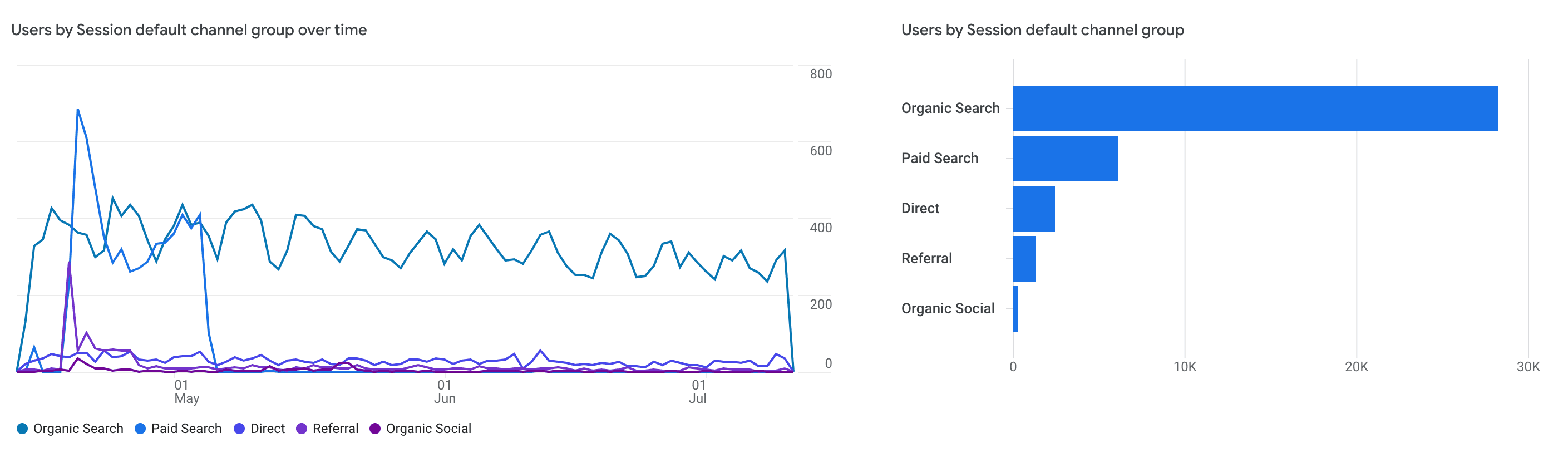
Example Google Analytics data shows the majority of traffic from Google organic searches
First Impressions
- First Impressions Matter
You have a mere 50 milliseconds to create a positive first impression on website visitors, emphasizing the importance of a visually appealing and well-designed website. Invest in high-quality web design that aligns with your brand identity and effectively communicates your message. Focus on creating a clean and intuitive user interface, compelling visuals, and seamless navigation to captivate visitors from the moment they land on your site. - Design’s Impact on First Impressions
A whopping 94% of users form their initial judgment of a website based on its design. To ensure a positive user experience, prioritize responsive design that adapts seamlessly to various screen sizes. Optimize your website’s layout, typography, and color scheme to create a visually pleasing and engaging environment that reflects your brand’s professionalism and credibility. - Credibility and Appearance
Approximately 75% of people evaluate a business’s credibility based on the appearance and design of its website. Enhance your website’s credibility by using high-quality images and videos, showcasing testimonials and client logos, and providing clear contact information. Additionally, ensure that your website loads quickly and functions flawlessly across different browsers and devices.
Web Design
- Negative Impact of Poor Web Design
57% of users would not recommend a business if it has a poorly designed website. Avoid losing potential customers by investing in a well-designed website that prioritizes user experience. Conduct user testing to identify and rectify any usability issues, optimize page load times, and ensure seamless navigation. Implementing these improvements will increase the likelihood of positive recommendations and repeat visitors. - Lack of Call to Action (CTA)
Surprisingly, 70% of small business websites’ homepages lack a prominent Call to Action (CTA). Maximize website conversions by incorporating clear and compelling CTAs throughout your website. Use persuasive language, visually distinct buttons, and strategic placement to guide users toward desired actions such as making a purchase, subscribing to a newsletter, or contacting your business.
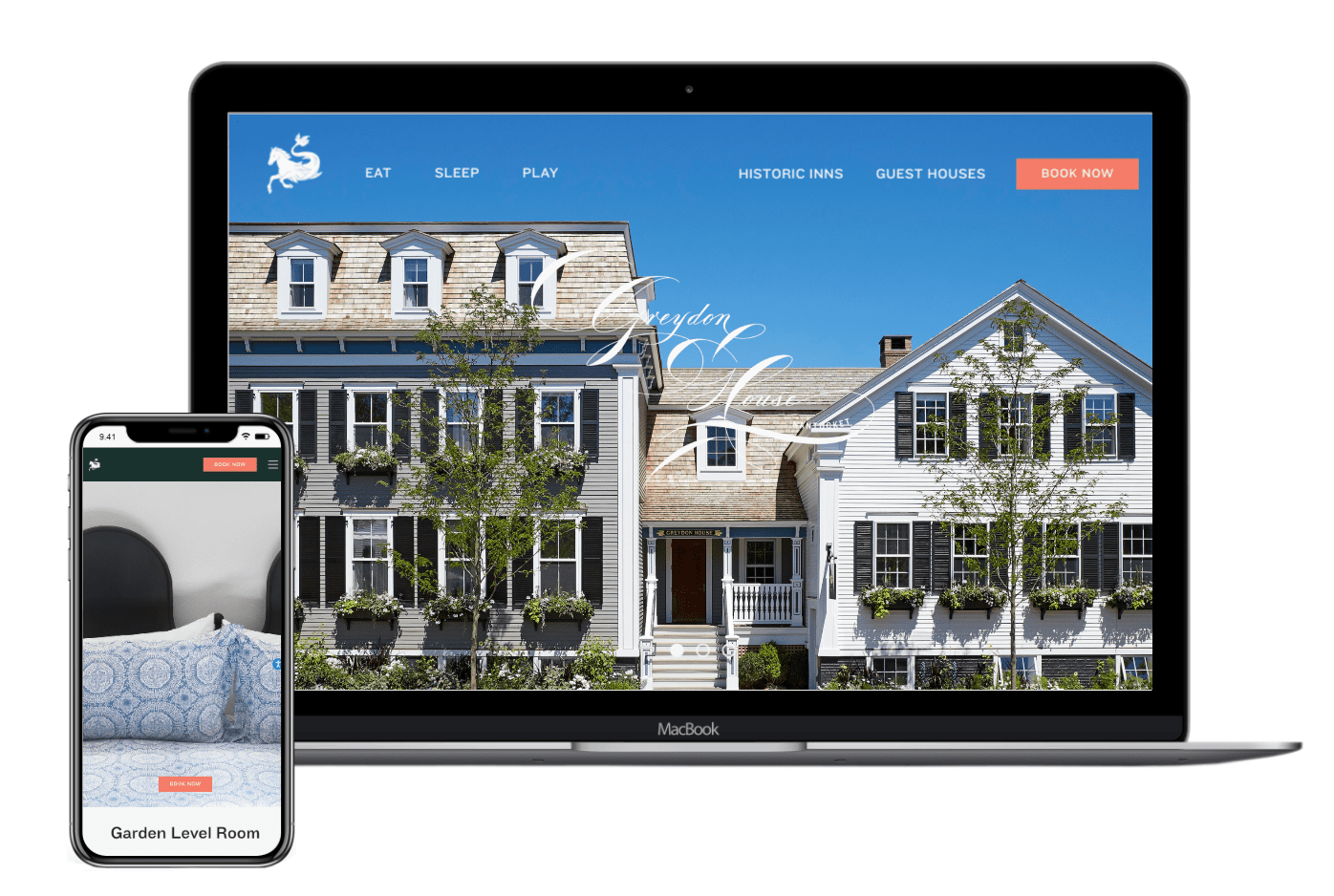
Greydon House website with prominent CTAs to Book Now
- Attention on Main Images
Users’ attention is captured for an average of 5.94 seconds on a website’s main image. Make the most of this limited time by choosing visually striking and relevant images that communicate your brand message effectively. Optimize image sizes to minimize loading times without compromising quality, enabling visitors to engage with your content swiftly.
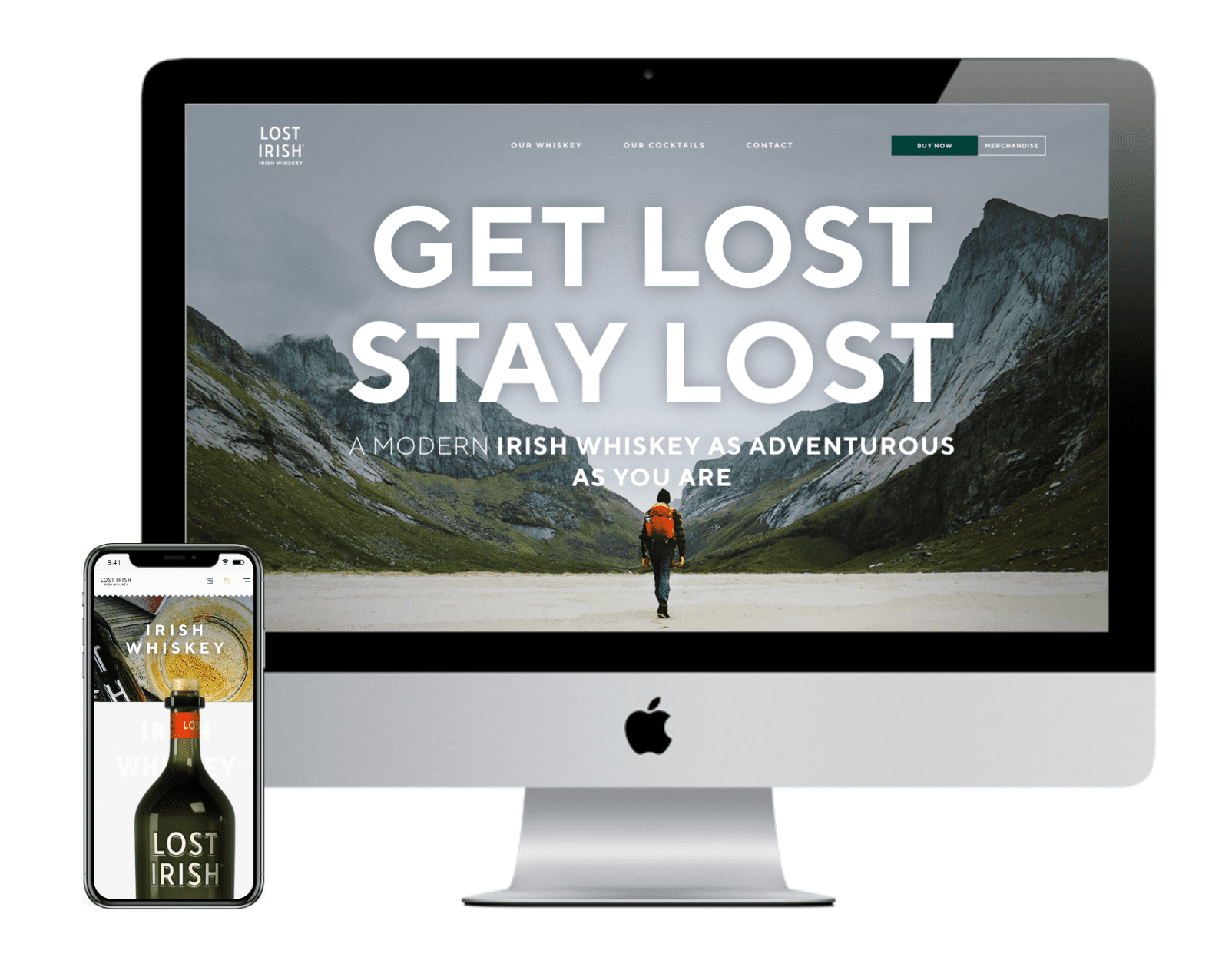
Lost Irish website images evoke the adventurous spirit of the brand
- Conversion Rates and Original Photos
Speaking of images, web pages featuring original photos witness nearly 35% higher conversion rates than pages using stock photos. Invest in professional photography or create unique visual content tailored to your brand. This authenticity can significantly enhance user engagement and boost conversion rates.
- Web Design and Credibility
Nearly half, or 48%, of individuals consider web design as the primary factor in assessing a business’s credibility. To establish trust, invest in a professional web design that conveys your expertise and reliability and instills confidence in your audience.
User Experience
- User Experience Impact
A staggering 88% of online consumers are unlikely to revisit a website after a negative user experience. Prioritize user experience by conducting usability testing, optimizing site performance, and ensuring intuitive navigation. Regularly gather user feedback and make improvements based on their insights to continually enhance the browsing experience. - User-Friendly Website Design
76% of consumers consider ease of navigation as the most crucial factor in a website’s design. Prioritize intuitive navigation by organizing content logically, implementing clear menus, and integrating search functionality. Provide users with a seamless browsing experience, enabling them to find information quickly and efficiently.
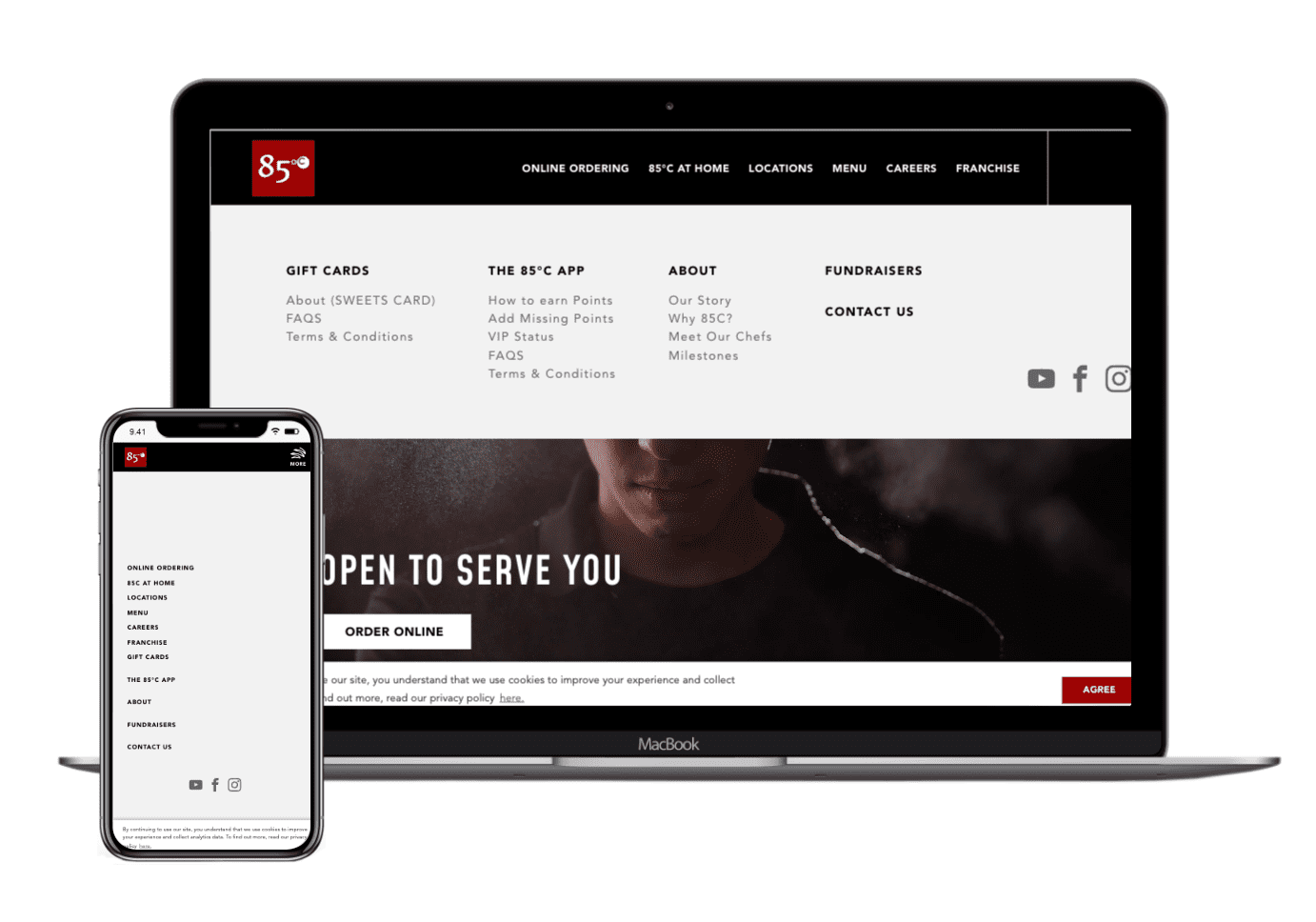
85°C Bakery Cafe user-friendly intuitive navigation and prominent CTA to Order Online
- Above-the-Fold Attention
Website users spend 57% of their time on the visible portion of a webpage without scrolling. Capture their attention by placing essential information, eye-catching visuals, and compelling CTAs above the fold. Ensure that users can quickly understand your value proposition and take action without the need for excessive scrolling. - Enhanced Engagement with Videos
Users spend 88% more time on pages that incorporate videos. Leverage this by integrating engaging videos that communicate your brand story, demonstrate product features, or provide valuable information. Optimize videos for fast loading and ensure they are compatible with different devices and browsers.
Mobile Web
- Mobile Traffic Contribution
As of July 2023, mobile devices contribute to 56.96% of all website traffic. To capitalize on this trend, optimize your website for mobile devices. Prioritize fast loading times, simplified navigation, and streamlined content presentation to ensure a positive mobile user experience.
- Mobile Internet Usage
A vast majority of internet users worldwide, specifically 95%, utilize mobile phones to access the web at least some of the time. Ensure your website is mobile-responsive and provides a seamless browsing experience across various devices. Implement mobile optimization techniques such as responsive design, fast loading speeds, and intuitive touch-friendly navigation to cater to the growing mobile audience. - Sales Boost through Responsive Mobile Design
Around 62% of companies report increased sales by implementing responsive mobile platforms for their websites. By prioritizing mobile responsiveness, you can tap into a broader audience and provide a seamless shopping experience across devices. Consider implementing mobile-specific features like click-to-call buttons and simplified checkout processes to further enhance conversion rates.
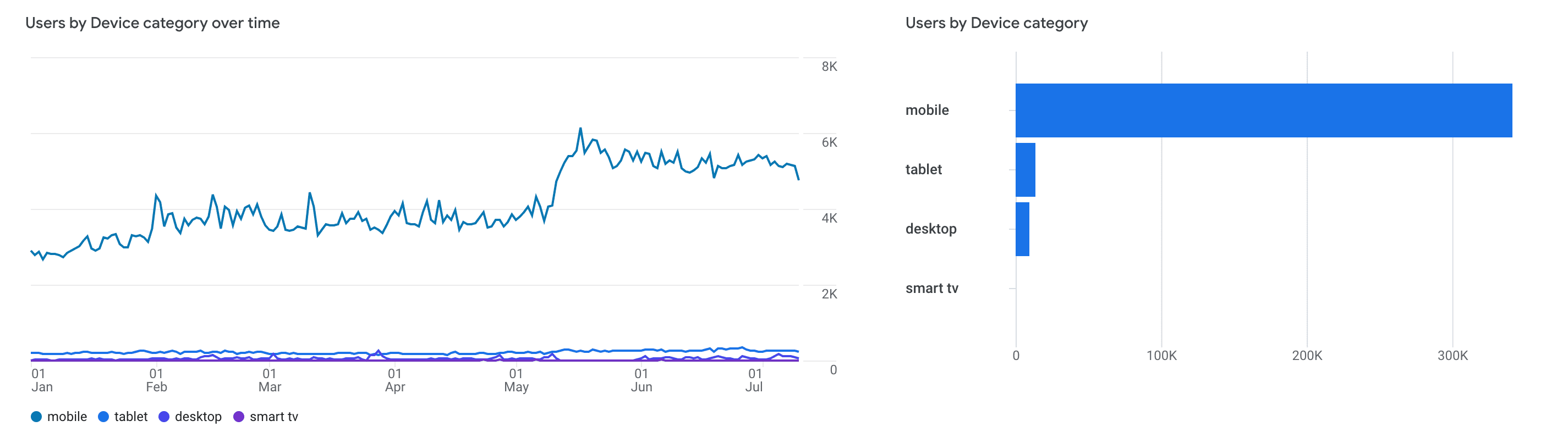
Example Google Analytics data shows the majority of traffic from mobile devices
Website Speed
- Impact of Slow Loading Speed
Websites that load slowly cost retailers a staggering $2.6 billion in lost sales each year. Boost your website’s loading speed by optimizing images, minifying code, and leveraging caching techniques. Consider utilizing content delivery networks (CDNs) to distribute your content globally, ensuring fast access for users worldwide.
- Expectations for Page Load Time
47% of consumers expect a web page to load within two seconds or less. To meet these expectations, you should have a team to continuously monitor and optimize your website’s performance. They should utilize performance testing tools, compress large files, and leverage browser caching to minimize loading times and provide a smooth browsing experience. Don’t know where to start? Our website maintenance packages were designed for just this purpose.
Leverage These Insights
These 20 website industry statistics offer valuable insights into the ever-evolving online landscape. By leveraging the power of web design, user experience, and mobile optimization, you can position your business for success in the digital realm.
Remember, a well-designed and user-friendly website is a powerful tool that can help you achieve your business goals. If you need expert assistance in maintaining your website or want to explore customized solutions tailored to your brand, connect with us. Our team of website professionals is ready to take your online presence to the next level.
The post 20 Website Industry Statistics That You Should Know first appeared on ELMNTL.
]]>The post Tips For Optimizing Your Website For Conversions first appeared on ELMNTL.
]]>Conversion rate optimization, or CRO, is a strategy used to increase the percentage of users who complete an intended action on your website. But getting conversions can be tricky if you don’t know what you’re doing.
If you want to convert your website traffic into sales or leads, there are a few steps you can take to increase your conversion rate. Here are some tips to get you started.
Do Your Research
It’s essential to know who you are optimizing your website for conversions. Do your market research and find your target audience by analyzing past customers, pain points, and competitors. Hiring a marketing team to assist you can simplify this process and get you accurate data to improve your website conversion rate.
Once you know who you’re targeting, it’s time to start optimizing.
Call to Action
You likely already have a call to action (CTA) on your homepage, but how easy is it to find? Do your potential customers know where to go to contact you, fill out a registration form, book a reservation, or make a purchase? You could struggle to get conversions if you don’t have a prominent CTA.
A great place to put your CTA is above the “fold,” or what your potential customers will see when they first arrive on your website. This should be eye-catching to grab their attention. A great example of an above-the-fold CTA is the Greydon House website, designed by ELMNTL, which features a bold “Book Now” button at the top right side of the page.
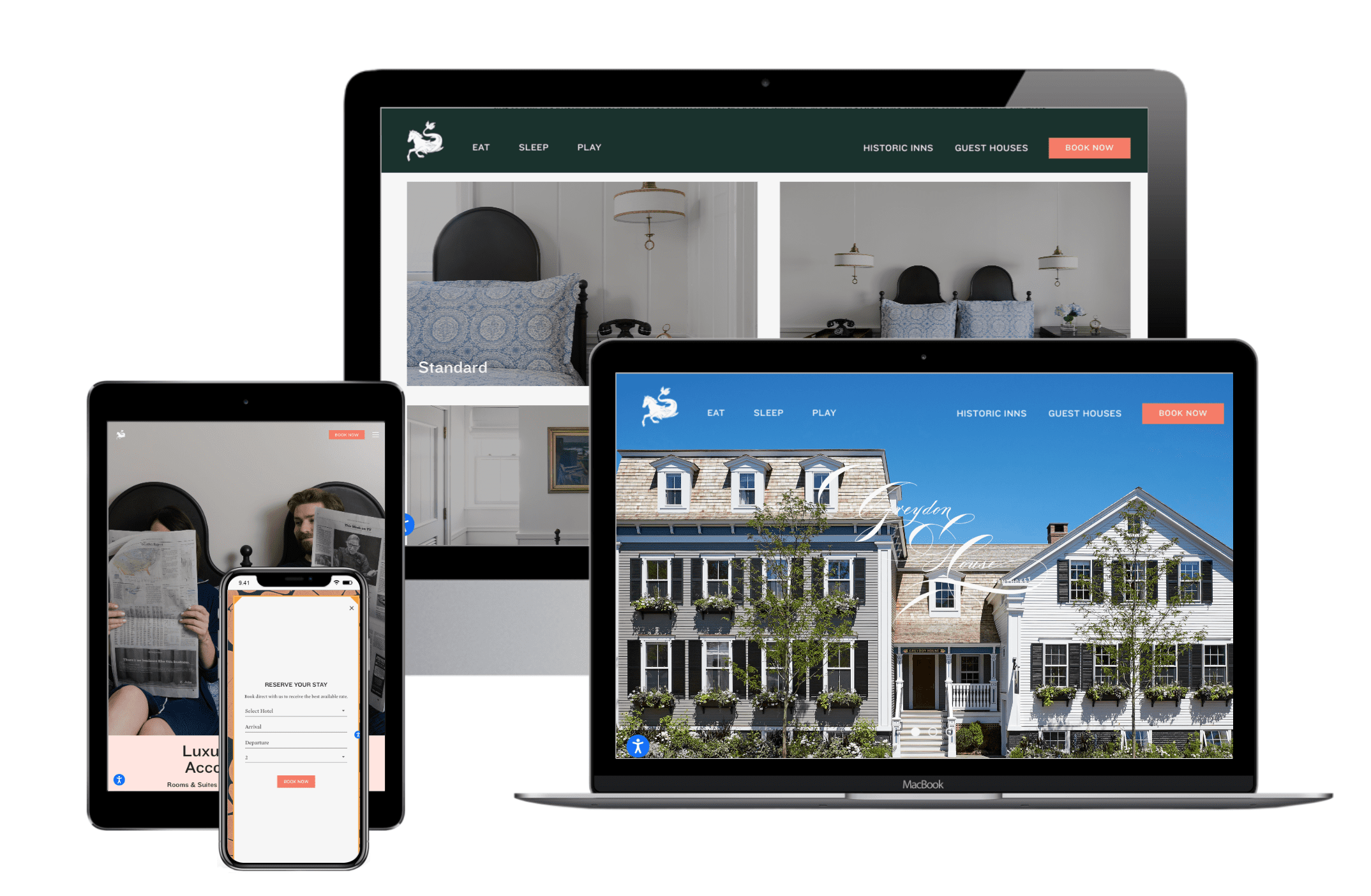
Greydon House website by ELMNTL with strong CTA to Book Now
A/B Testing
A/B testing is a simple concept but can be complicated in practice. Essentially, A/B testing is comparing two items to see which performs better. In marketing, this could be two website landing pages. A single landing page would have one variable changed to test the update’s impact. The variable could be to test an updated hero image, a new headline font treatment, or the color or wording of your CTA. These landing pages would then be compared against each other after a specific time frame to evaluate performance, and the page that performs worse would be eliminated.
From there, you can use your learnings from your A/B tests to create new campaign landing pages that follow a similar format now that you know the secret sauce.
Measure Your Success
Measuring your success with analytics data is the best way to know if your CRO is working. Tools such as Google Analytics can help you find this information. You can calculate your conversion rate in Google Analytics by dividing the number of conversions by the number of visitors to your site and multiplying by 100, or you can leave the math to your marketing team and focus on other important aspects of your business.
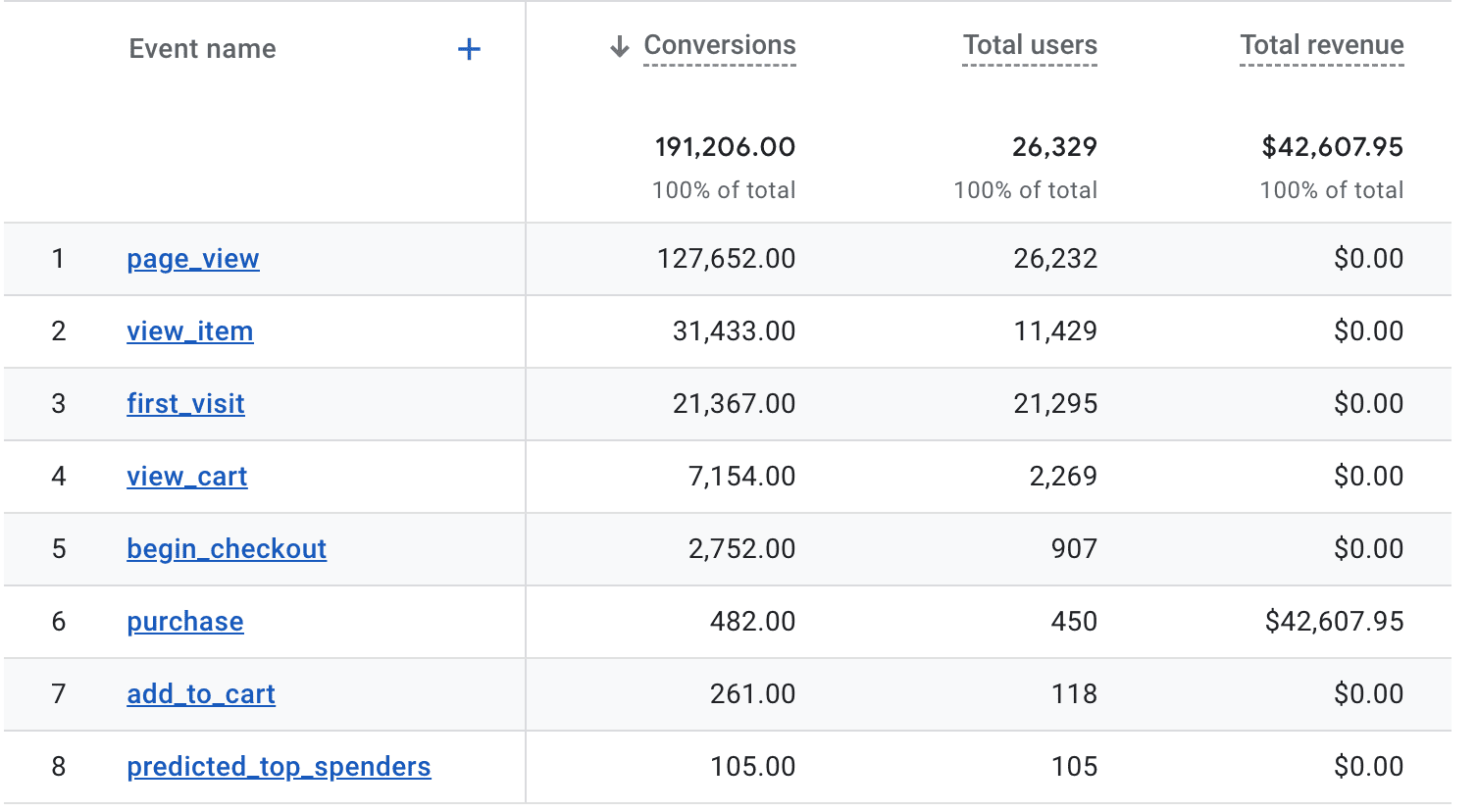
Example conversions in Google Analytics show a purchase conversion rate of 1.83 – (482 / 26,329) x 100 = 1.83%
Adjust As Needed
No CRO strategy is static, meaning it must be adjusted periodically. Whether your customers change, your products or services change, or your website simply stops performing as well. Adjustments may be necessary to keep your CRO strategy chugging along. This is why we recommend switching up your advertising and landing pages to keep up with the changes.
There’s No ‘I’ In Teamwork
At ELMNTL, one of our core values is “There’s no ‘I’ in teamwork,’ and that’s never more true than when it comes to CRO. Why go it alone when the marketing team at ELMNTL is here to help?
We can create engaging content and eye-catching web design to help optimize your conversion rates and gain new followers and customers for your business. Don’t go it alone! Contact the marketing team at ELMNTL today!
The post Tips For Optimizing Your Website For Conversions first appeared on ELMNTL.
]]>