The post The Ultimate SEO Website Redesign Checklist first appeared on ELMNTL.
]]>
Before embarking on a website redesign, it’s crucial to assess your current SEO standings. Gather the following information and analyze your website’s current scenario:
- website’s traffic
- keyword rankings
- backlink profile
- Content quality
- User engagement (bounce rate, page views per sessions, average session duration)
- Website load speed
- Mobile responsiveness
Use tools like Google Analytics and Search Console to identify what’s working and pinpoint areas that need improvement. If you don’t know how to find this information, no worries. Our team is here to help. You can request a free SEO Audit here!
Understanding your website’s SEO performance sets a benchmark for comparison after the redesign.
Planning for SEO from the Ground Up
A successful SEO strategy always begins with planning. Here are a few bullet points to help you get started:
- Ensure your website’s structure is intuitive and reflects the user’s search intent.
- Create an SEO roadmap
- Do a keyword research
- Create a site hierarchy and metadata strategy.
Align these elements with your business goals and user needs to ensure that the new design is not only visually appealing but also optimized for search engines.
On the technical side, it is important to check on schema markup, canonical tags, and XML sitemaps. These elements help search engines understand and index your website more effectively. Additionally, plan for mobile-first design since Google predominantly uses the mobile version of the content for indexing and ranking.
Ensuring Seamless URL Migrations
During a redesign, URL structure often changes, which can significantly affect SEO if not handled correctly. Develop a URL migration plan to ensure that all old URLs are properly redirected to the new ones using 301 redirects. This preserves link equity and prevents 404 errors, which can harm your SEO performance.
Map out all existing URLs and determine the corresponding new URLs. Use a redirection plugin or modify your .htaccess file if you’re comfortable with code. Remember to update your internal links to point to the new URLs to maintain a good site structure. Post-launch, regularly check for crawl errors in Google Search Console to fix any broken links promptly.
Optimizing Content and Structure for SEO
Content is the cornerstone of SEO. As part of your redesign, review your website’s content and identify opportunities to optimize your content for relevance, quality, and keyword optimization. Here are a few areas to get you started:
- Ensure your headings, titles, and meta descriptions incorporate targeted keywords and accurately reflect the page content.
- Use breadcrumb navigation and logical URL hierarchy. Structurally, your website should facilitate easy navigation for both users and search engine crawlers.
- Optimize images with descriptive ALT tags and compress them for faster loading times.
- Ensure that your website is ADA-compliant to enhance usability for all visitors.
Testing and Monitoring Post-Launch SEO Impact
After launching your redesigned website, it’s imperative to monitor its SEO performance closely. Track the same metrics you assessed before the redesign and compare them to understand the impact of the changes. Look for improvements in rankings, organic traffic, and user engagement.
Utilize A/B testing for different elements such as page layouts, call-to-action buttons, and meta tags to find what works best for your audience. Continuously analyze and refine your SEO strategy based on data-driven insights. Regularly update your content and stay informed about the latest SEO trends and algorithm updates to maintain and improve your search engine rankings over time.
Looking for SEO Experts?
At ELMNTL, we specialize in transforming your website to achieve optimal SEO, Paid Ads, and technical performance. Ready to elevate your online presence with a redesign? Start with a FREE SEO Audit from our expert team. Our SEO specialists are eager to connect with you and strategize the perfect roadmap to your digital success.
The post The Ultimate SEO Website Redesign Checklist first appeared on ELMNTL.
]]>The post Boosting Conversion Rates with SEO Strategies first appeared on ELMNTL.
]]>Understanding the Impact of SEO on Conversion Rates
SEO plays a crucial role in boosting conversion rates for businesses. By implementing effective SEO strategies, businesses can improve their visibility on search engine result pages (SERPs), which in turn increases the chances of attracting potential customers. When a website appears on the top positions of SERPs, it establishes credibility and trustworthiness, leading to higher conversion rates.
Moreover, SEO helps businesses understand the preferences and behavior of their target audience. By analyzing search trends and keyword data, businesses can optimize their content to align with the interests of their potential customers. This targeted approach increases the likelihood of conversions and drives qualified traffic to the website, making a SEO an essential online marketing tool for every business.
Optimizing Keywords for Targeted Traffic
One of the key aspects of SEO as a marketing strategy is optimizing keywords to attract targeted traffic. By conducting thorough keyword research, businesses can identify the specific terms and phrases that their target audience is using to search for products or services. By incorporating these keywords strategically into their content, businesses can increase their visibility in relevant search results.
Additionally, optimizing keywords helps businesses attract high-intent traffic. When users search for specific keywords related to a business’s offerings, it indicates their interest and readiness to make a purchase. By targeting these keywords, businesses can drive qualified traffic to their website and boost conversion rates.
Improving User Experience with SEO Techniques
SEO techniques not only improve a website’s visibility but also enhance the user experience. Whether you have a customer website design or are using a template, a website that is optimized for SEO loads faster, has intuitive navigation, and provides relevant and valuable content to users. These factors contribute to a positive user experience, which in turn increases the chances of conversions.
Furthermore, SEO techniques such as mobile optimization ensure that a website is easily accessible and usable on different devices. With the increasing use of smartphones and tablets, businesses need to ensure that their website is mobile-friendly to cater to the preferences of their target audience. By providing a seamless user experience across devices, businesses can drive conversions and improve their bottom line.
Leveraging Local SEO for Increased Conversions
For businesses targeting local customers, leveraging local SEO strategies is crucial. Local SEO helps businesses optimize their online presence to attract customers in their specific geographic area. By optimizing their website and online listings with location-specific keywords and information, businesses can increase their visibility in local search results.
Moreover, local SEO helps businesses build trust and credibility within their local community. When users search for products or services in their area and find a local business that appears prominently in the search results, they are more likely to trust and choose that business. This trust translates into higher conversion rates and increased revenue for businesses.
Measuring Success Through Analytics and Monitoring
To truly understand the impact of SEO on conversion rates, start measuring the success of your company’s website through analytics and monitoring. By using tools like Google Analytics, you can easily track important metrics such as website traffic, bounce rate, and conversion rate. These insights will provide valuable information on the effectiveness of your current SEO strategies and help identify areas for improvement.
Not sure how to start monitoring your website performance?
Get in touch with our team to get a FREE SEO AND WEBSITE AUDIT to start optimizing your business’s SEO efforts and continuously improve your website’s conversion rates.
The post Boosting Conversion Rates with SEO Strategies first appeared on ELMNTL.
]]>The post Building Audiences for Destination Marketing first appeared on ELMNTL.
]]>Destination marketing lets travelers know what they can expect when they visit your location, but for it to work, you need an audience. So, how do you build an audience for your destination that will translate to an increase in visitors? Here are a few ways that you can attract new audiences and generate a genuine interest in your location.
Define Your Target Audience
The first step to building an audience for your destination is to understand who your ideal visitor is. Whether it’s a specific age group like Gen Z, people with a specific income level, or even a specific type of sports enthusiast like surfers or hikers, you need to clearly define who your target audience is before you can attract them.
Create Compelling Content
Once you have defined your target audience, it’s time to woo them with high-quality content that showcases your location’s unique attributes. Do you have ski resorts? Museums? Historic landmarks? Be sure to feature these locations in your content.
Content can include everything from videos, photos, articles, and user-generated content (UGC).
ELMNTL client The Tourism Authority of Thailand (TAT) has something for everyone. With historic temples, stunning beaches, and lush rainforests, Thailand has no shortage of material for compelling content. Our strategy for TAT includes a mix of stunning photos, informative captions, blogs, influencer content, and even executing an epic annual festival!

Optimize For Search Engines (SEO)
You want people to find your website, so be sure that both your website and its content are optimized for relevant keywords related to your destination. This will help you rank higher in search engine results and boost your visibility.
Utilize Social Media
With an estimated 4.9 billion people worldwide using social media in 2023, social media itself has become a keen marketing tool that every destination should have in their marketing toolbox.
Social media can be used to engage with travelers on sites like TikTok, Instagram, and Facebook. You can share photos, UGC, and useful captions that talk about the unique attributes of your location and educate would-be visitors about your location.
ELMNTL client the Association of Southeast Asian Nations (ASEAN) uses social media to showcase highlights of their ten member nations. Their strategy includes sharing UGC, social media posts, and interacting with followers through post comments and direct messages. They even host weekly “Trivia Tuesday” and “Would You Rather?” posts to have a little fun and interact with their Instagram followers.

Collaborate With Influencers
Partnering up with influencers or travel bloggers in the demographic of your target audience is another way to attract new followers. Invite influencers to experience your destination and share their experiences with their followers, and then share their content with yours!
Leverage Email Marketing
Develop a list of email subscribers interested in your destination. Send regular newsletters with updates, special offers, and insider tips to help encourage your readers to stay engaged and make return visits to your destination.
Host Events and Promotions
Organize special events, promotions, and contests to create a buzz and attract more visitors to your destination. These can include everything from festivals to giveaways to photo contests to exclusive discounts.
Each year, ELMNTL client TAT hosts the Amazing Thailand Festival, a weekend-long celebration of all things Thai Culture in the heart of NYC. In 2023, the Amazing Thai Festival was held at The Oculus in Manhattan. The festival featured Thai restaurants, traditional dance demonstrations, Muay Thai demonstrations, and a variety of vendors selling authentic Thai goods. The event was open to the public and shared a bit of Thai culture with patrons looking to learn more about the Land of Smiles.
Encourage User-Generated Content (UGC)
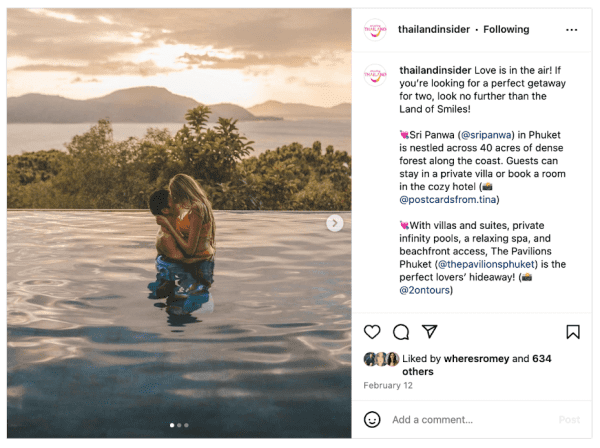
Encourage people who visit your destination to share their experiences on social media with branded hashtags. Repost their content on your own channels, and engage with the author and your followers to help foster a sense of community and authenticity surrounding your destination.
Run Targeted Advertising Campaigns
Paid advertising is an absolute must, but be sure to utilize advertising on a variety of platforms like Google Ads, Facebook Ads, and Instagram Ads. You can set targeting parameters like demographics, interests, and even online behaviors.
Partner With Local Businesses and Organizations
Collaborate with local hotels, restaurants, tour operators, and attractions to help cross-promote each other and entice would-be visitors to your destination. This will help expand your reach and provide added value to your visitors.
Engage With Travel Communities
To get some word-of-mouth exposure, participate in online travel forums, groups, or communities where travelers discuss destinations. Provide helpful information, answer user questions, and showcase what makes your destination special and unique.
Monitor and Analyze Your Performance
To be sure your destination marketing is effective, you’ll need to track the performance of your marketing. This includes monitoring your website traffic, your social media engagement, and other key metrics to better understand what strategies are working best for your marketing campaign. Then you can adjust your approach if and when needed so you’re always getting the most out of your campaign.
But don’t let the analysis of your campaign overwhelm you. At ELMNTL, our team of marketing experts can help you by not just running your destination marketing campaigns, but also by monitoring and analyzing the results of those campaigns and making necessary adjustments.
Remember, by implementing these strategies consistently and making adjustments as the market -and your audience- changes, you can effectively grow and engage a loyal audience for your destination marketing campaigns.
Ready to propel your destination forward? Contact us today! Let’s show travelers what they’re missing.
The post Building Audiences for Destination Marketing first appeared on ELMNTL.
]]>