The post The Ultimate Guide to Building a Strong Brand Identity first appeared on ELMNTL.
]]>
In this blog post, we’ll explore the crucial steps and strategies involved in creating a unique brand identity that resonates with your audience, drives engagement, and fosters loyalty. From understanding your target audience to ensuring consistency across all platforms, we’ll guide you through the process of building a brand that leaves a lasting impression.
Understanding Your Target Audience
Who Are They?
The foundation of any successful brand identity lies in a deep understanding of your target audience. Start by researching and analyzing their demographics, preferences, and behaviors. Are they young professionals, busy parents, or tech-savvy teenagers? Knowing who your audience is will help you tailor your brand to meet their specific needs and desires.
What Are Their Interests?
Delve into the interests and hobbies of your target audience. What do they enjoy doing in their free time? What kind of content do they consume? By aligning your brand with their interests, you can create a more relatable and engaging identity that captures their attention.
What Problems Do They Face?
Identifying the challenges and pain points your audience faces is key to positioning your brand as a solution provider. Whether it’s a lack of convenient meal options or the need for eco-friendly products, understanding these problems allows you to address them directly through your brand messaging and offerings.
How Can Your Brand Address Their Needs?
Once you have a clear picture of who your audience is and what they need, think about how your brand can fulfill those needs. Develop a value proposition that highlights the benefits and solutions your brand offers, ensuring it aligns with the desires and expectations of your audience.
Defining Your Brand Values and Personality
Establishing Brand Values
Your brand values represent the core principles and beliefs that guide your business decisions and actions. Consider what matters most to your brand. Do you prioritize innovation, sustainability, or exceptional customer service? Clearly defined values will help you create a brand identity that is authentic and meaningful.
Crafting a Brand Personality
Your brand personality humanizes your business, making it more relatable and approachable to your audience. Is your brand playful and fun, professional and authoritative, or warm and friendly? Choose a personality that reflects your values and resonates with your target audience, creating an emotional connection that fosters loyalty.
Designing Your Visual Brand Identity
Logo Design
A memorable logo is a cornerstone of your visual brand identity. It should be simple, versatile, and representative of your brand’s essence. Think about iconic logos like Apple’s apple or Nike’s swoosh—these designs are instantly recognizable and convey the brand’s identity in a powerful way.
Color Palette
Colors evoke emotions and can significantly influence how your brand is perceived. Choose a color palette that aligns with your brand values and personality. For example, McDonald’s uses red and yellow to evoke feelings of excitement and warmth, while also stimulating appetite.
Typography
Fonts play a crucial role in conveying your brand’s personality. Whether you opt for a sleek, modern typeface or a more traditional serif font, ensure it is readable and consistent across all platforms. Your typography should complement your overall visual identity and enhance brand recognition.
Imagery
The images you use in your branding should reflect your brand values and resonate with your audience. Whether it’s high-quality product photos, lifestyle imagery, or illustrative graphics, choose visuals that tell your brand’s story and create a cohesive look and feel.
Example:
A well-known example is McDonald’s. As a fast food restaurant, McDonald’s purposely chose red and yellow to lead their brand identity.

Not only are they warm colors that evoke “passion” and “warmth”, but the colors are also psychologically known to stimulate the appetite and increase blood circulation/heart rate. All of these characteristics were chosen to evoke the desired emotions on the fast food consumer.
Creating Consistency Across All Platforms
Visual Consistency
Ensure that your brand’s visual elements are consistent across all touch points, from your website and social media profiles to your marketing materials and packaging. This consistency helps build trust and familiarity with your audience.
Messaging Consistency
Your brand’s voice and tone should remain consistent in all communications. Whether you’re crafting a social media post, writing a blog, or responding to customer inquiries, your messaging should reflect your brand personality and values.
Customer Experience
Consistency also extends to the customer experience. Ensure that your customers receive the same level of service and quality every time they interact with your brand. A positive, consistent experience fosters trust and loyalty.
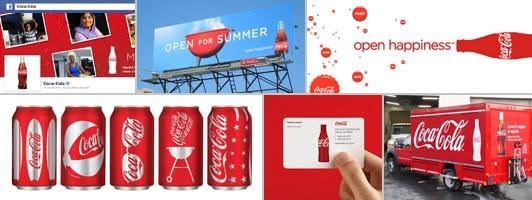
Brand Consistency Example: Coca-Cola
Evaluating and Evolving Your Brand Identity
Regular Assessment
Brand identity is not static; it should evolve with your business and market trends. Regularly evaluate your brand’s performance by measuring key metrics such as brand awareness, customer perception, and market share. Use surveys, focus groups, and social listening to gather feedback from your audience.
Adapting to Change
Based on the insights you gather, be prepared to adapt your brand identity to stay relevant. This might involve updating your visual identity, refining your messaging, or repositioning your brand to better meet the needs of your target audience.
Conclusion
Creating a unique brand identity is a multifaceted process that requires a deep understanding of your audience, a clear definition of your brand values and personality, a cohesive visual identity, and consistent implementation across all platforms.
By regularly evaluating and evolving your brand, you can ensure it remains relevant and continues to resonate with your audience. Start your branding journey with confidence, and let ELMNTL help you in crafting your brand’s identity.
As a trusted Full-Service Branding Agency, we are here to guide you through the next steps, ensuring you build a brand that stands out and makes a lasting impact.
So why wait? Contact us today and take the first step towards a remarkable brand identity.
The post The Ultimate Guide to Building a Strong Brand Identity first appeared on ELMNTL.
]]>The post Building a Strong Business Identity: Going Beyond the Logo first appeared on ELMNTL.
]]>The Foundation: Defining Your Brand’s Essence
At the heart of every successful brand lies a clear understanding of its core values and mission. This is the foundation upon which all branding efforts rest. Before designing a logo or crafting marketing campaigns, take the time to define what your brand stands for.
Consider the emotions and perceptions you wish to evoke in your audience. Are you a brand known for reliability and trustworthiness? Or perhaps innovation and cutting-edge solutions are your hallmark. Whatever it may be, this essence should permeate every aspect of your brand—from the products or services you offer to the way you communicate with customers.
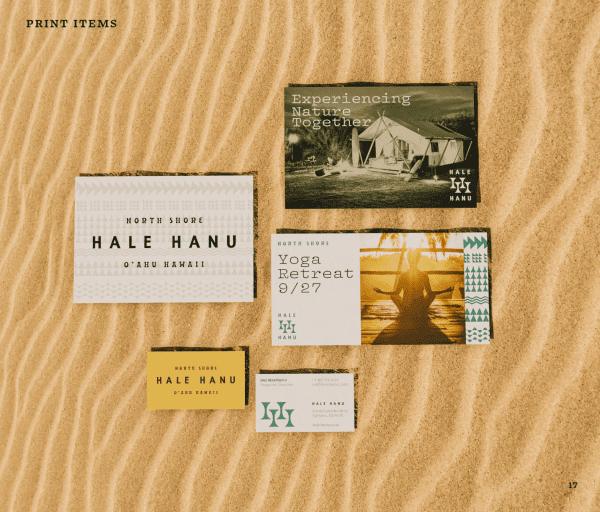
We designed a logo for Hale Hanu, a Turtle Bay Resorts brand where we were able to bring out the brand’s essence with the logo design and collaterals. In order for us to design this logo, their identity had to be established.


The Logo: A Symbol of Identity
While the logo is undeniably important, it is just a single piece of the larger branding puzzle. Think of it as the visual representation of your brand’s identity—a symbol that should instantly evoke recognition and association.
When designing your logo, ensure it aligns with your brand’s values and appeals to your target audience. From the choice of colors to the typography, each element should convey the essence of your brand. Remember, a well-designed logo can communicate volumes about your business before a single word is spoken.
Take the Apple logo for example – it is a globally recognizable logo, whether someone uses Apple products or not. It has a clean, simple design, and its uniqueness lies in the fact that the image isn’t directly related to technology.

Crafting a Compelling Brand Story
Behind every successful brand lies a compelling story- one that resonates with its audience and establishes an emotional connection. Your brand story should articulate the journey, values, and aspirations that set your business apart.
Share anecdotes of inspiration, the challenges overcome, and the driving force behind your brand’s existence. This narrative humanizes your brand, making it relatable and memorable. A well-crafted brand story not only engages customers but also creates brand advocates who are eager to share your tale.
Canva.com is one of our favorite examples.
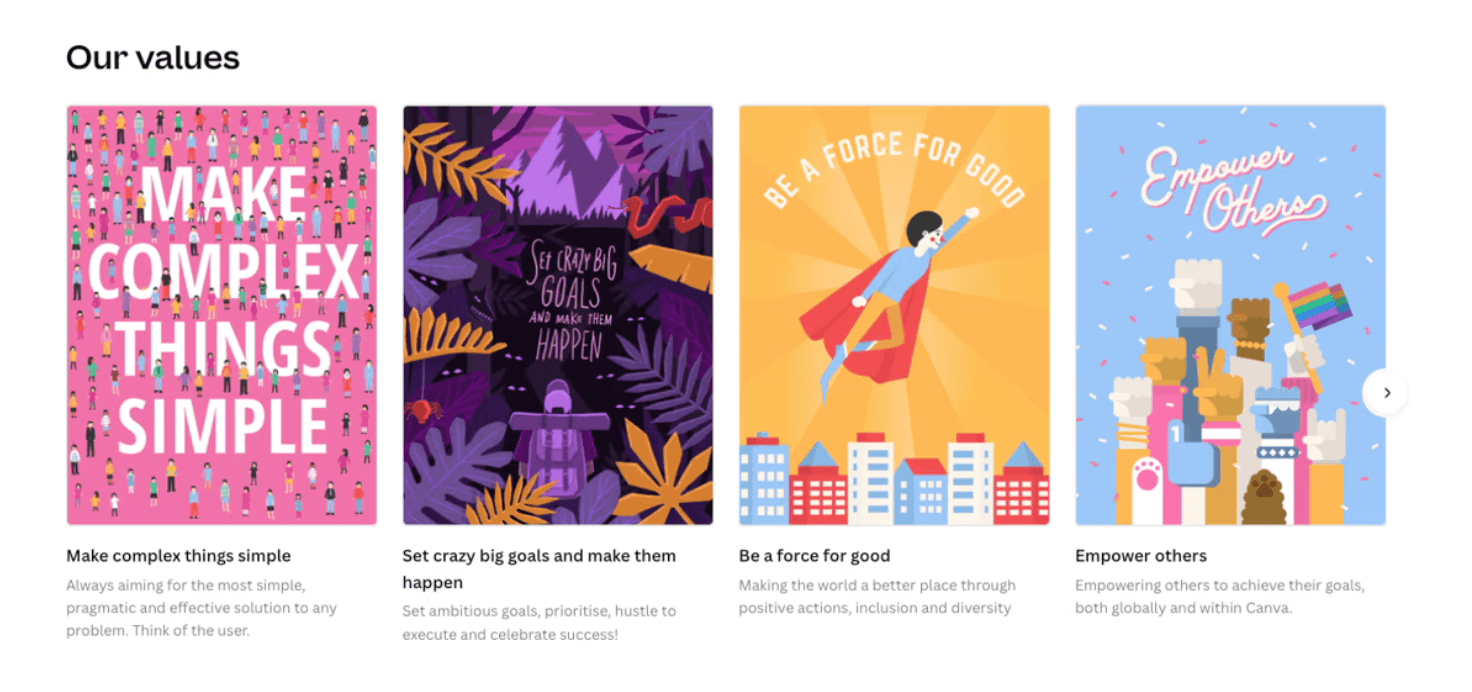
Their product goal is to make graphic design accessible to everyone- not just graphic design professionals. They dumb down the design complexity (“Make Complex Things Simple”) and tell a “You can do it!” narrative that empowers people to achieve both their design and personal goals.
Differentiation in a Crowded Market
In a world brimming with competitors vying for attention, differentiation is key to standing out. Identify what sets your brand apart from the rest and leverage it as a unique selling proposition.
Whether it’s superior quality, unrivaled customer service, or a niche market focus, highlight your strengths. Emphasize what makes your brand special, and communicate this distinctiveness consistently across all channels. In a sea of options, be the beacon that guides customers to choose you.
The Role of a Marketing Agency
Crafting a cohesive and impactful brand identity requires expertise and a keen understanding of marketing. This is where a reputable marketing agency can be an invaluable partner for your business. Agencies specializing in branding bring a wealth of knowledge in consumer behavior, market trends, and creative strategy.
By collaborating with a marketing agency, businesses can benefit from tailored brand strategies, expertly crafted messaging, and innovative design solutions. From conducting market research to developing comprehensive branding campaigns, an agency can guide businesses on the path to establishing a strong and enduring brand identity.
Why Hire an Agency?
The decision to hire a marketing agency boils down to one simple truth: expertise. While business owners may possess a deep understanding of their products or services, navigating the complexities of branding requires a specialized skill set. A marketing agency brings a fresh perspective, industry insights, and the creative firepower needed to elevate your brand above the competition.
Furthermore, outsourcing branding efforts to an agency allows businesses to focus on their core operations. With professionals at the helm of your branding initiatives, you can rest assured that every aspect—from logo design to brand messaging—is expertly handled. In a fast-paced and competitive business landscape, investing in a marketing agency can be the difference between blending in and standing out.
Conclusion: The Power of Brand Identity
In conclusion, building a strong business identity extends far beyond the creation of a logo. It is a strategic endeavor that encompasses the essence of your brand, the consistency of your messaging, and the emotional connection with your audience.
By defining your brand’s values, crafting a compelling story, and delivering exceptional customer experiences, you lay the groundwork for enduring success. Remember, your brand is not merely what you say it is—it is what your customers perceive and believe.
As you navigate the ever-changing landscape of business, let ELMNTL assist you in finding your brand’s voice, and crafting your brand’s identity. With clarity of purpose and consistency of expression, your brand will form a unique identity that is instantly recognizable to your customers.
Contact us today for a branding quote or a quick chat on your branding needs!
The post Building a Strong Business Identity: Going Beyond the Logo first appeared on ELMNTL.
]]>The post Why We Chose to Rebrand: A Letter From Our CEO first appeared on ELMNTL.
]]>As the markets we serve evolve, our mission is to make sure our brand allows us to effectively communicate an image that signals to customers that we are attuned to current trends, committed to innovation and obsessed with performance.
Introducing the ELMNTL “Explorer”.
Our new theme involves a strategic and creative transformation that reflects our agency’s commitment to adventure, curiosity and the pursuit of uncharted territories within the marketing landscape. It’s about signifying our approach to explore new ideas, strategies, and methods to deliver greater performance for our clients. It reflects ELMNTL’s heritage as a trailblazer, guiding our clients through the complex marketing terrain with a spirit of adventure and expertise.
Visually, our rebrand incorporates elements that evoke a sense of exploration, such as attributes of the compass and topographic maps, highlighted with images of iconic landscapes. The color palette draws inspiration from earthy tones, reminiscent of undiscovered lands and the natural world. The logo has been redesigned to symbolize a journey or discovery, integrating an icon that conveys forward movement and momentum.
But our branding initiative isn’t just for the market. Equally as important is what it inspires internally for our agency. The “Explorer” exemplifies our emphasis on fostering a culture of continuous learning and experimentation. This rebranding empowers our employees to embrace a mindset of exploration, encouraging them to think outside the box and push the boundaries of conventional marketing practices.
Because at our core, we are more than just marketers…
We are storytellers.
We are explorers.
Let us tell your story.

Ron Vernon
CEO and Managing Partner
The post Why We Chose to Rebrand: A Letter From Our CEO first appeared on ELMNTL.
]]>The post The Importance of Branding In Today’s Digital Age first appeared on ELMNTL.
]]>How do you differentiate your business from the cacophony of competitors vying to be seen and heard by your customers? It’s all about branding. In today’s digital age, customers’ attention is being pulled in a hundred directions. That’s why it’s essential to stand out from the crowd, and having a solid brand can give you a competitive edge.
So, why is branding so important? Here are some reasons why you need branding to market your business in a world gone digital effectively.
Brand Recognition
What do brands like Coca-Cola, Nike, Mcdonald’s, and Apple all have in common? Brand recognition. When you see the Nike Swoosh, McDonald’s characters, or Golden Arches, you instantly know which brand you’re seeing. This is no coincidence. These businesses have spent decades building their brand into something instantly recognizable by consumers.
By creating brand recognition, your customers can easily connect with your brand. It fosters trust and loyalty, making them more likely to choose your brand over the competition.
Take a look at McDonald’s. They’ve nailed the art of using familiar and friendly characters to create an unforgettable brand. From Ronald McDonald and Grimace (Happy Belated Birthday!) to those iconic Golden Arches, they’ve built amazing recognition over the years. No wonder people feel nostalgic and keep returning for that heartwarming experience!
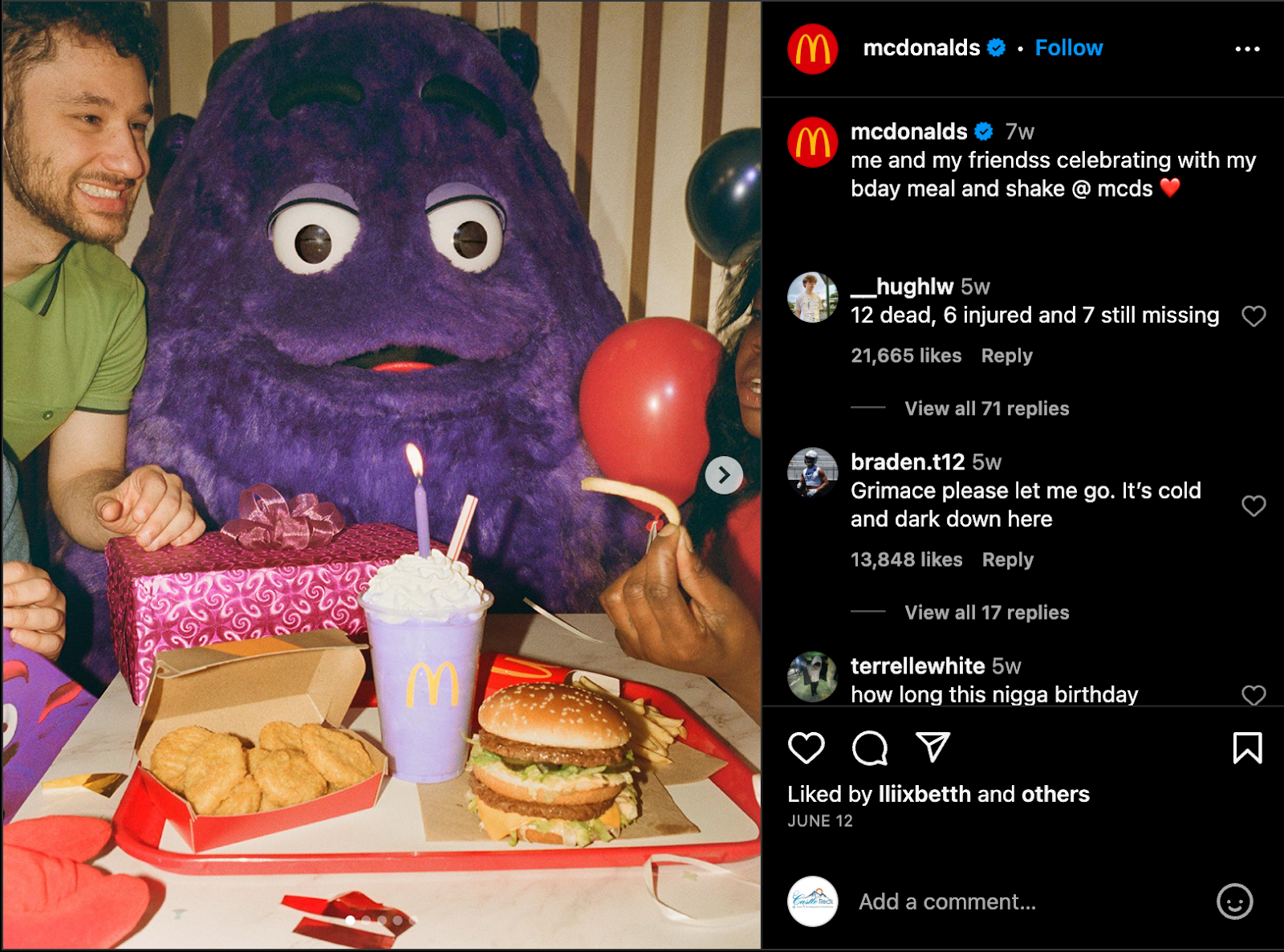
McDonald’s uses their character, like Grimace, to create brand recognition
Credibility and Trust
By defining your brand, you are developing a reputation for your business that your customers can trust. Customers who trust your brand are likelier to buy from you, especially with so many scams and bad products vying for their hard-earned money. In fact, 83 percent of customers say that loyalty to a brand is created by trust.
Online Presence
With 81 percent of customers going online to research a purchase before buying, having a presence online is imperative for your business. This means you must have a robust online presence on social media, search engines, and your user-friendly website.
Emotional Connection
You must create an emotional connection between you and your target audience to brand your business successfully. This means you need to understand that audience. What are their values? Why do they need your product?
Creating an emotional connection to your brand can increase brand loyalty and encourage repeat business. Better still, knowing your audience can help you craft marketing messages that help increase your brand awareness, earning you new customers, too.
For example, the ASPCA uses powerful images and real-life stories of rescued pets to evoke an emotional response in their followers.

ASPCA creates an emotional connection with their followers
Customer Engagement
A great way to get customers to trust your brand is through digital marketing to interact with them. Social media, blogs, and email marketing are all ways to interact with your customers. Engaging your customers on social media can generate meaningful conversations, address customer concerns, and even gather valuable information that you can use to improve your products, services, and marketing efforts.
Storytelling
Your brand story is an integral part of marketing your business, and using digital platforms to tell that story offers the perfect opportunity to share it.
Your brand story tells your business’s mission and values and makes your brand more relatable to consumers. A brand story goes beyond just showcasing your product or service; it tells who you are and sets the tone for how you want to be perceived.
ELMNTL client, Tourism Authority of Thailand, uses striking images and historical facts to educate their audience about Thailand on social media. By telling the story of Thailand, they keep their audience engaged and excited to learn more about this fascinating vacation destination.
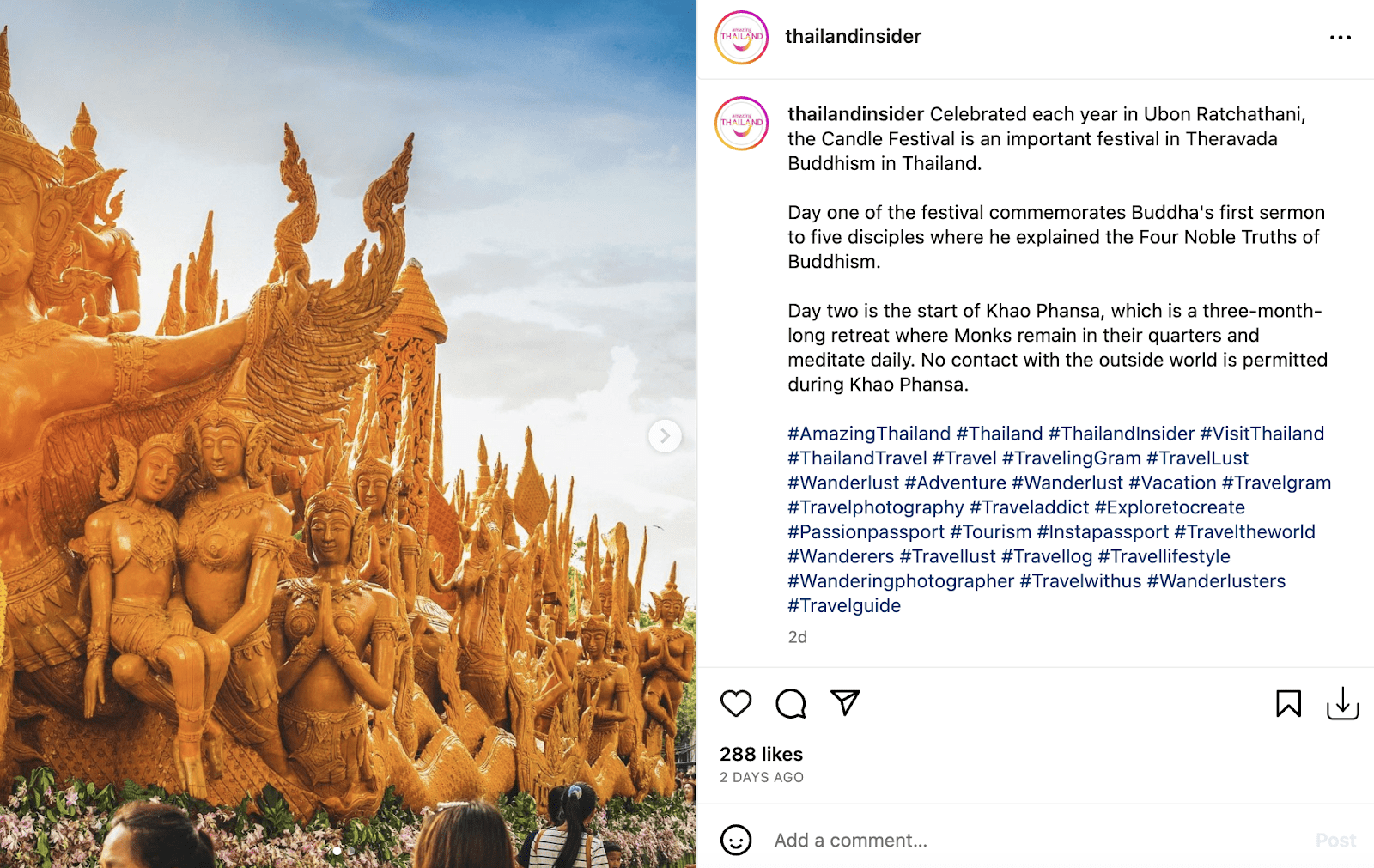
Thailand Insider’s social media uses storytelling to promote their destination
Flexibility
With the digital landscape constantly changing, some brands must pivot their strategies to keep up with the changes. With a strong brand you may be less likely to need to change things to stay ahead of the curve, but always be prepared for change.
Whether it’s to switch things up to accommodate changes in your business model, to keep pace with customer feedback, to expand your marketing to be more diverse, or to add in fun elements to your marketing like UGC or influencers (see below), be prepared to adjust your game plan when and if necessary.
Influencer Marketing and UGC
Using UGC (user-generated content) and influencers to help market your business shows your customers that others trust your brand and thus can be trusted by them. UGC is a great way to use word-of-mouth marketing to your benefit. In fact, studies have shown that 79 percent of people find UGC helpful in their buying decisions. Similarly, influencers are voices that your demographic already knows and trusts and their opinions can hold a lot of weight in consumer decision-making.
ELMNTL paired with Flip.to to help our client, The Halal Guys, create an influencer and UGC marketing campaign to celebrate their 100th store, where fans of the fast-casual restaurant could upload photos and videos of their happy experiences at their local Halal Guys restaurant. Users who entered received a complimentary Halal Guys platter and could share their submissions to encourage extra votes.
ELMNTL also used influencers to promote the contest by extending its reach to their users, helping encourage word of mouth about the contest and the delicious food Halal Guys has become famous for.
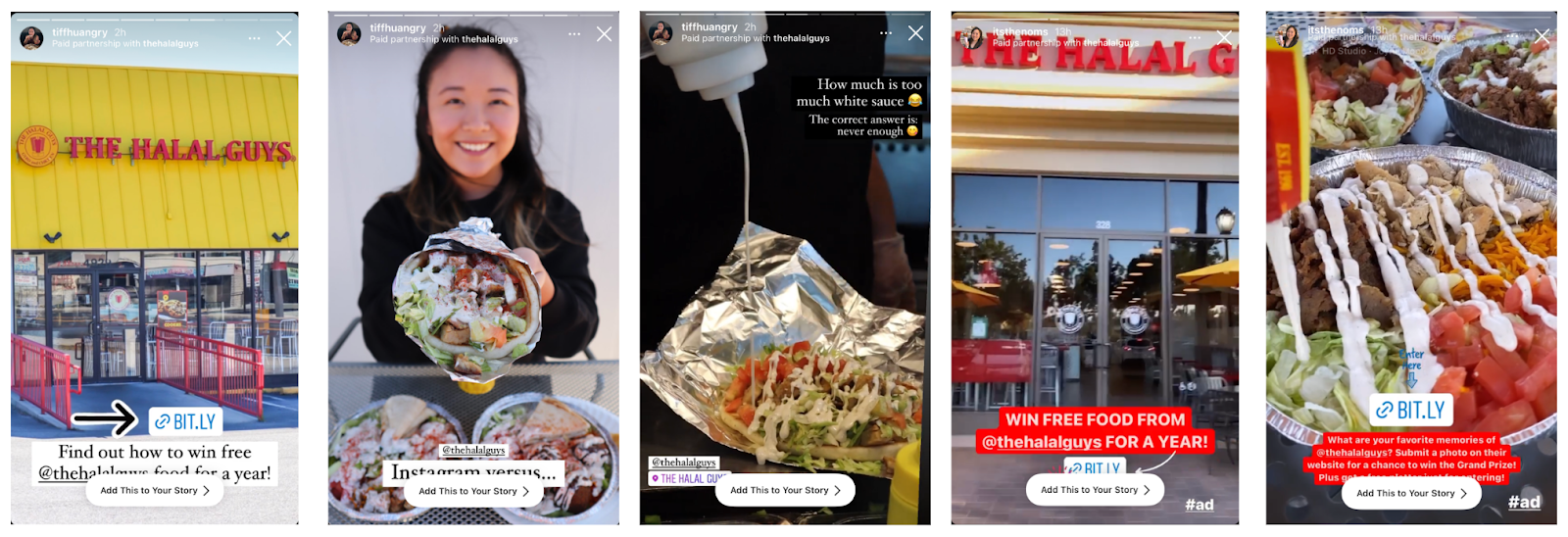
Example influencer social media posts for The Halal Guys 100 Stores campaign
Competitive Advantage
When your brand is ironclad, it is harder for competitors to steal your customers and prevent you from growing it because your customers will have already earned your loyalty.
Business Growth
As your branding becomes more recognizable and you earn your customer’s trust, your business will have more growth opportunities. This can open the door to collaborations, partnerships, and increased sales.
In Conclusion
As you can see, branding is one of the most important things you can do for your business. Branding helps your customers understand not just the purpose of your business but its values and mission.
A good brand story helps earn the trust of your customers and create an emotional connection to your product that will keep your customers loyal to your brand and help encourage repeat business and word-of-mouth growth.
As technology advances, having a solid brand identity’s never been more critical. While it’s impossible to know what the future holds, having a strong brand voice can help your business navigate the changes in the digital landscape.
To prepare your business for the digital age, contact the branding experts at ELMNTL today.
The post The Importance of Branding In Today’s Digital Age first appeared on ELMNTL.
]]>The post Embracing Change: 7 Ways Brands Can Adapt and Stay Relevant in the Digital Age first appeared on ELMNTL.
]]>But fret not! We’ve got your back with some awesome ideas to help your brand shine bright in the competitive marketplace. So, buckle up, and let’s dive into the world of brand relevance!
Embrace Authentic Storytelling
Gone are the days of generic advertisements and impersonal marketing. Consumers nowadays crave authentic storytelling in marketing that resonates with their emotions. As a brand, you have a golden opportunity to leverage your legacy and history to connect with your audience on a personal level.
Take the example of Nike’s “Dream Crazy” campaign featuring Colin Kaepernick. By taking a stand on social issues, Nike strengthened its bond with a new generation of consumers, proving that authenticity can lead to enduring relevance.
Nike’s “Dream Crazy” campaign featuring Colin Kaepernick
Adopt Sustainable Practices
In the age of eco-conscious consumers, brands that prioritize sustainability are winning hearts and wallets. Embrace green initiatives, like sourcing eco-friendly materials, reducing carbon footprints, or supporting charitable causes aligned with environmental preservation.
Patagonia, a prominent outdoor clothing brand, stands out for its commitment to environmental sustainability. By placing the environment at the core of their brand, they have earned the loyalty of a dedicated customer base.
Patagonia stands out for its commitment to sustainability
Leverage Influencer Marketing
Influencers have become the rockstars of the digital age, and partnering with the right influencers can skyrocket your brand’s relevance. Collaborate with authentic influencers who align with your brand’s values and have a genuine connection with your target audience.
When Fenty Beauty recently teamed up with beauty influencer Jazzelle Zanaughtti, their launch reached tens of thousands of potential customers in just one week, fostering a sense of authenticity and trust in their products.
Fenty Beauty partnership with beauty influencer Jazzelle Zanaughtti
Embrace User-Generated Content (UGC)
Your customers are your best brand advocates. Encourage them to create and share content featuring your products or services. UGC not only helps in building a sense of community but also enhances your brand’s credibility.
Airbnb’s “Made Possible By Hosts” campaign celebrated the travel experiences of their customers post-COVID, turning them into brand ambassadors and reinforcing their position as a game-changer in the hospitality industry. The most viewed video of the campaign, Forever Young, features simple photos of friends on a vacation that comes off as relatable and resulted in the brand earning 7.5M views.
Airbnb Commercial Forever Young video for the “Made Possible By Hosts” campaign
Stay Ahead of Tech Trends
As a brand, keeping up with technology is crucial to remain relevant. Invest in innovative solutions such as AI-powered chatbots for customer support, virtual try-on experiences, or personalized recommendations based on user behavior.
Sephora’s Virtual Artist app is a fantastic example of leveraging technology to enhance the customer experience and drive brand relevance in the beauty industry.
Sephora leverages technology with its Virtual Artist App
Embrace Diversity and Inclusion
Today’s consumers expect brands to celebrate diversity and champion inclusivity. Ensure your marketing campaigns, product offerings, and company culture reflect a commitment to diversity.
When brands like Coca-Cola showcase diverse communities coming together in their advertisements, they celebrate unity and resonate with a wide array of customers from different backgrounds.
Coca-Cola Instagram post showcasing a diverse community
Engage in Social Listening
Your customers are talking about you, and it’s essential to listen. Social media has given consumers a platform to voice their opinions and feedback. Engage in social listening to understand their sentiments, address their concerns, and gather insights to improve your brand offerings.
Starbucks, for instance, actively listens to customer feedback on social media, making them feel valued and fostering a loyal customer base.
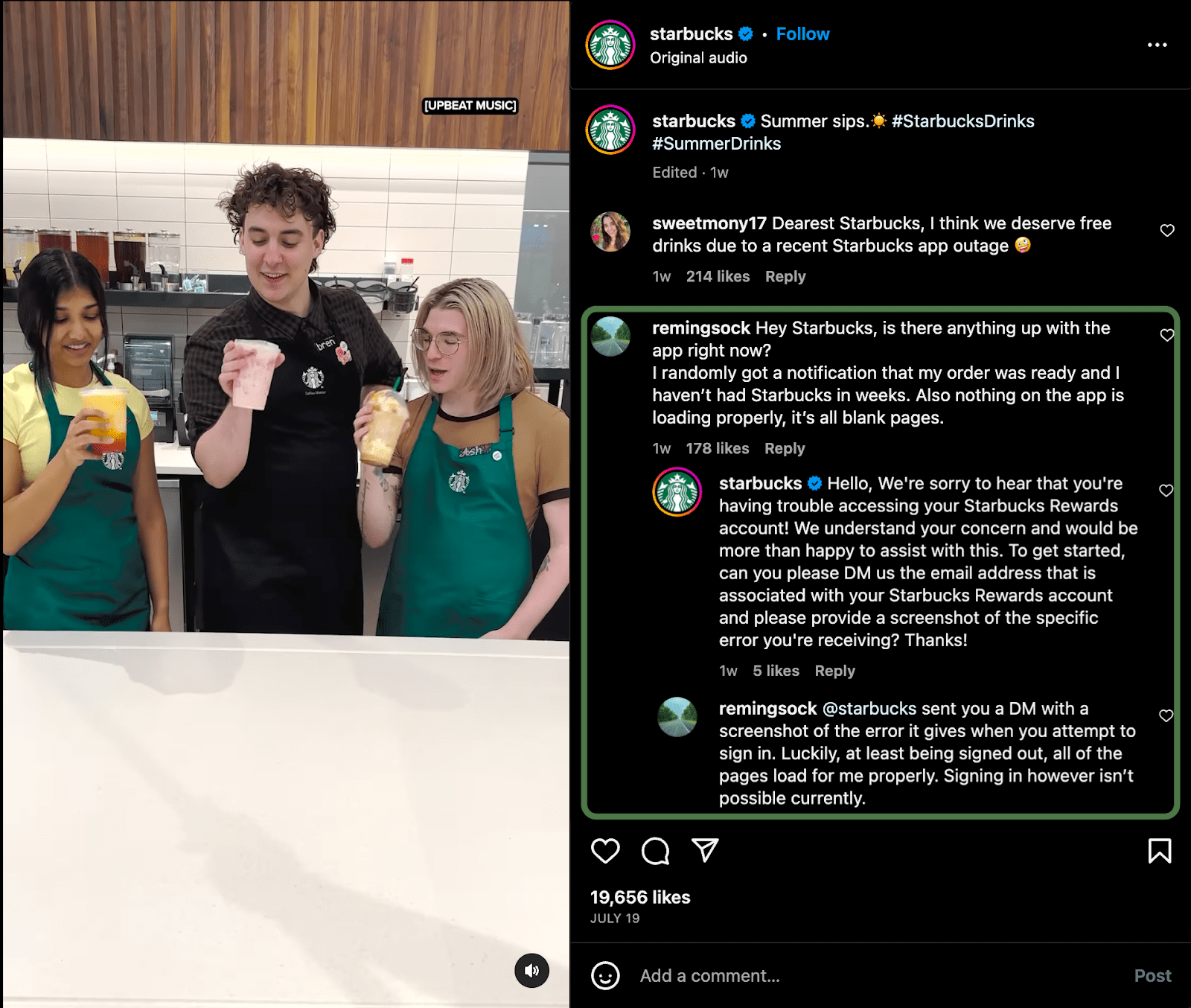
Starbucks Instagram post showing Starbucks actively listening to their customers
Empowering Your Brand for the Future
In a world where consumer trends are continually evolving, brands need to take bold steps to remain relevant and continue connecting with their audience. By adopting authentic storytelling, sustainability, influencer marketing, user-generated content, technological advancements, diversity, and social listening, you can create a powerful brand identity that resonates with today’s consumers.
Remember, relevance is not a one-time achievement but an ongoing journey. Stay open to change and embrace innovation as you continue to meet the evolving needs and expectations of your target audience. By keeping your brand fresh and engaging, you position yourself at the forefront of the consumer industry, ready to conquer new challenges and inspire lasting customer loyalty.
Implement These Strategies
So, why wait? Start implementing these strategies and watch your brand rise to new heights of relevance and success in the competitive market. If you need expert guidance or support, don’t hesitate to contact ELMNTL. Our team of experienced professionals is eager to help you navigate this exciting path of brand evolution. Let’s unlock the full potential of your brand together!
The post Embracing Change: 7 Ways Brands Can Adapt and Stay Relevant in the Digital Age first appeared on ELMNTL.
]]>The post Building a Strong Brand Identity: How Storytelling Enhances Customer Loyalty first appeared on ELMNTL.
]]>When your brand tells a story in its marketing strategies, it can benefit your business in myriad ways. Here are just a few critical benefits of storytelling as a marketing strategy.
Emotional Ties
One of the main points of storytelling in your marketing is creating emotional engagement with your brand’s voice and personality. When customers feel an emotional connection to your brand or product, they are likelier to stay loyal to you.
Nintendo uses nostalgia to create an emotional tie to its games by reminding adults that they can still have fun with Nintendo products at any age.
Memorability
When your customers think of your product or service, what do they think of? Is your marketing memorable or just the standard run-of-the-mill facts, figures, or product features? Remember, when you make your brand story distinctive, your customers are likelier to remember why they chose your brand over your competitors.
Trustworthiness
If you don’t have your customers’ trust, what do you have? Confidence in you and your brand identity is essential for customers to return. You will build trust and appear authentic and sincere by showcasing your brand’s values, ethics, and dedication to customers.
Since 1959, Barbie has shown girls they can be anything they dream of. The brand has empowered women for generations, creating trust through its inclusive marketing and products.
Be Unique
Your brand is different from your competitors, so show your customers that with the power of storytelling. By telling a compelling story, you share how your products and services stand apart from the crowd.
Awe Inspired employs a unique spin on marketing by using zodiac signs to connect customers to their jewelry. This inspires their customers to unleash their inner goddess and purchase jewelry based on their astrological sign.
Relationship Building
Think of your favorite story. Maybe a parent read it to you as a child, or perhaps it was a treasured high school book or movie. No matter where you heard or saw it, it likely still resonates with you, and you have a connection to that story that evokes an emotional response.
When your customer feels that connection through brand storytelling, they are likelier to stay loyal to you, just like you are to your favorite story.
The Power Of Word of Mouth
When a customer connects to your brand’s identity on an emotional level, they are more likely to refer friends and family to your business and become advocates for your brand. In fact, 64 percent of marketers believe that word-of-mouth marketing is the most effective type of marketing. All the more reason to create a compelling story!
Consistency Is Key
Regarding marketing, having a consistent brand voice across all channels is essential. This is no more true than it is with your brand storytelling. Your brand’s story is part of your brand identity. By remaining consistent, you are cementing your brand identity in the minds of your customers.
Customer Satisfaction
You can create a more compelling brand story when you understand your brand’s benefits and customers’ pain points. Including how your product can meet your customers’ needs in your storytelling can increase customer loyalty and satisfaction.
Apple is a brand that understands customer satisfaction, continuously updating its products with innovative features to precisely cater to their wants and needs.
Customer Retention
When customers stay emotionally tied to your brand, they are more likely to continue doing business with it and be repeat customers. Thus, keeping customers engaged with compelling storytelling will keep your product or service on their minds when making another purchase.
Flexibility
Just like any good story, there are often twists and turns to keep you engaged. The same holds true for storytelling in your marketing. Storytelling allows you to adapt your messaging to different audiences or market conditions but continue along the same visual and textual journey about your brand identity.
Dove is a brand that demonstrated flexibility in its messaging during Covid. The brand updated its Real Beauty campaign during the pandemic to “Courage Is Beautiful,” which showcased the faces of healthcare workers marked by their protective gear.
The End
Storytelling is essential to your marketing strategy by creating emotional connections with your customers that build trust and further cement your brand’s identity.
Storytelling helps set your brand apart from your competitors and creates loyalty among your customers, helping your business achieve its happily ever after.
For more information about how you can tell your brand’s story, don’t hesitate to contact our team of storytellers at ELMNTL today.
The post Building a Strong Brand Identity: How Storytelling Enhances Customer Loyalty first appeared on ELMNTL.
]]>The post Discover Your Brand Personality: Unveiling the Power of Brand Archetypes with Inspiring Examples first appeared on ELMNTL.
]]>Remember- when cultivating your brand personality, there are many options to consider. Consistency is an essential element of your brand personality. If you’re having trouble developing your brand’s personality, it can be helpful to consider your brand’s archetype.
What is a Brand Archetype?
An archetype is defined as a representation of your brand identity and personality. Below are the brand archetypes that can help guide you on your quest to develop your brand’s personality.
Developing Brand Archetypes
Though they are similar to brand voice and tone in that they all are part of your marketing personality, brand archetypes are a very specific personification type that every brand takes in their marketing. In order to determine your brand archetype, you’ll want to first determine your tone and voice. This will help you maintain your brand’s personality and better assist you in narrowing down which archetype to choose.
Here are the 12 archetypes by author Carol S. Pearson:
- The Caregiver
- The Creator
- The Idealist
- The Jester
- The Lover
- The Magician
- The Realist
- The Revolutionary
- The Ruler
- The Sage
- The Seeker
- The Warrior
As you can see, there are plenty of brand archetypes to choose from, but be sure your chosen archetype fits your brand’s personality. Here are some shining examples of brands with a consistent brand archetype for their marketing.
The Caregiver
Brand Example: Dove
Dove is a prime example of The Caregiver archetype, characterized by a brand personality that emphasizes care, nourishment, and promoting self-esteem. As a personal care brand, Dove is renowned for focusing on real beauty and promoting body positivity.
By embodying The Caregiver archetype, Dove has established itself as a brand that goes beyond conventional beauty standards and instead promotes a more caring and inclusive approach. Their emphasis on caring for individuals’ well-being and encouraging self-love has resonated with consumers seeking a brand that prioritizes not only their physical needs but also their emotional and mental well-being.
Dove’s Caregiver archetype emphasizes personal care
Creator
Brand Example: LEGO
For over 90 years, Lego bricks have been fun for people of all ages. The brand offers Lego sets for ages ranging from 18 months to 18+ years old. Lego bricks are available in kits or loose bricks that encourage creativity and imagination, making Lego the perfect example of the creator archetype.
In their marketing, Lego encourages creative play and guided experiences, allowing their customers to be the creators in their own lives.
Lego’s Creator archetype encourages creativity
The Idealist
Brand Example: TOMS
TOMS is a charity-focused brand that fits the idealist archetype with its desire to create a positive impact on the world. TOMS’s mission isn’t just to sell affordable, quality shoes and accessories. It also provides support to those in need through its “Wear TOMS. WEAR GOOD.” initiative.
With “Wear TOMS. WEAR GOOD,” TOMS help fund access to mental health resources for those in need in the communities that they support, including Black, Indigenous and People of Color, LGBTQ+, and Women & Girls.
TOMS’ marketing showcases the impact of the “Wear TOMS. WEAR GOOD.” program by featuring heartwarming stories from those who benefit from the program. Because of its mission, TOMS has earned a loyal following of consumers who support its values.
TOMS Idealist archetype focuses on charity and positive impact
Jester
Brand Example: M&M’s
The jester archetype is playful and fun, just like M&M’s. With its bright, cheerful colors and fun and humorous marketing, M&M’s brand personality doesn’t take itself too seriously.
Jesters are known for entertaining and bringing merriment to any situation, and M&M’s have positioned themselves as doing just that. Not only do they sell delicious candy that’s beloved worldwide, but M&M’s brand personality has positioned itself as the perfect treat to bring joy to any situation.
M&M’s Jester archetype is humorous and fun
Lover
Brand Example: Victoria’s Secret
When you think of the lover, Victoria’s Secret is the perfect example of this archetype. With its focus on romance, beauty, and emotional connection, the lingerie brand focuses on femininity and markets its products to women who want to feel sexy and confident.
With its recent push towards body positivity and size inclusivity, Victoria’s Secret aims to encourage women to not just dress for the loving gaze of others but to love themselves as they are.
Victoria’s Secret Lover archetype focuses on femininity and body positivity
The Magician
Brand Example: Disney
Do you believe in magic? Disney sure does, making them the perfect example of the magician archetype. With their fantastic storytelling full of magic, wonder, and imagination, Disney has been captivating audiences since 1923, earning them fans of all ages and cultures.
Disney is one of the most well-known brands in the world because of its ability to spark excitement and remind their audience of the power of their dreams and the power of magic.
Disney’s Magician archetype sparks the imagination with the power of storytelling
The Realist
Brand Example: FedEx
When you think of FedEx, you probably think of the timely delivery of your packages. Whether it’s the delivery of personal or professional materials, FedEx embodies the realist archetype. FedEx puts a heavy emphasis on reliability, practicality, and efficiency, delivering around the globe to businesses and individuals.
FedEx is a perfect realist with its matter-of-fact, no-nonsense shipping and logistics solutions. On a marketing level, this appeals to those businesses and individuals who value fast delivery and efficient services.
FedEx’s Realist archetype emphasizes reliability and efficiency
The Revolutionary
Brand Example: Tesla
Tesla is a great example of the revolutionary archetype, with its trailblazing designs that challenge the status quo. Since its inception, Tesla has rattled the automotive industry, disrupting traditional automotive norms with its quest for a more sustainable future.
Tesla’s progressive mission and innovative products have inspired many companies to emulate them with electric vehicles and clean energy solutions, spurring a revolution in sustainability and mainstreaming them for the average consumer.
Tesla’s Revolutionary archetype is disrupting traditional norms
Ruler
Brand Example: Rolex
Rolex is a brand known for its focus on prestige, luxury, and authority, making it the perfect example of the ruler archetype. When consumers think of Rolex products, they think of timeless elegance and superior craftsmanship. Rolex isn’t a brand for everyone. It’s associated with wealth and royalty, further cementing the ruler archetype as its brand personality.
Rolex isn’t just a watch. It’s a symbol of success, authority, and prestige, all characteristics we think of when we think of a ruler.
As a Ruler archetype, Rolex embodies prestige and luxury
Sage
Brand Example: Google
Google is a perfect example of the sage archetype. Google is known for being scholarly, wise, and educational. Google strives to help present the world’s information in a universally accessible format.
Using their own unique algorithm, Google’s results are relevant and accurate, helping users expand their knowledge. In addition to its main search engine, Google has other products that embody the sage archetype, including Google Scholar, Google Books, and Google News, all of which enhance its dominance in the search engine marketplace and secure its brand personality as the sage archetype.
Google’s Sage archetype provides helpful educational tips on social media
The Seeker
Brand Example: Airbnb
With a passion for travel and exploration, Airbnb is a prime example of the seeker archetype. The seeker desires new experiences and discovery. Airbnb encourages this by offering unique accommodation experiences that get their customers closer to authentic local experiences they might not otherwise experience in other accommodations.
As a seeker, Airbnb encourages wanderlust and self-discovery through travel and exploration. Airbnb’s marketing reflects its passion for exploration by featuring unique accommodations and experiences.
Airbnb’s Seeker archetype promotes a passion for travel and exploration
The Warrior
Brand Example: Under Armour
Under Armour represents the warrior archetype because it embodies strength, resilience, and a relentless pursuit of victory. Under Armour is known around the world for its high-performance athletic gear designed to empower athletes to push themselves further and achieve peak performance.
Whether a professional athlete or a fitness enthusiast, Under Armour has positioned itself as an accessible brand that helps users achieve greatness. Thus, their marketing and products resonate with consumers seeking to embrace their inner warrior through athleticism.
Under Armour’s Warrior archetype evokes strength and resilience
In Conclusion
Whether your brand is an explorer like GoPro or a sage like Google, uncovering your brand’s archetype is an excellent way to secure your brand personality. By sticking to your designated archetype, consumers will know what your brand stands for and what to expect from your marketing.
For more information about how we can help you cultivate your brand personality and archetype, please reach out to the branding experts at ELMNTL today.
The post Discover Your Brand Personality: Unveiling the Power of Brand Archetypes with Inspiring Examples first appeared on ELMNTL.
]]>The post Creating a Brand Personality: How to Develop a Consistent Personality for Your Brand first appeared on ELMNTL.
]]>To effectively market your brand or product, there are several essential questions you need to ask yourself. Questions like ‘Who is your target audience’ and ‘What marketing channels will you use to reach that audience.’ But before marketing your brand, you need to find your brand personality.
What is a Brand Personality
Your brand’s personality defines how your brand addresses the world and how the world perceives your brand. A consistent brand personality is important because it tells your audience who you are and what they can expect from you. Whether your voice is mature and serious or wild and playful, your audience will get to know your brand through its personality, helping you attract the right audience’s attention.
A brand personality is the personification of your brand. When marketing that brand to your audience, it is the voice and personality you give to your brand. While your brand is not a real person, think about who it would be if it were. Maybe it’s an avid outdoor enthusiast who likes to take risks or a sly prankster who infuses every post with humor. Whatever personality you choose, remember that you’ll need to stay consistent with that voice for it to resonate with your audience honestly.
The best way to create a brand personality is by getting organized and creating a brand guide.
A brand guide contains all the elements of your brand’s personality, down to the font you use in your emails and website.
At ELMNTL, our branding experts can assist you in developing your brand strategy. Our marketing team has helped cultivate a successful brand identity for everything from boutique hotels to ASEAN, Association of Southeast Asian Nations. We can create a brand guide for your business that covers all the necessary elements of a stellar brand personality.

Branding elements created for the ASEAN, Association of Southeast Asian Nations
So, why create a consistent brand personality? There can be many benefits to finding your brand’s persona. One significant advantage is that your audience will know what to expect from your marketing, and when you find the right audience, they’ll be more likely to stick around for more. Furthermore, your audience will be more likely to engage with your marketing if your brand’s personality resonates with them.
Higher engagement means customers are more likely to spend money on your products and services. Studies have shown that when customers are engaged with your brand, they spend between 20 and 40 percent more on average!
Understanding Your Target Audience
When creating a brand personality, not putting the cart before the horse is essential. The first step you need to take when defining your brand personality is to understand your target audience. After all, if you use the wrong personality with your audience, it won’t matter how consistent that personality is because it won’t resonate with the right demographic.
So, how do you find your target audience? The best way to do this is by conducting market research.
Conducting Market Research
Market research can involve anything from analyzing competitors’ followers to looking at data from your current customers. Market research can reveal a host of important data, including income, age, gender, and interests of your target demographic. This can help you craft your brand’s personality to better align with your target audience.
Once you have an idea of your target audience, it’s time to create a buyer persona.
Creating Buyer Personas
A buyer persona is a general picture of the person you target with your marketing efforts. For example, you could sell pacifiers. Your buyer persona might be a first-time mother between the ages of 22-38 who makes between $30,000 to $50,000 per year. Perhaps she has a fun, snarky personality and isn’t afraid to laugh when her toddler gets into the diaper cream and does a little redecorating. Once you’ve figured out who she is, your brand personality can mirror hers by injecting a little humor into parenting.
Defining Your Brand Identity
Mission & Values
In addition to having a consistent brand personality, your brand should have a clearly stated mission and values. This is known as your brand identity.
Say your pacifier business aims to create an environmentally friendly product that doesn’t cause damage to babies’ erupting teeth. Your task is to protect those tiny teeth, while your values are putting safety and environmental health first. Thus, your brand’s identity is one of safety and concern, both of which are reflected in your brand’s mission and values. Once you have your mission and values, you can focus on your USP.
Unique Selling Proposition
Your unique selling proposition (USP) sets you apart from your competitors. Why is your product special? For example, your product is different from other pacifiers because of its ergonomic design and the fact that it’s made from recycled materials. This would be your USP. To determine your own USP, ask yourself the following questions:
- Who is your customer?
- What are your customer’s motivations?
- Why do customers choose your product over your competitors?
Once you have determined your USP, you can focus on defining your brand’s voice and tone.
Brand Voice & Tone
Your brand voice and tone are part of your brand’s identity. It is how you communicate your message to the world. Like your brand identity, your brand voice and tone should be consistent across all marketing channels, including social media, advertising, and other marketing communications.
Whether your tone is serious and professional or informative but witty, make sure all your communications are in this consistent tone of voice. Brand identity can also include the colors and logo you use because these can also convey the feelings you are trying to evoke in your customers.
- The Caregiver
- The Creator
- The Explorer
- The Idealist
- The Jester
- The Lover
- The Magician
- The Realist
- The Revolutionary
- The Ruler
- The Sage
- The Seeker
- The Warrior
Thus, while your voice is your perspective on the world, your archetype is your greater purpose. For a business, think about how you want to be perceived. Is your product a hero product? Is it a caregiver?
Consistency Across Brand Touchpoints
When it comes to your marketing, consistency is vital. This means you should maintain the same brand personality across all channels.
Logo & Visual Identity
Your brand’s logo and visual identity encompass everything from your font to your color palette to your logo.
McDonald’s has an easily recognizable logo, font, and color palette that is recognizable around the world. Using bright, cheerful colors that have been shown to stimulate the appetite, consumers look to McDonald’s for fun, fast service, and affordable prices. Using the same logo, colors, and fonts across all of their marketing channels lets you know it’s McDonald’s without even needing to read the messaging.
McDonald’s visual branding is identifiable without even seeing their name
Website Design & User Experience
Your website matters more than you may realize. It should include a bold, easy-to-find call to action (CTA), easily navigable menus, and your logo and visual identity. It should also provide an excellent user experience (UX).
User experience includes everything mentioned above, as well as accessibility to all. This includes persons with disabilities such as visual impairments who may need special software to interact with your site. Your site’s UX should allow everyone to enjoy without impediment.
Social Media Presence
Social media presence is a must in today’s day and age. With over 8 billion people worldwide, it is estimated that 4.9 billion people use social media. Thus, if you’re not on social media, you’re missing out on potential followers and customers.
But it’s not enough to be on social media. You also need to post frequently and use your brand personality and voice in your posts. This means that if you take a snarky tone, you should use it in most all of your posts.
Wendy’s is an excellent example of a consistent brand personality. They often get a little risque with their Twitter posts, sometimes picking playful battles with other fast-food establishments. Their social media fans stay tuned in to see what the brand comes up with next and always know what tone and voice to expect from them.
Play the full clip https://t.co/poYzfY4eVl
— Wendy’s (@Wendys) April 12, 2023
Wendy’s brand personality is known for starting “beef” with other brands on social media
Advertising & Marketing Campaigns
Like social media, your advertising and marketing campaigns should be consistent with your personality. Always use your branding, including fonts, logos, colors, and your brand voice. ELMNTL client, Bank of Hope, uses a serious but informative tone and a signature palette of specific shades of green that let customers know they can rely on Bank of Hope for valuable information and brand consistency.
Engaging With Your Audience
The first step to engaging with your audience is to create relatable content. With Bank of Hope, their content is informative but still understandable to the average consumer. Their posts often break down financial terms, summarize timely and valuable financial articles, and explain their banking products and services in more significant (yet easier to understand) detail.
Bank of Hope’s social media posts provide informative and understandable financial information
Using Storytelling Techniques
Once upon a time (see what I did there), storytelling was a way to communicate history, values, and imagination. Today, nothing has changed, and that includes marketing. Your brand’s story is an integral part of your brand personality.
How did you decide to solve the pain point you are solving? Returning to the pacifier example, maybe you noticed your child’s teeth growing crooked and wanted to spare other parents from facing the same problem. Using storytelling to convey and continue that story with your marketing strategy helps keep your brand personality consistent and invites your audience to come along for the ride.
Furthermore, telling a story with your social media posts, emails, and on your website captivates your customer’s attention. This will increase engagement, conversions, and even sales.
Incorporating User Generated Content (UGC)
User-generated content, or UGC, is photos, videos, and testimonials from current customers. User-generated content shows real people using your product or service and helps to show other potential customers that the product or service works. Choose UGC that matches your brand’s personality.
For example, say your social media account shares romantic imagery and unique wedding decor ideas like ELMNTL client Flowerfield Celebrations. If you see that one of your customers has shared a photo of your product, service, or venue on social media or they have directly emailed suitable photos to you, share those photos with your audience (and remember to credit the photographer).
According to Search Logistics, 79% of consumers trust UGC content when purchasing, so don’t discount this medium when developing your social media strategy.
Flowerfield Celebrations shares beautiful UGC photos from guests’ events at the venue
Building A Community Through Social Media
It takes a village, as they say, and when it comes to social media, building a solid community of loyal followers is today’s digital version of that village. When you build a community, your users can help each other with product recommendations and real-life testimonials and even answer questions from other community members. Users will be able to rely on the community and will continue to engage with you through that community. An example would be creating a Facebook group for fans of your product or even the comment section of your social media posts.
Monitoring & Adapting
Once you have developed your brand personality and have put it into practice, you’ll want to monitor your progress and see if that personality resonates with your audience.
The first way to do this is by tracking your brand sentiment through brand sentiment analysis.
Brand sentiment is how your customers feel about your product or service. Brand sentiment analysis can be done by reading reviews, compiling survey answers, and watching social media to see how customers perceive your brand. However, this can be a tedious and time-consuming endeavor, so leaving this type of research to your marketing team can save you time while delivering more accurate results.
Once you know how the public perceives your brand, you can use that information to make necessary adjustments. Whether you need to change your brand’s personality or correct an issue with your product or service itself can all be determined by brand sentiment analysis.
Brand sentiment analysis goes hand in hand with customer feedback. Remember, don’t get defensive about bad feedback. Use it as motivation to make your service or product better. For example, if you run a restaurant and a customer leaves a bad review stating that service was slow, reach out to that customer on the same forum and apologize. This will show other customers you care and encourage them to patronize your business. Then, put your money where your mouth is, and attempt to correct the problem by addressing it with your staff so it doesn’t happen again. This will maintain your brand personality’s consistency by showcasing your dedication to customer service.
In Conclusion
Remember, developing a consistent brand personality is imperative when promoting your business. Consumers want to know who you are and what you stand for, and the best way to show them is to be consistent with your brand by maintaining the same brand voice, colors, logos, and overall personality.
Now that you know the importance of a consistent brand personality, it’s time for action. Don’t get overwhelmed by the details. The branding experts at ELMNTL are here to help. Whether you already have some elements of your brand personality in place or you’re just beginning to build that brand, we can help. Reach out to ELMNTL today for more information.
The post Creating a Brand Personality: How to Develop a Consistent Personality for Your Brand first appeared on ELMNTL.
]]>The post Creating a Strong Brand Voice: How to Stand Out in a Crowded Market first appeared on ELMNTL.
]]>How do you stand out in a crowded market? How do you show it? The answer to that question is what will set you apart from your competition and help you earn fans, followers, and customers: it’s your brand voice.
What Is A Brand Voice?
Before you can determine how to create a strong brand voice for your business, you need to know precisely what a brand voice is. A brand voice is many elements rolled into one ‘persona’ for your business. Brand voice encompasses your tone (cheeky, serious, etc.) and your visual style, e.g., what you hope to showcase on social media (photos, infographics, text).
Now that you know your brand voice, how do you strengthen it to make a lasting impression on your audience?
Steps To Strengthen Your Brand Voice
Know Your Audience
Knowing your target audience is the first step to building your brand voice. Conduct market research, or peruse data from your current customer base, including their interests, pain points, age, and other preferences. After all, you can only market to them if you know who they are and what they’ll respond to.
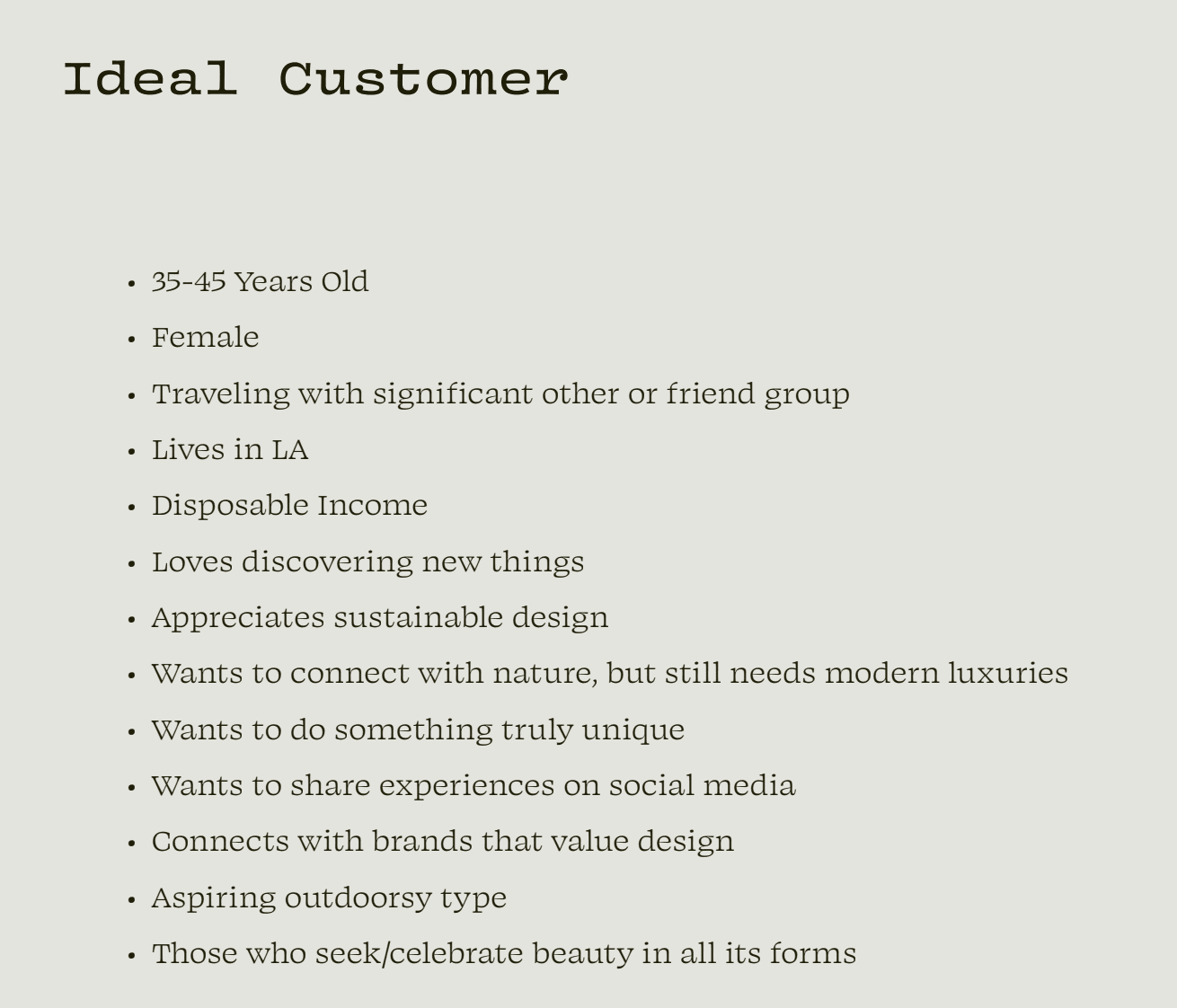
Example ideal customer showing the target audience
Once you know this information, you can move on to the next step.
Make It Official
Once you know your target audience, it’s time to define your brand’s personality. Remember, this is the part where you determine how your brand speaks to its audience. Whether you are serious and authoritative or more fun and whimsical, now is the time to decide. Once you choose, you’ll want to stick with that voice, so make sure it’s the right one.
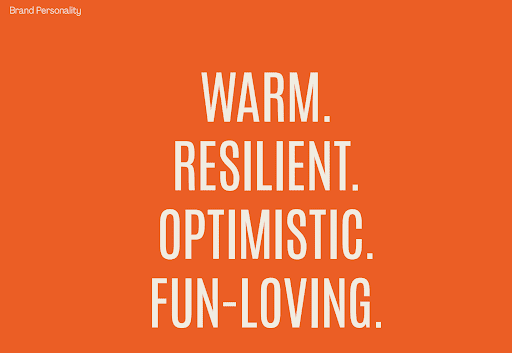
Example brand personality
Get A Guiding Light
If you haven’t already, now is the time for you to develop your brand guide. A brand guide is a document that houses all the pertinent information about your brand and its voice, including fonts, logos, colors, and of course, your voice. This guide will serve as the guidelines for anyone working on your brand and is handy for use in many applications, not just marketing. For expert help creating your brand guide, visit our blog or contact our branding experts for more information.
Example elements from a brand guide
Keep It Consistent
When customers ask you for help, they want to know who they’re talking to. That’s why it’s essential to pick a voice and stick with it. After all, it’s confusing if your email marketing is silly and fun, but your social media posts are serious. Consistency helps cultivate trust with your customers and is easier for your marketing team to maintain.
Show and Tell
Your brand is unique, and you should be bold in sharing why. This is why you want to tell your story to your customers. Sharing your story can include your reason for doing what you do, your values, and what makes you different from every brand vying for your customers’ business.
Also, be sure to put some thought into your content. Ensure you use high-quality photography that truly showcases your business or product. Your brand guide should establish photography guidelines or a mood board. Consider using UGC (user-generated content) in addition to your own professionally shot photography.

Example photography style guidelines
Don’t Be A Stranger
Now that you have a voice in the marketplace, it’s time to use it. Don’t just show; talk to and engage with your audience regularly.
Social media can be a great tool for strengthening your brand. Regular engagement can not only prevent embarrassing problems that may come up, but it increases customer loyalty and engagement rates. You want your customers to interact with your content, so make sure it’s fun, and you respond, for better or worse.
Example social media post showing a brand engaging with fans
Now that your brand voice is nailed down, it’s time to test the waters and see what works. Completing some marketing testing can be helpful in these situations. Marketing testing is typically done with A/B testing and through regular reporting from your marketing team and customer feedback. If you notice something isn’t working, now is the time to fine-tune it.
Make your Brand Voice Shine
To truly stand out in the crowd, being consistent with your brand voice is the best way to engage customers and create a strong following. Customers want to know who they’re doing business with, and they want you to be responsive to their needs, whether through the problems solved by your product or through your communication with them on social media or other marketing channels.
If you need help with any aspect of your marketing communications, including making your brand shine, let the experts at ELMNTL help.
The post Creating a Strong Brand Voice: How to Stand Out in a Crowded Market first appeared on ELMNTL.
]]>The post The Role of Branding in Website Design: Creating an Irresistible Online Identity first appeared on ELMNTL.
]]>Let’s dive into the vital role of branding in website design. Get ready to discover how branding can transform your website into a magnetic force that attracts and engages your audience.
The Power of First Impressions
In the blink of an eye, visitors form their first impression of your website. Research shows that it takes a mere 50 milliseconds for users to form an opinion about your site. This is where branding plays a crucial role.
You can instantly communicate your brand’s personality and captivate your audience by incorporating consistent branding elements, such as colors, typography, and imagery. For inspiration, look no further than Airbnb’s website, which exudes a sense of wanderlust and adventure through its carefully chosen visuals and cohesive branding.
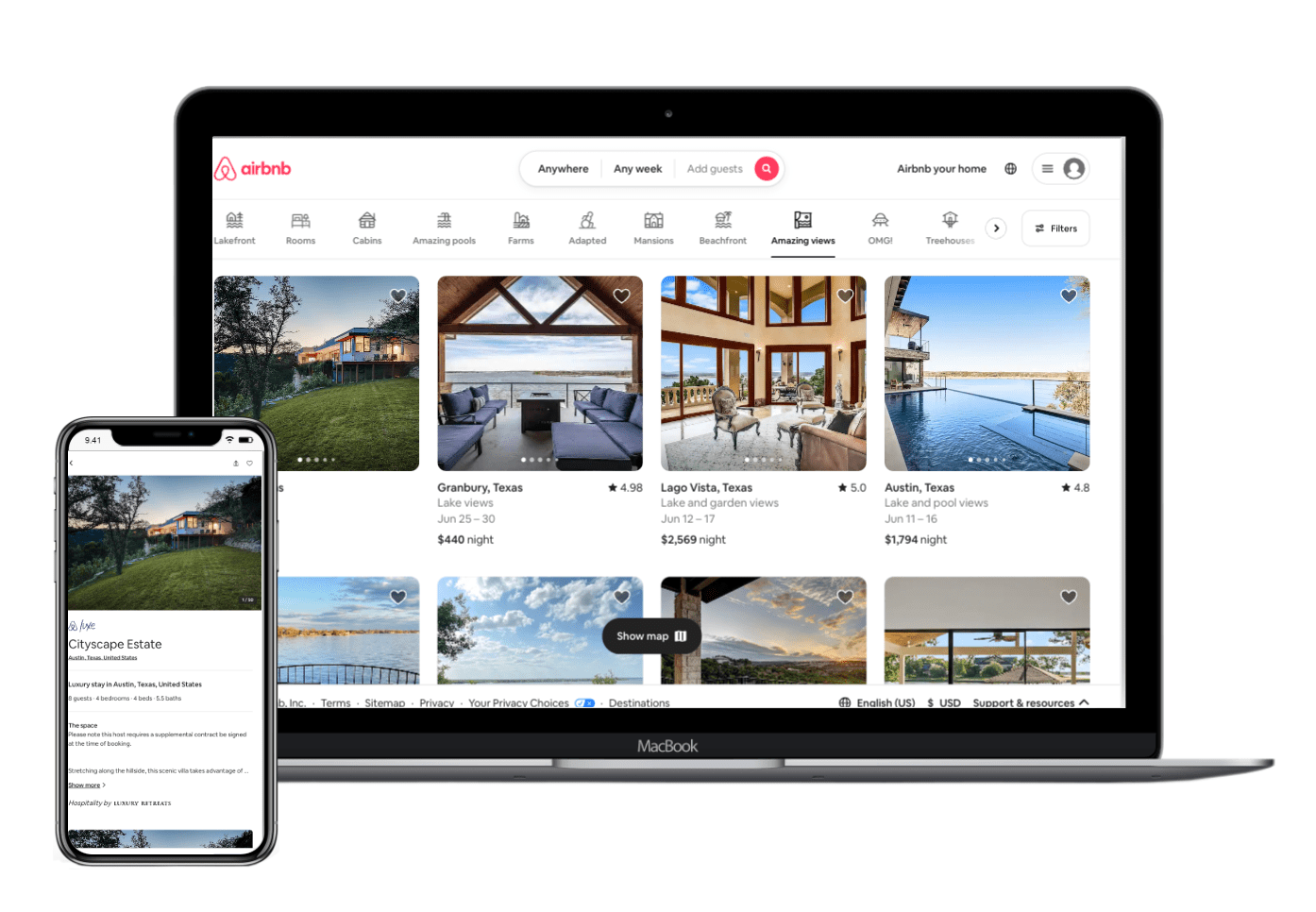
Airbnb’s website design leaves a lasting first impression
Establishing Trust and Credibility
In the vast digital landscape, trust is a precious commodity. When visitors land on your website, they need to feel confident in your brand’s credibility. According to studies, 75% of consumers judge a company’s credibility based on its website design.
Consistent branding, including your logo, visual identity, and messaging, plays a crucial role in building trust. A well-known example is Shopify, whose website design instills confidence in aspiring entrepreneurs, conveying a sense of professionalism and reliability.
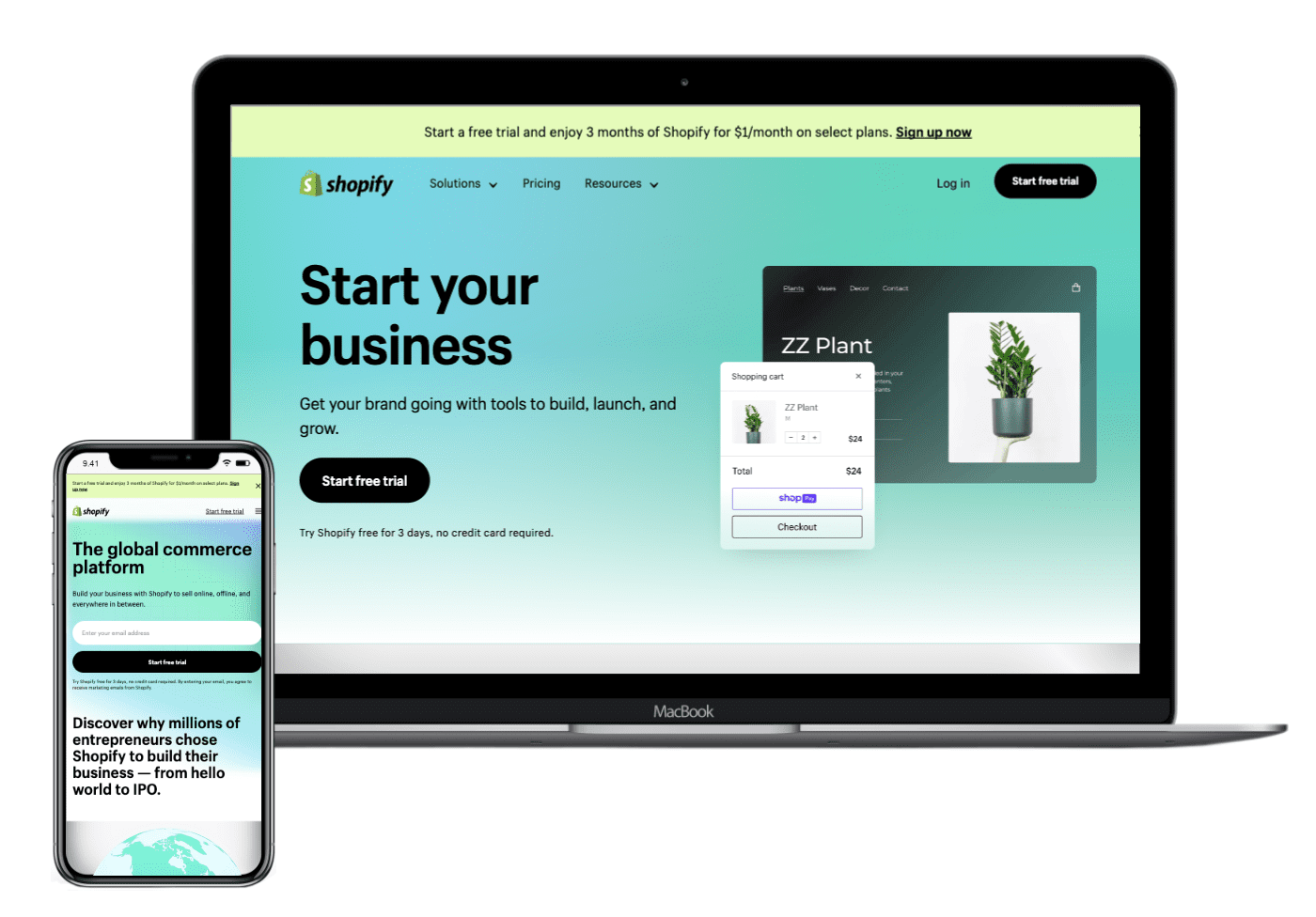
Shopify’s website design establishes trust and credibility
Enhancing User Experience (UX)
User experience (UX) is the secret sauce that keeps visitors engaged and coming back for more. A seamless and enjoyable user experience not only delights your audience but also encourages them to explore further. By aligning your website design with your brand’s values and identity, you can create a cohesive and intuitive journey for your users.
Take a cue from Spotify, which provides a personalized and immersive experience with its vibrant visuals and intuitive interface. This attention to branding in UX design ensures visitors keep grooving to the beats.
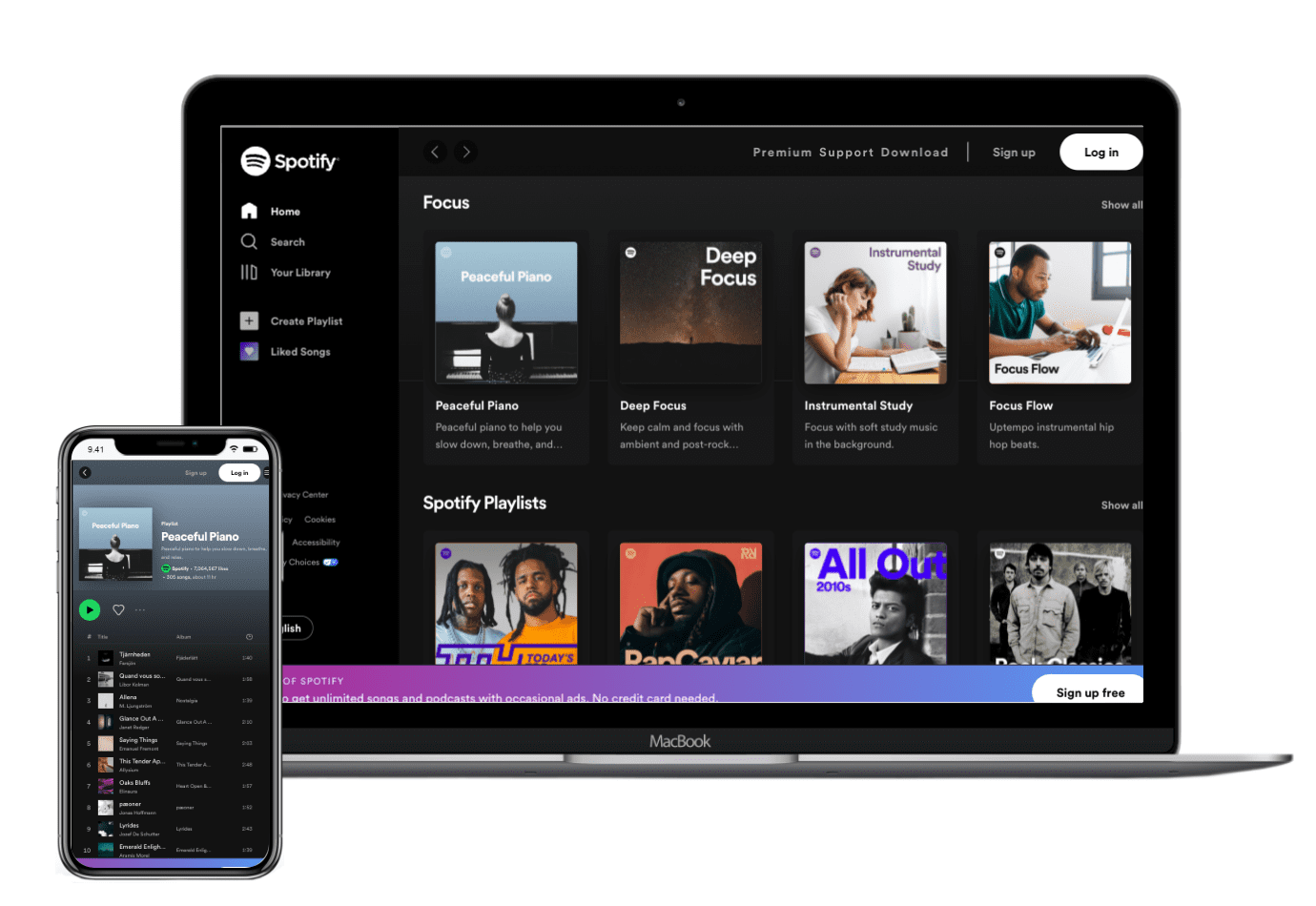
Spotify’s website design with an intuitive user experience
Driving Recognition and Recall
Branding is all about making a lasting impression and fostering recognition. Consistency in branding across your website and other touchpoints is vital for creating a memorable presence in the minds of your audience. Studies have shown that consistent brand presentation can increase revenue by up to 23%.
Consider the iconic swoosh of Nike or the golden arches of McDonald’s. These instantly recognizable branding elements demonstrate the power of consistent visual branding in achieving recognition and recall.
Successful Branding in Website Design
Let’s explore two notable brands that exemplify successful branding in website design:
Coca-Cola: Coca-Cola’s website design is a testament to the power of consistent branding. From the moment you land on their site, the vibrant red color, playful imagery, and joyful messaging evoke the brand’s essence. The website showcases the brand’s personality and creates an emotional connection with visitors, reinforcing Coca-Cola’s position as a global leader in beverages.
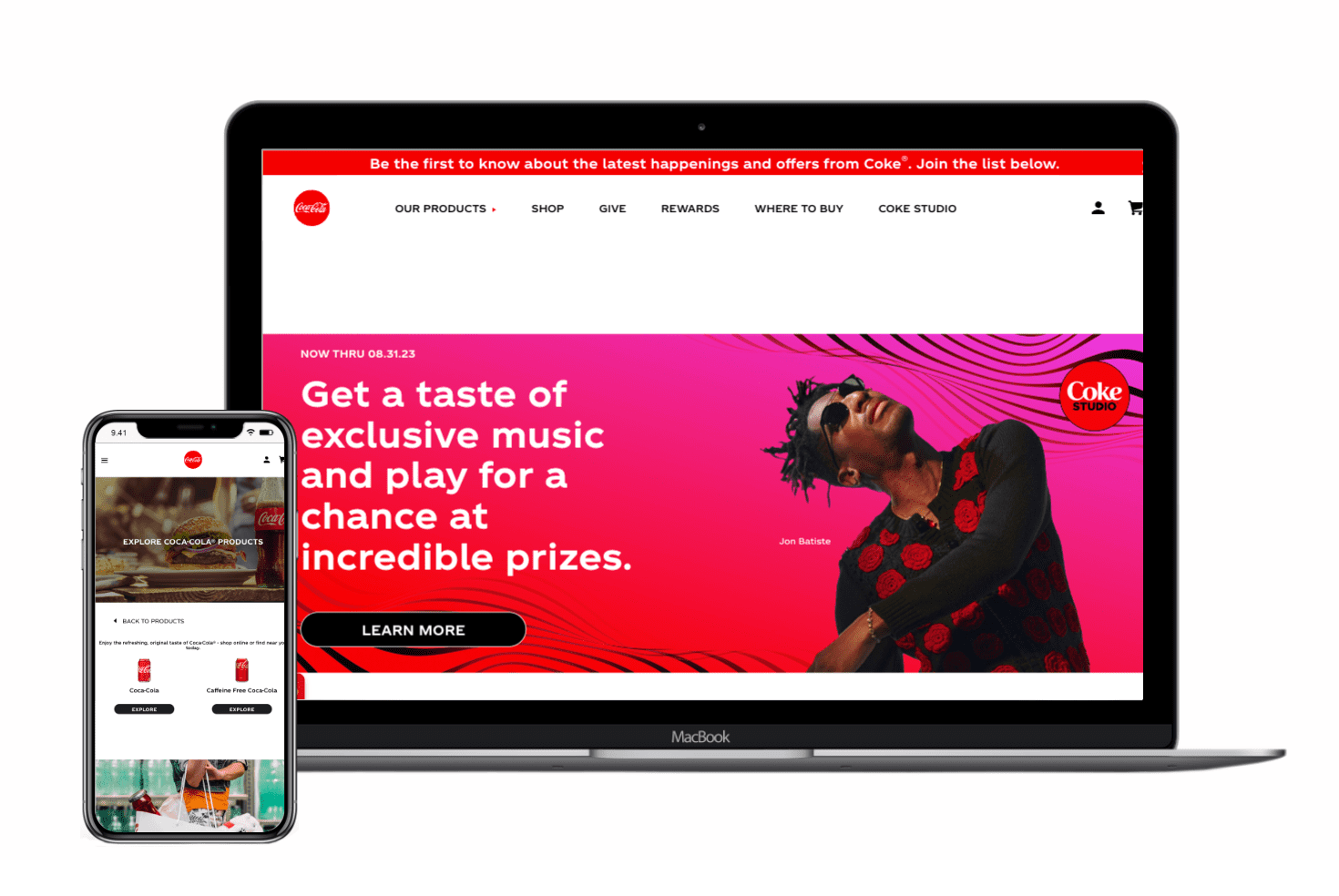
Coca-Cola’s website with consistent branding
Slack: Slack’s website design embodies its brand identity with a clever combination of visuals, colors, and playful copywriting. The site showcases the brand’s friendly and collaborative nature, instantly engaging visitors and conveying its value proposition. Through consistent branding, Slack establishes itself as a leading communication platform.
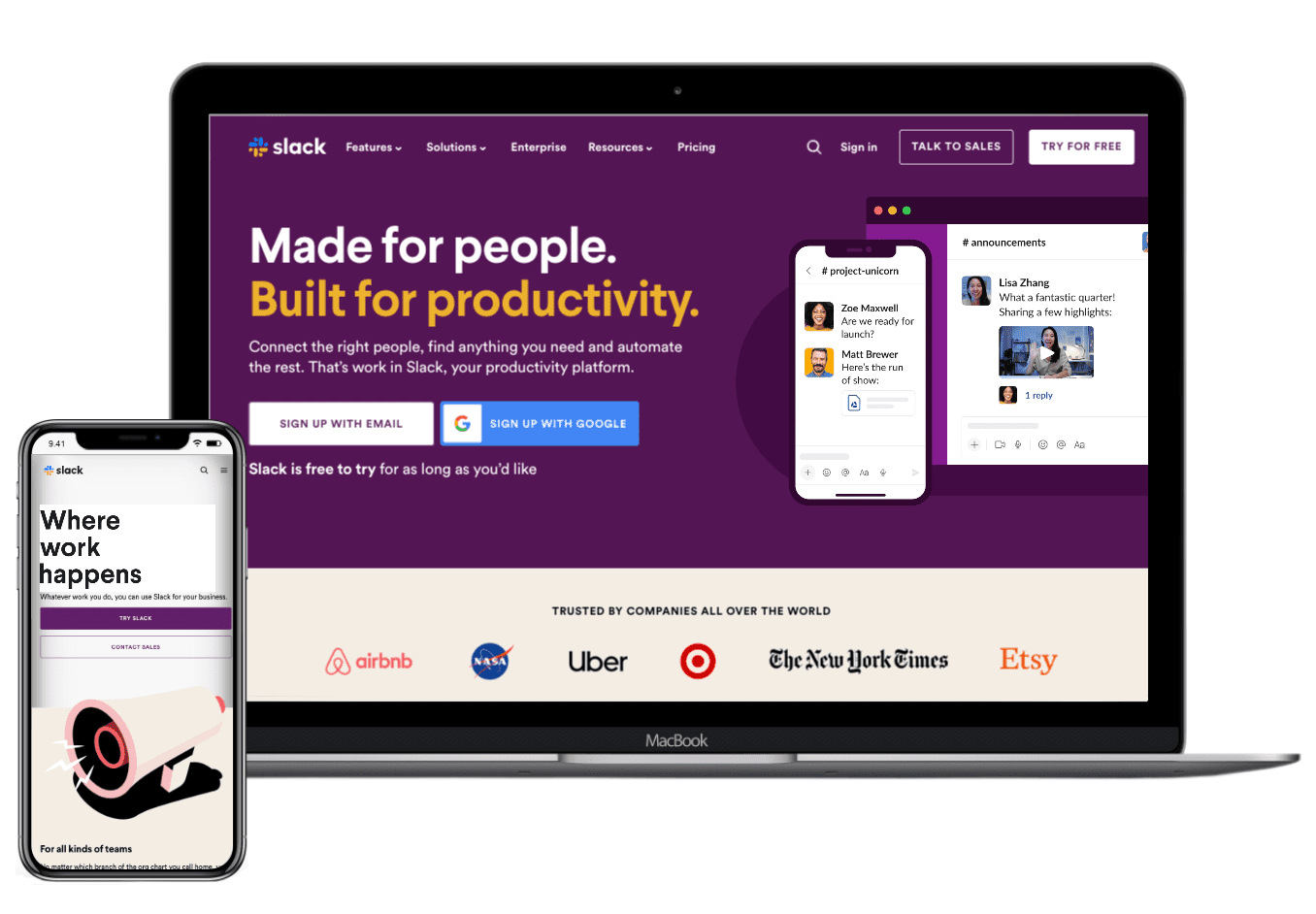
Slack’s website with consistent branding
Unlock Your Brand’s Potential
In conclusion, the role of branding in website design is undeniable. It shapes the first impression, builds trust, enhances user experience, and drives recognition. By leveraging consistent branding elements (think of a brand guide) throughout your website, you can create a captivating online identity that leaves a lasting impact on your audience.
If you’re ready to unlock the full potential of your brand’s online presence, ELMNTL is here to help. Contact us today and let our team of experts craft a visually stunning website that reflects your brand’s unique personality and drives success for your business. Together, we’ll create a digital masterpiece that sets you apart from the competition and leaves a lasting impression on your visitors.
The post The Role of Branding in Website Design: Creating an Irresistible Online Identity first appeared on ELMNTL.
]]>